
Some days feel smooth before they even begin. Small choices can make that happen more often.
1. Start With a Gentle Morning Page

A quiet morning page can feel like opening a window in a stuffy room. A blank notebook, a soft pen, and a few honest lines can clear the mental clutter before the day gets loud.
This habit works because it gives your thoughts a safe place to land. You can write worries, tasks, dreams, or even a tiny note about the weather, and that mix makes the page feel personal instead of stiff. Many people like using a low-cost notebook or a simple notes app, while others enjoy a pretty journal with colored tabs and stickers for a more cheerful look.
2. Pick Your Three Big Wins
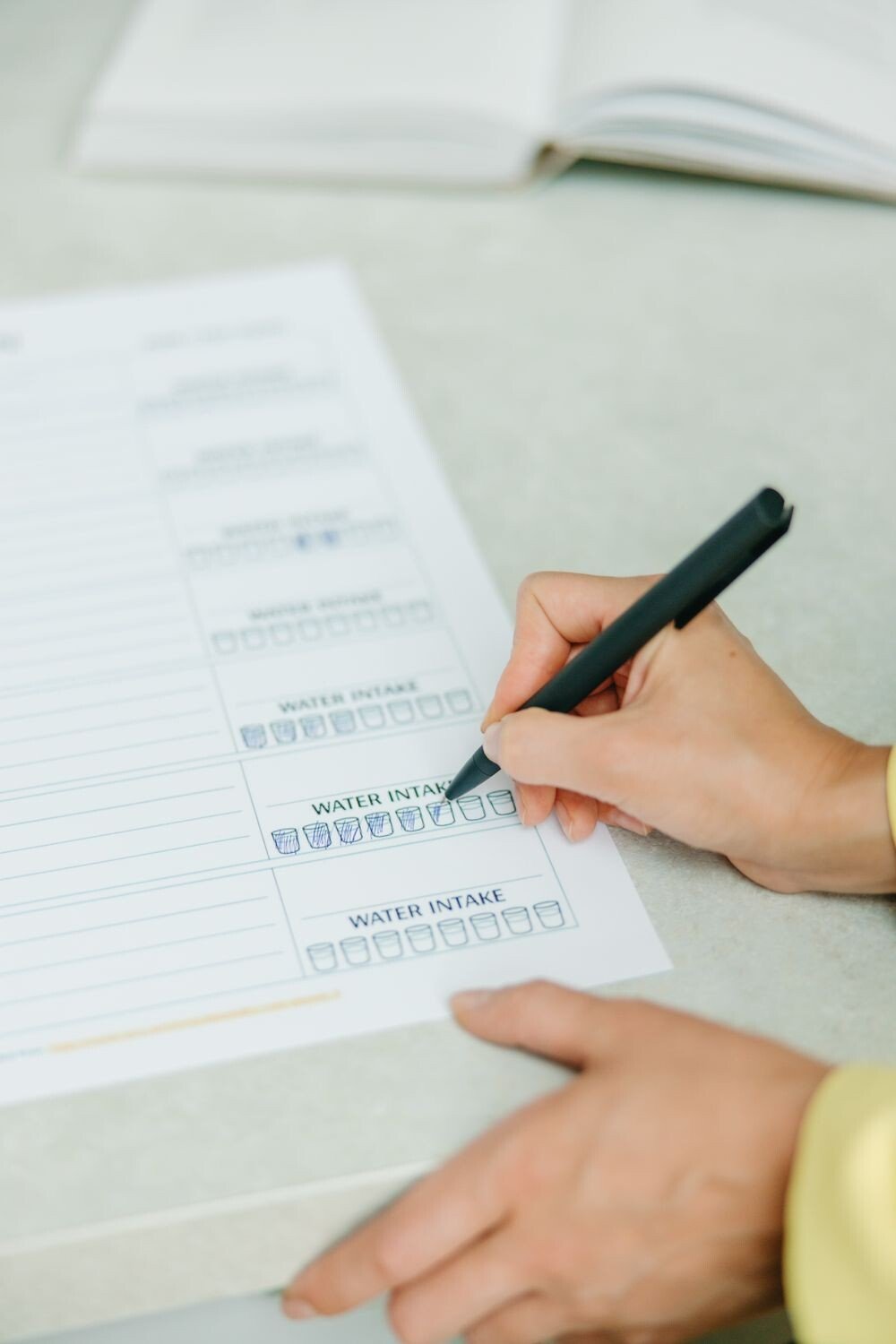
Choose the three things that matter most today and put them where you can see them. A sticky note on a bright desk, a phone screen widget, or a small card by the coffee mug can make the list hard to miss.
This habit keeps your day from getting crowded by tiny tasks that eat up time. It also feels unique because your three wins can change with your life, your energy, and your mood, so the plan fits you instead of forcing you into a fixed mold.
Try naming one work task, one home task, and one care task so your day feels balanced. If you like current planning trends, many people now use simple digital boards with color labels, but a paper list is still the cheapest and easiest choice. Keep the list short enough that it feels friendly, not heavy.
3. Build a Visual Time Block Map
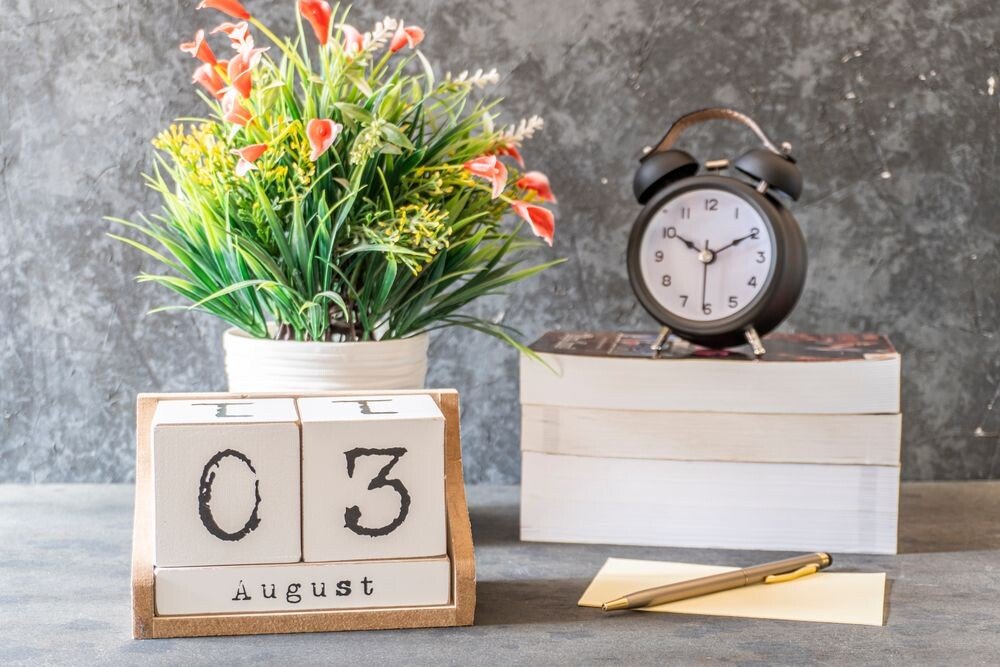
A time block map turns your day into neat, colorful chunks that are easy to read at a glance. It can look like a tidy grid on paper or a bright calendar on a screen, almost like a little city map for your hours.
This style helps you see where your time goes before it slips away. It is also great for people who like clear edges and clean lines, because the day feels less messy when each part has a job.
You can make it simple with pencil and highlighters, or use a free calendar app if you want no extra cost. Add your own twist by using colors for work, family, rest, and fun, since that makes the plan feel more like your life and less like a rule book.
If your days change a lot, leave a few open blocks so you do not feel boxed in. That small bit of space can lower stress and make the plan easier to follow.
4. Set Up a Night Before Reset
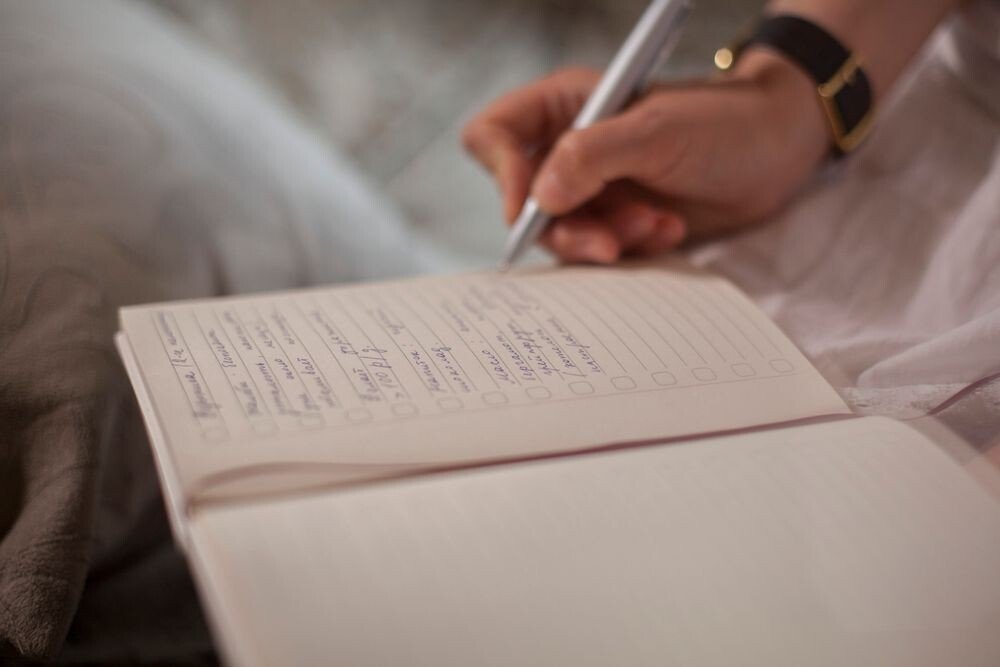
Before bed, spend a few calm minutes getting tomorrow ready. A clear desk, a filled water bottle, and clothes laid out like a neat little display can make the next morning feel lighter.
This habit saves energy because you do not have to make so many choices when you are sleepy. It also brings a cozy feeling of order, which many people find comforting after a busy day.
5. Keep a Tiny Joy List
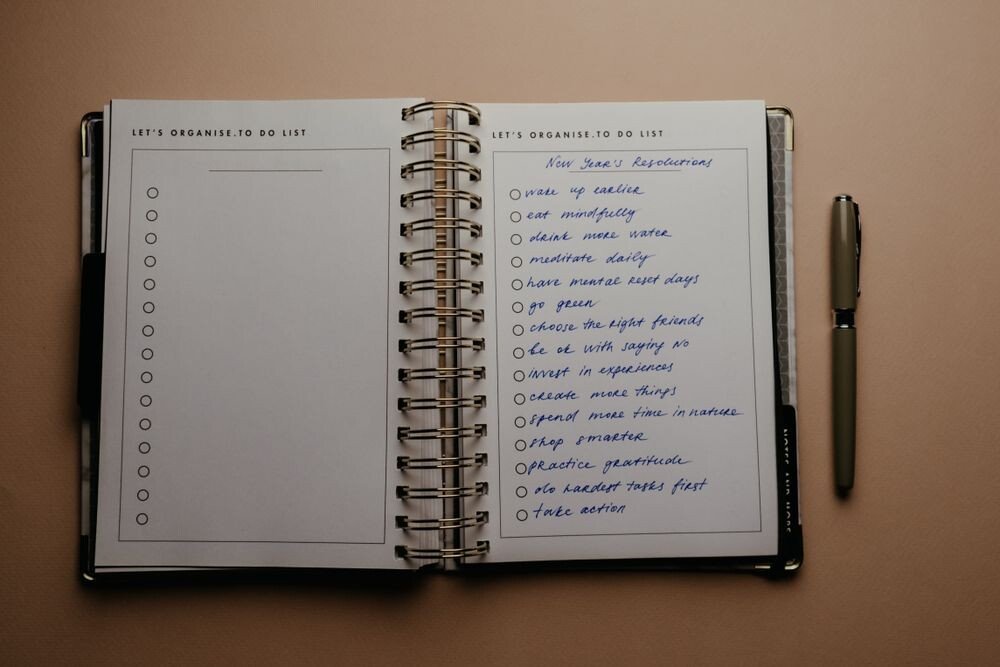
A tiny joy list is a sweet place for the small things that make life brighter. It might include warm tea, a favorite song, a sunny chair, or a few pages of a good book.
This habit is special because it reminds you that happiness often lives in simple moments. Writing the list in a pocket notebook, on a phone, or on a kitchen card costs almost nothing and can fit any style.
Try updating the list with the seasons, your hobbies, or the people you love. If you want a trend that feels fresh, some people now keep mood boards with photos and color swatches, but a plain list works just as well and is easier to keep up.
6. Use a Sunday Map for the Week

A Sunday map gives your week a friendly shape before it starts. Imagine a table with soft light, a mug nearby, and a planner open to a page full of calm blocks and small notes.
This habit helps you spot busy days, free days, and places where you may need rest. It also feels unique because you can plan around school runs, shift work, family time, or creative projects in a way that matches your real life.
Write down appointments, chores, meals, and fun plans so the week feels balanced from the start. If you want to keep costs low, use a simple wall calendar or a printable sheet instead of a fancy planner.
Many people like adding a theme for the week, such as tidy-up week or easy dinner week, because it gives the days a little story. That story can make planning feel more playful and less like a chore.
7. Match Tasks to Your Energy
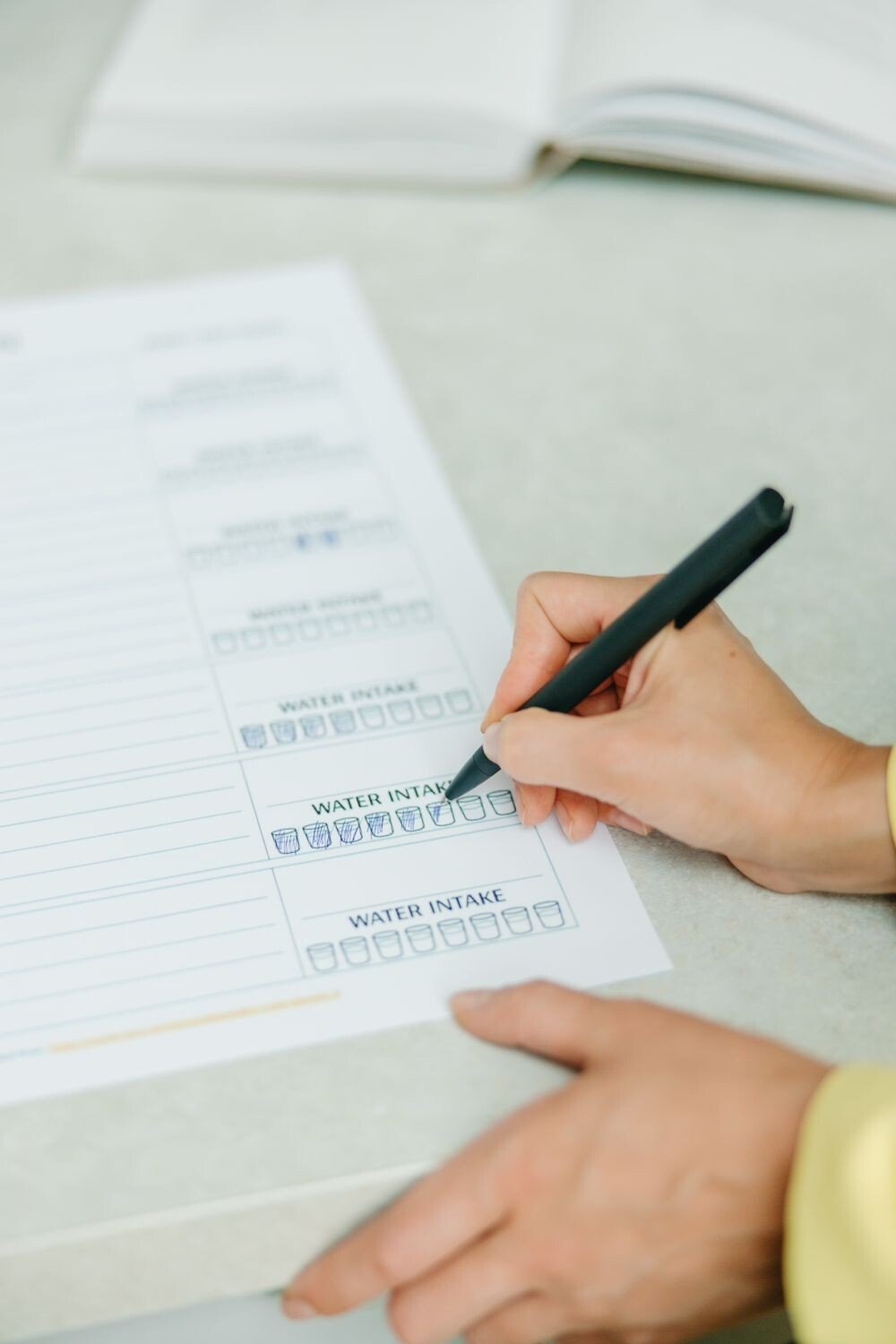
Not every task belongs in the same part of the day. A hard job may fit best when your mind feels sharp, while easy tasks can wait for the slower hours.
This habit can make your day smoother because you stop fighting your own rhythm. It is a kind way to plan, and it often leads to better results with less stress.
Notice when you feel awake, steady, sleepy, or creative, then place tasks in those windows. You can personalize this by using morning colors for focus work and softer colors for quiet chores, which makes the page feel more alive.
8. Make a Short Done List

A done list is the happy cousin of a to-do list. Instead of only staring at what is left, you also write down what you already finished, and that can look like a row of small wins on paper.
This habit builds confidence because it shows real progress, even on days that feel slow. It is especially useful for people who tend to forget all the things they handled before lunch.
Keep it easy by adding errands, emails, dishes, or even a walk around the block. If you like a modern touch, some apps now make automatic check marks and progress bars, but a simple notebook costs less and can feel more satisfying to hold.
You can make the done list more personal by adding one kind act or one brave moment from the day. That small detail can turn an ordinary page into a warm memory.
9. Protect a Calm Buffer Zone

Leave a little space between one thing and the next. A buffer zone can be a few extra minutes before leaving home, a blank spot after a meeting, or a quiet stretch before dinner.
This habit helps you breathe when plans shift, which they often do. It also keeps your schedule from feeling packed too tightly, like a suitcase that will not close.
Use buffers for rest, water, stretching, or a quick reset of your desk or bag. If you want a low-cost way to make it visible, draw open spaces on your planner so the gaps feel as important as the tasks.
Personalize the buffer to fit your day, because a parent, student, and remote worker may all need different kinds of breathing room. That flexibility is one reason this habit feels so kind and useful.
10. End With a Soft Check-In
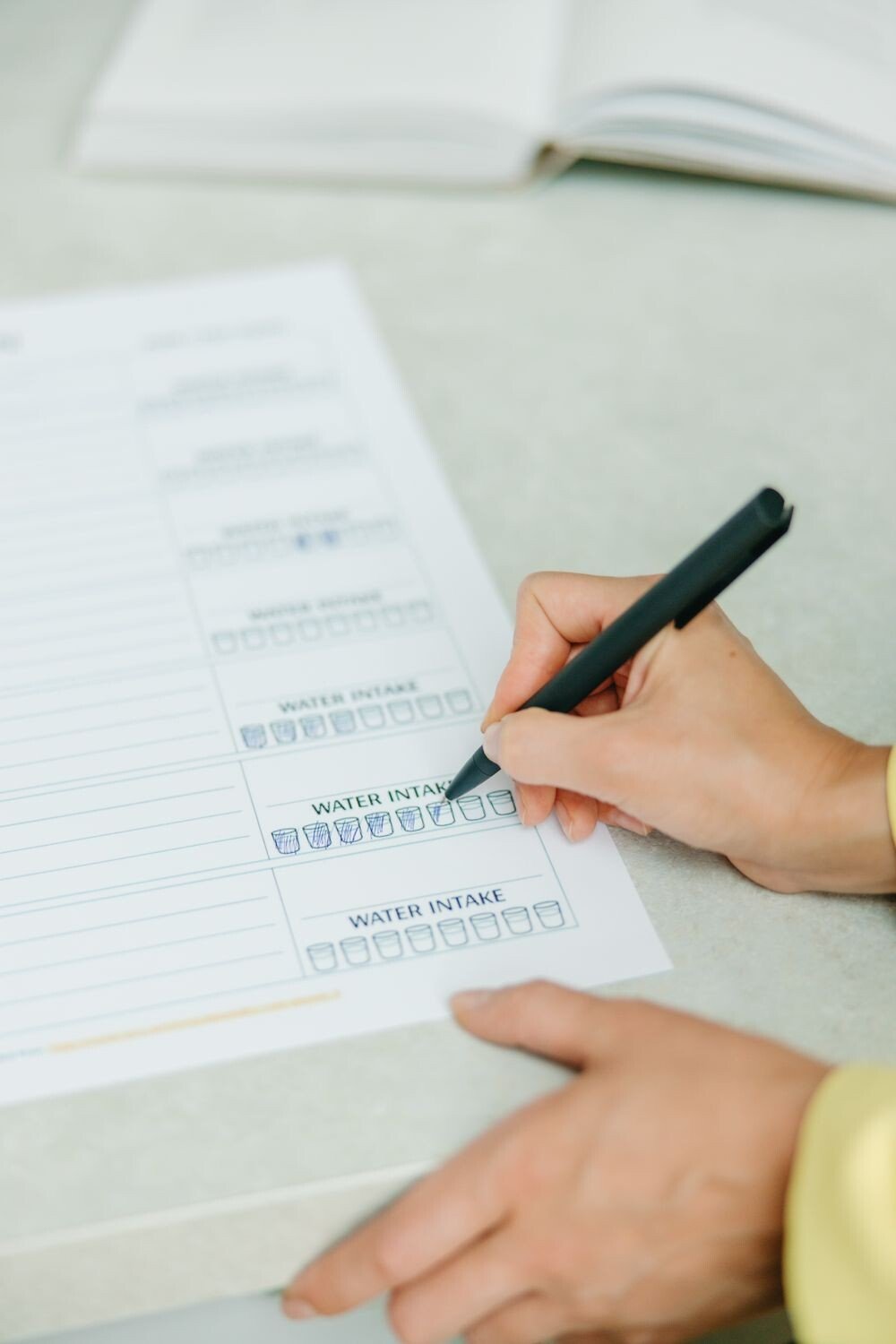
A soft check-in at the end of the day can feel like tucking the day into bed. Sit with a lamp, a notebook, or a quiet screen and ask yourself what went well, what felt hard, and what can wait until tomorrow.
This habit closes the day with care instead of rush. It can also help you sleep better because your mind does not have to keep spinning through unfinished thoughts.
Keep the check-in short so it stays easy to repeat, and make it your own with a few simple prompts or calming music. If you like current wellness trends, many people pair this with phone-free evenings or gentle screen limits, but a cup of tea and a pen can work just as well.
Write one thing you are grateful for, one thing you handled well, and one thing you want to carry forward. That tiny ritual can make tomorrow feel less scary and more ready for you.