
Money can feel calmer with a few small shifts. A fresh habit can make daily choices feel lighter.
1. Build a Money Check-In That Feels Like Self-Care

A weekly money check-in can look as simple as a quiet cup of tea, a notebook, and a phone with your banking app open. Many women like to do this at the kitchen table or on a sunny porch, so it feels warm instead of scary.
This habit helps you spot small leaks before they become big problems, and that can bring real peace of mind. Try the same day each week, then write down what came in, what went out, and what still needs attention. If you want it to feel more personal, use colored pens, a pretty folder, or a short playlist that helps you stay calm.
2. Create a No-Spend Day With a Twist

A no-spend day can be a fun reset, not a punishment. Picture a wallet staying closed while you enjoy a walk, a home-cooked meal, and things you already own.
This habit can help you notice how often money slips away on tiny extras. It also gives you a chance to enjoy what you already have, which can feel fresh in a world full of quick buys and online carts. To make it fit your life, choose one day that matches your schedule, and keep a list of free joys like reading, stretching, or calling a friend.
The best part is that it costs nothing and can be changed to suit your mood. Some women even pair it with a pantry meal or a closet outfit challenge, which adds a playful touch.
3. Start a Savings Jar for Real-Life Surprises
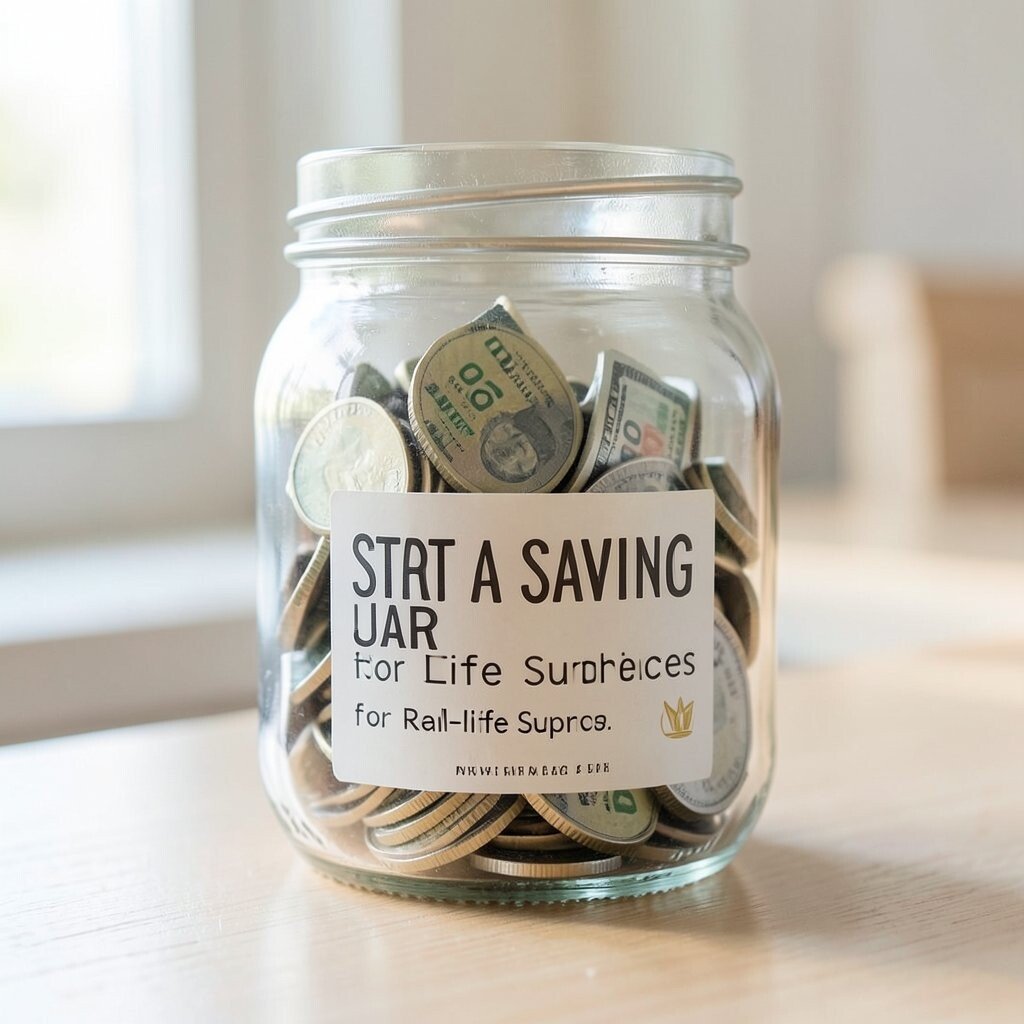
A small savings jar, or a separate savings account, can be a lovely sight because it shows progress in a way you can see. The jar on a shelf or the account balance on a screen can both remind you that small amounts matter.
This habit is useful for car repairs, gifts, home fixes, or a little breathing room when life gets busy. Even a few dollars at a time can build trust in yourself and lower stress. Pick a goal that feels true to your life, and name the jar so it feels more personal, like “peace fund” or “future joy.”
Automatic transfers make this even easier, and many banks offer them for free. If you like a trend that is both simple and smart, round-up savings tools can tuck away spare change without much effort.
Choose an amount that does not pinch your daily needs, because the habit should feel steady, not harsh.
4. Review Subscriptions With a Sharp Eye

Subscription charges can hide in plain sight, like little shadows on a bright screen. A quick look at your bank list can show you services you forgot you owned.
This habit can free up cash for things you care about more, such as a trip, a class, or a better emergency fund. It also helps you avoid paying for apps, streaming, or boxes that no longer fit your life. A simple tip is to sort subscriptions into keep, pause, and cancel, then decide based on real use instead of habit.
5. Give Your Spending a Style That Matches You

Your money plan should fit your life the way a favorite jacket fits your shoulders. Some women like a simple envelope system, while others prefer digital buckets or a single spending card.
This habit works best when it matches your real routines, not someone else’s idea of perfect. For example, a busy caregiver may need quick digital tools, while a homebody may enjoy cash envelopes in a neat box. Try a few styles and notice which one feels easy to keep, because the best system is the one you will actually use.
Personal touches help a lot, such as labels in bold ink, a folder with flowers, or a spreadsheet in colors you enjoy. New budgeting apps are popular now, but low-cost paper methods can work just as well and may feel less stressful.
When your money style matches your personality, it is easier to stay with it long term.
6. Make a Future Fund With Clear Purpose

A future fund can sit in a plain account or a bright folder, but the feeling behind it matters most. It is money saved for things that often come later, like home updates, travel, or medical needs.
This habit gives you more control and can keep you from using credit cards in a rush. It is also unique because you can divide it into parts with names that matter to you, such as “roof,” “joy trip,” or “care.” A good tip is to start with one purpose first, then add others after the first part begins to grow.
7. Shop With a List and a Plan

A list can be a tiny tool with a big effect. When your items are written down before you shop, your basket often stays smaller and more useful.
This habit saves money, cuts waste, and can make errands feel smoother. It also fits modern life well, since many stores and grocery apps now let you save lists on your phone. To make it personal, keep separate lists for home, gifts, and pantry restocks, so your shopping matches real needs.
Look at what you already have before buying more, and check for items on sale only if they truly belong on the list. A thoughtful list can turn shopping from a rushed habit into a calm and careful choice.
8. Learn One Investing Move at a Time

Investing can seem big and shiny, like a door with many locks, but it does not have to feel that way. A tiny first step, like learning a basic fund or reading your workplace plan, can open the door slowly.
This habit may help your money grow over time, which can matter a lot if you want more ease later. It is unique because it is less about fast wins and more about patient progress. Start with low-cost index funds or an employer match if you have access to one, and ask simple questions until the choices make sense.
Many women over forty like investing tools that are easy to read and low in fees, because clear charts and simple menus save time. You can even set a learning date each month so the habit stays light and manageable.
9. Protect Your Money With a Safety Tune-Up

Financial safety can look a lot like a tidy desk: clean, organized, and easy to manage. It includes passwords, account alerts, and careful checks on statements and credit reports.
This habit can save you from fraud, mistakes, and slow leaks that may go unnoticed. It also brings a strong sense of control, which is valuable in a world where so many tasks happen online. A useful tip is to turn on alerts for spending, logins, and transfers, then review them quickly when they arrive.
If you want to personalize this, keep a simple security checklist in your planner or on the fridge. The cost is usually low or free, but the peace of mind can be priceless.
Many people now use password managers and identity monitoring, and these tools can be worth the cost if you prefer extra help.
10. Plan for Joy Along With the Bills
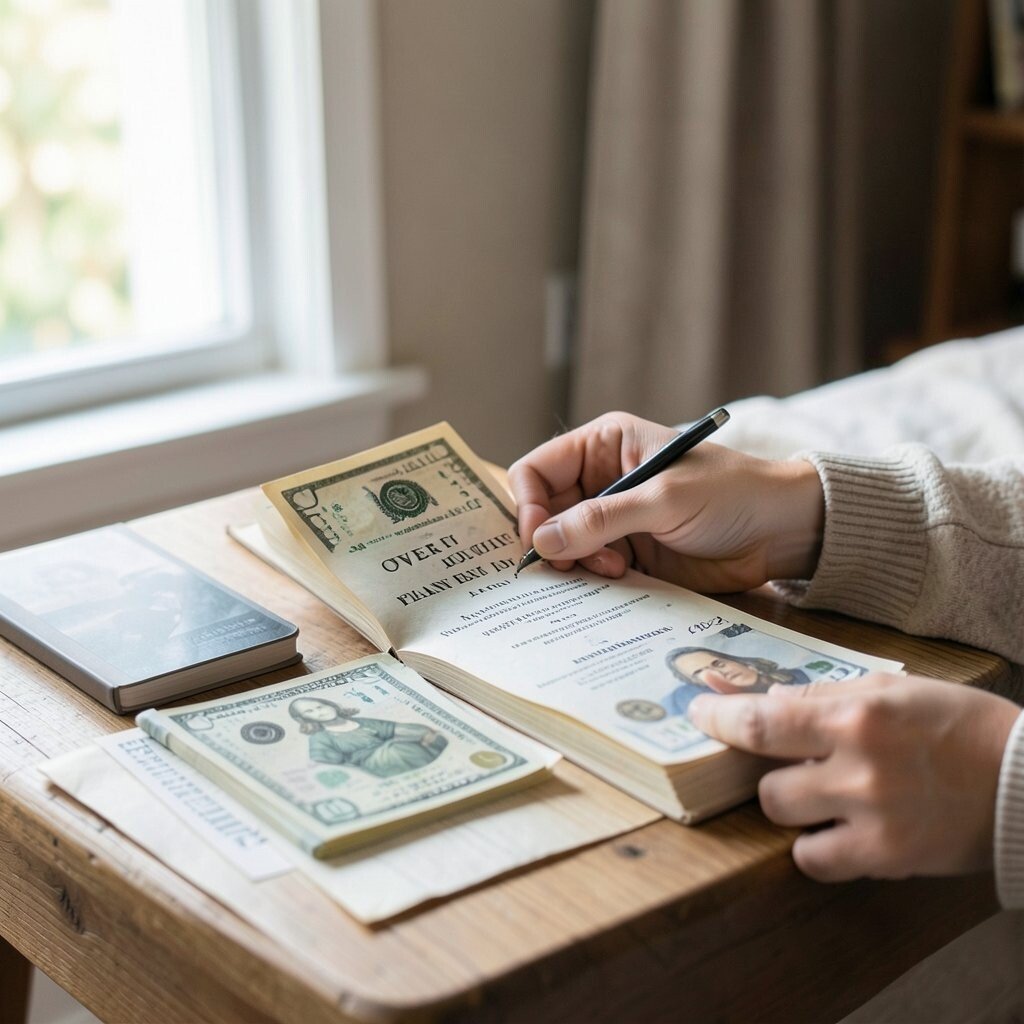
Money plans do not need to feel gray. A small joy fund can bring color into the month with a dinner out, fresh flowers, a museum visit, or a class that makes you smile.
This habit matters because it keeps your budget from feeling strict all the time. It also helps you spend on what truly lifts your spirit, which can make you less likely to grab random treats later. Try naming the fund for the kind of joy you want, and set a low, comfortable amount that will not strain your needs.
Some women use this for travel, hobbies, or time with friends, which turns saving into something bright and hopeful. A little planned fun can make the rest of your money habits easier to keep.