
Fresh spaces can change how a day feels. Small habits can make that change stay.
1. Clear One Surface First
Start with one table, shelf, or counter that you see all the time. A clean surface looks bright and calm right away.
This tip works because it gives a fast win without much stress. You can use a basket, a tray, or a small box to hold the items that do not belong there. Pick a surface that matters most to you, like a kitchen counter or desk, and make it your first success.
2. Use Simple Bins That Match Your Space
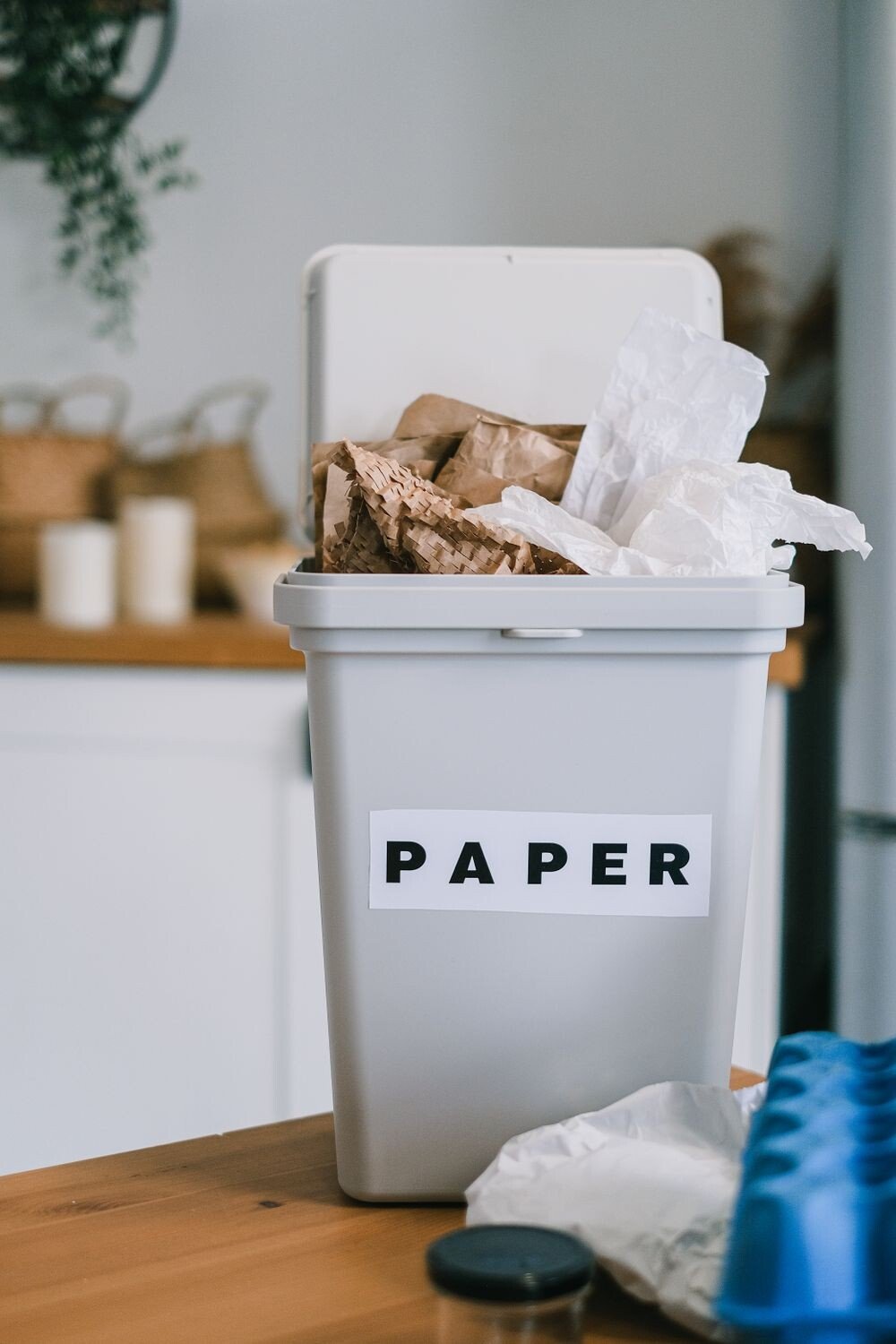
Bins can make a room look neat in a snap, especially when they are the same color or shape. Clear bins show what is inside, while woven bins add a warm, cozy feel.
This idea is useful because it hides clutter without hiding your things from view. It can also save money if you buy only a few bins and use them well. Try labels, chalk tags, or color spots so each bin has a clear job.
Many people like soft neutrals, soft gray, or natural wood tones right now because they feel calm and modern. You can also make the space feel personal with one bright bin for craft tools or one patterned box for mail.
3. Set Up a Daily Reset Spot

A reset spot is a small place where things go back at the end of the day. It can be a tray by the door, a hook on the wall, or a basket near the couch.
This makes mornings easier because keys, bags, and chargers have a home. It also cuts down on last-minute searching, which saves time and stress. Choose a spot that fits your routine so it feels natural, not forced.
You can make it special with a small plant, a pretty dish, or a label made by hand. The cost can be very low if you use items you already own, and that makes it a smart fresh-start habit.
Some homes now use wall-mounted catchalls or slim ledges because they save floor space. That choice works well in small rooms and keeps the entryway looking open.
4. Sort by How You Use Things
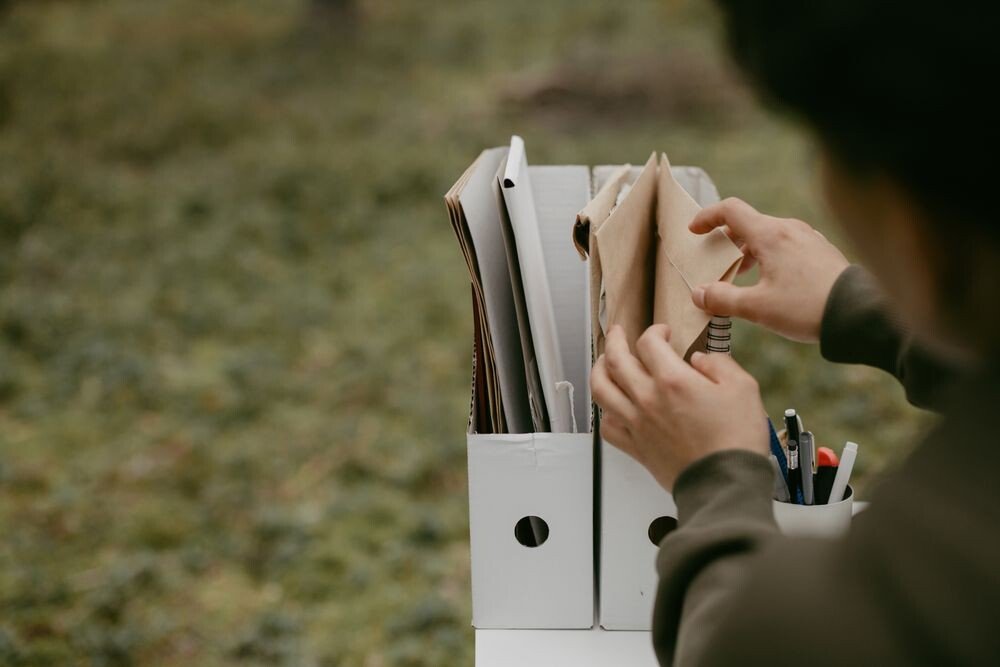
Put things near the place where you use them most. Plates belong close to the kitchen, and school supplies belong near homework space.
This cuts steps and helps each task feel easier. It also makes your home work for you instead of making you work for it. Try moving one group at a time so the job stays simple and clear.
5. Make Labels That Feel Friendly

Labels help everyone know where things go, and they can look fun too. A neat label on a box or drawer gives the room a tidy, finished look.
You can print them, write them by hand, or use sticker labels for a quick fix. Handwritten labels feel warm and personal, while printed ones look crisp and clean. If you want to save money, use scrap paper, tape, or a label maker with refill tape.
Many people like bold black text on white labels because it is easy to read. You can also use soft colors or icons for kids, guests, or shared spaces.
Try words that match your style, like “art tools,” “game time,” or “morning gear.” That small touch can make the room feel more like yours.
6. Build a Paper Home

Paper piles can grow fast on tables, desks, and kitchen counters. A paper home gives every bill, note, and school sheet a place to wait.
Use three spots: one for action, one for filing, and one for recycling. This keeps important papers easy to find and old papers out of the way. A small file holder or folder set can cost very little and work for a long time.
Choose a style that fits your room, such as a sleek file box or a colorful folder stand. If you like a modern look, clear file sleeves are popular because they feel light and tidy.
Sort mail right away so you do not have to face a giant stack later. A paper home can save time, reduce worry, and keep your desk ready for real work.
7. Give Every Drawer a Job

Drawers can turn into mystery zones if they hold too many things. When each drawer has one clear job, it becomes easy to use and easy to keep neat.
Kitchen tools can stay together, socks can stay together, and office gear can stay together. Small dividers, cups, or boxes can keep items from sliding around. This setup feels polished and can be done on a small budget with simple inserts.
Try to leave a little empty space so drawers do not feel stuffed. That open space makes the drawer easier to close, easier to clean, and easier to enjoy.
Clear drawer organizers are a current favorite because they let you see everything at a glance. You can also use bamboo trays for a warmer look that feels calm and natural.
8. Keep One Donation Bag Ready
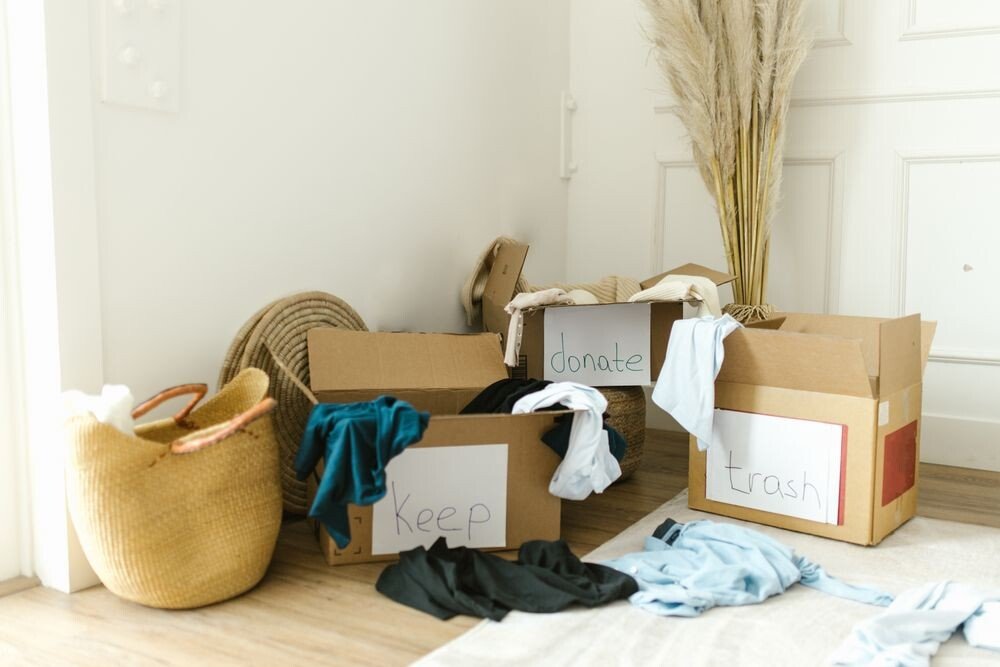
A donation bag helps you act fast when you spot something you do not use anymore. It can sit in a closet, laundry room, or car trunk and wait for the next cleanout.
This habit keeps clutter from coming back because you have a simple place to put extras. It also makes giving easier since the bag is already ready to go. Pick a sturdy bag or box so it can handle books, clothes, or toys without tearing.
Use it for items that are still nice but no longer fit your life. That makes the room feel lighter and can even help someone else at the same time.
Some people like a bright reusable tote for this job because it stands out and feels cheerful. If you want a low-cost choice, a plain grocery bag or cardboard box can work just fine.
9. Create Zones for Daily Life
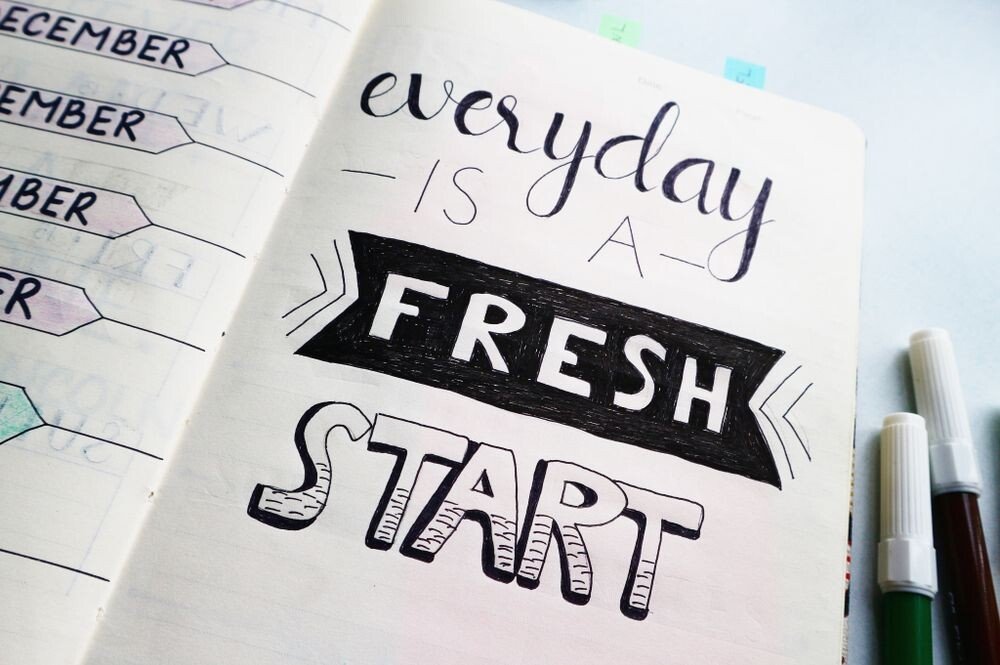
Zones help a room work in a clear and simple way. One corner can be for reading, another for crafts, and another for charging devices.
This idea is great because it stops things from spreading all over the house. It also gives each family member a place to focus on their own task. Use rugs, shelves, or small tables to mark each zone without making the room feel crowded.
Zones can be personal, too, which makes them feel special. A cozy chair, a favorite lamp, or a small basket of supplies can turn a plain corner into a spot you love.
Open shelves and light furniture are popular now because they keep rooms airy and easy to move through. If you want a budget-friendly version, use what you already own and shift it into a better spot.
10. Keep a Weekly Check-In Habit
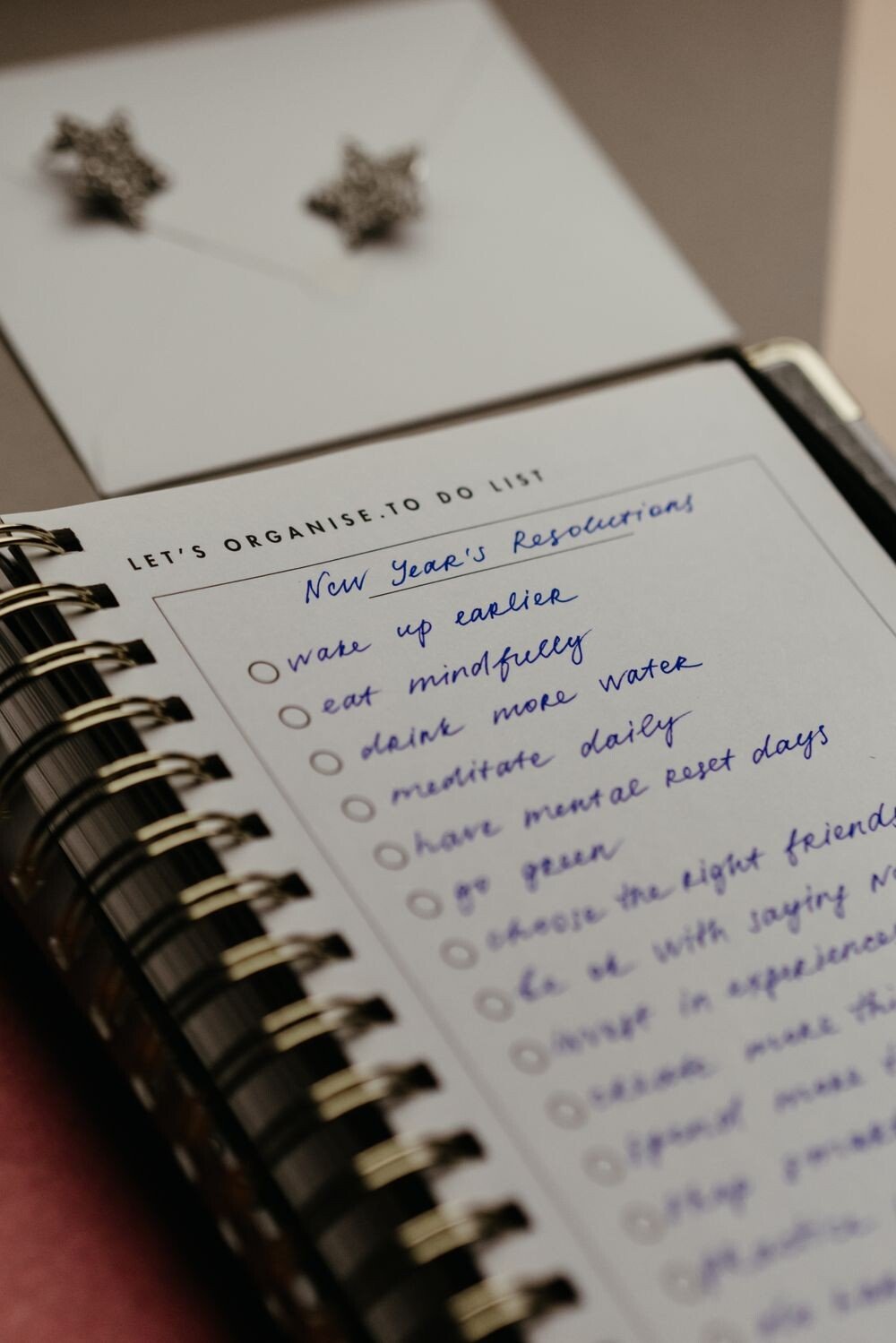
A weekly check-in helps your fresh start stay fresh. It gives you a short time to look around, put things back, and notice what needs help.
You do not need a big plan for this. Walk through each room with a basket and gather stray items, then return them to their homes. This habit can keep your whole space calmer and can stop messes before they get too big.
Make it fit your life by choosing a day that already feels quiet, like a Sunday afternoon or a school-night evening. You can play music, set a timer, and keep the job short so it feels easy to repeat.
Some people use a checklist on the fridge, while others use a phone reminder or a pretty notebook page. That little system adds structure, costs almost nothing, and can make your home feel ready for the week ahead.