Confidence often grows in quiet ways. Small habits can change how you carry yourself every day.
1. Stand Tall for a Minute Before You Start

Good posture can change the way you feel in a very short time. When you stand tall, your body sends a strong signal that you are ready.
Picture your shoulders open, your chin level, and your feet planted like roots. This simple pose can help you look calm, feel steadier, and speak with more ease. It costs nothing, works almost anywhere, and can be made personal by pairing it with a favorite song, a deep breath, or a quiet word like “ready.”
2. Keep a Tiny Win List

Writing down small wins can make confidence feel real and visible. A neat list on paper or in a phone note can show you proof that you are making progress.
This habit is unique because it turns everyday moments into fuel. You might note a kind message, a finished task, or a brave question you asked in class or at work. It is free, easy to start, and fits current trends like journaling, digital notes, and simple self-care routines.
Try using colorful pens, stickers, or a clean app layout if that makes the page feel more fun. Some people like to keep the list by their bed, while others like to review it before a meeting or event. Over time, the list becomes a bright trail of proof that you can handle more than you think.
3. Practice One Clear Sentence

Having one simple sentence ready can make speaking feel less scary. It can be a greeting, an opinion, or a short answer that you know well.
For example, you might say, “I need a moment,” or “I think this idea could work.” That kind of practice helps your voice sound steady and clear, and it keeps your mind from freezing up. It costs nothing, and you can make it personal by choosing words that sound like you.
This habit is especially helpful in group chats, interviews, and class talks, where many people feel pressure to perform. You can rehearse in front of a mirror, with a friend, or while walking around your room. The more natural the sentence feels, the more confident you will seem when it matters.
4. Dress in a Way That Feels Like You

Clothes can shape how you move through the day. When you wear something that feels right, you may stand taller and smile more easily.
A bright shirt, clean shoes, or a favorite jacket can give your mood a lift. The best part is that style does not need to be expensive or flashy to work. You can build a look around comfort, color, or one special piece that feels like your own.
5. Make Eye Contact in Small Doses

Eye contact can make a person seem more sure of themselves. You do not need to hold it forever; short, gentle moments can be enough.
Try looking at one eye, then the other, or glancing at the space between the eyebrows if direct contact feels too strong. This can help you seem warm, honest, and present without feeling stiff. It is free, it works in face-to-face talks and video calls, and it can be easier when you practice with people you trust.
If full eye contact feels hard, start with a cashier, a neighbor, or a friendly classmate. You can even practice while listening, which often feels less intense than speaking. Many people today are paying more attention to body language, so this small habit can make a clear difference in how others respond to you.
6. Keep Your Space Simple and Neat

A tidy space can help your mind feel less crowded. When your desk, bag, or room looks calm, you may find it easier to think clearly.
Start with one small area, like a drawer or a corner of your desk. The visual reward can be strong: a clean surface, a clear path, and less clutter pulling at your attention. This habit is unique because it supports confidence without asking you to be perfect.
You can personalize it with baskets, labels, or a favorite pencil cup, but you do not need to spend much. Many people like simple setups now because they feel peaceful and easy to keep up. A neat space can also make you feel more ready for guests, study time, or a busy morning.
7. Say Kind Things to Yourself Out Loud
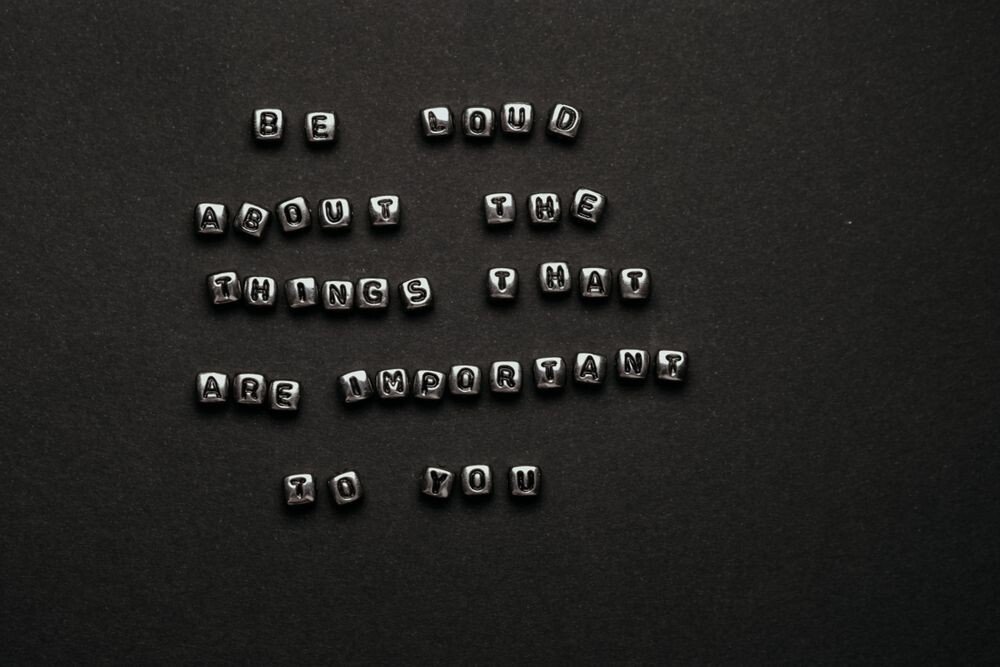
Your inner voice can be your biggest helper or your loudest critic. Speaking kindly to yourself can soften fear and build trust in your own mind.
Try short phrases like “I can do hard things” or “I am learning as I go.” Saying them out loud can make them feel stronger than just thinking them. It costs nothing, and you can make the words fit your own style so they sound real, not fake.
8. Prepare One Thing Ahead of Time

Being ready for one small part of the day can lower stress fast. It might be packing a bag, laying out clothes, or writing a short note for later.
This habit works because it removes one choice when your brain is tired. A prepared lunch, a charged phone, or a ready water bottle can make you feel more in control. It is simple, low-cost, and useful for busy mornings, travel days, and school or work routines.
To make it your own, pick the thing that usually causes the most rush. Some people prepare the night before, while others like a five-minute check in the morning. That small bit of planning can give you a calmer face, a steadier step, and more room to focus on what matters.
9. Ask One Good Question

Asking a question shows interest and helps you join the moment. It can also take pressure off you because you do not need to carry the whole talk alone.
A good question can be simple, like “How did you start?” or “What do you mean by that?” This habit is unique because it makes you look thoughtful, not loud. It costs nothing and works in class, at work, at parties, and even in online chats.
If you want it to feel easier, keep a few question starters in mind before you walk into a room. You can also match your question to the person’s mood, topic, or hobby. Many people today value real conversation more than perfect speeches, so a good question can open a door in a very natural way.
10. Move Your Body in a Way You Enjoy

Movement can wake up confidence in a gentle, real way. A short walk, a stretch, or a few dance steps can change your energy fast.
Your body often feels lighter after movement, and your thoughts may feel less stuck. The visual can be fun too: arms swinging, hair bouncing, or feet moving with purpose. You do not need a gym or fancy gear, which keeps this habit cheap and easy to repeat.
Pick what feels good to you, not what looks impressive to other people. Some like music, some like fresh air, and some like quiet stretching before bed. With so many fitness apps and short online videos trending now, it is easy to find a style that fits your life without spending much.
11. Keep Your Promises to Yourself

Trust grows when you do what you said you would do. Even tiny promises matter, like drinking water, reading for a few minutes, or going to bed on time.
Each kept promise becomes a small brick in your confidence. You start to believe your own plans because you have proof that you follow through. This habit is special because it builds self-respect from the inside, not from applause.
12. Notice What You Do Well
Many people notice mistakes faster than strengths. Shifting your attention to what you do well can make confidence feel warmer and more steady.
Look for skills like listening, helping, fixing problems, or staying calm under pressure. You can write them down, tell a friend, or keep them in a note on your phone. This habit is free, personal, and easy to update as you grow.
Try naming one strength after a hard day and one after a good day. That keeps the habit balanced and honest, which makes it more believable. In a world full of quick opinions and busy screens, this quiet practice can help you see your own value with clearer eyes.