A fresh chapter can feel exciting and a little unknown. Small wellness shifts can make it feel warm, steady, and full of promise.
1. Create a Calm Morning Corner
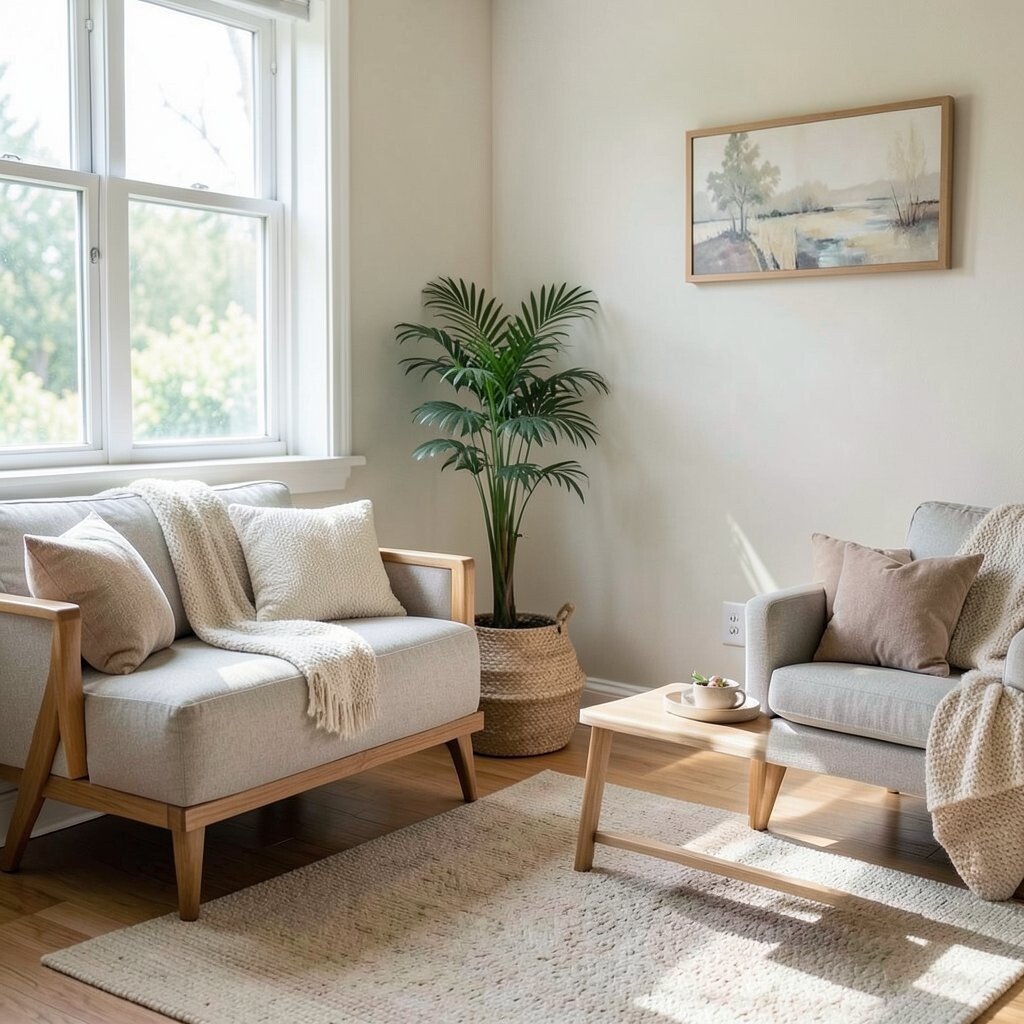
A calm morning corner can set the mood for your whole day. Picture a soft chair, a small lamp, a plant, and a mug waiting nearby.
This tiny space helps your mind wake up more gently. Keep it simple with a book, a journal, or a cup of tea, and make it yours with a blanket or favorite color. If you are watching your budget, use items you already own and add one special piece later.
2. Try a Daily Walking Reset

A daily walk can feel like a mini trip for your senses. Fresh air, moving feet, and changing scenery can wake up both body and mind.
Walking supports heart health, helps lift your mood, and can make stiff joints feel better. Try a park path, a quiet street, or a mall loop if the weather is rough. For a personal touch, use upbeat music, a podcast, or a walking buddy, and keep costs low with shoes you already have.
Many people now track steps with simple phone apps or smartwatches, but you do not need fancy gear to get started. A walk after meals is a popular trend because it feels easy and can support healthy blood sugar. Even a short stroll can become a daily habit that feels friendly instead of forced.
3. Set Up a Water Ritual

Water can be more than a drink when you turn it into a little ritual. A clear glass, a bright bottle, or sliced fruit can make it look cheerful and fresh.
Staying hydrated may help with energy, skin, and focus. Put your bottle in plain sight, add lemon or cucumber if you like, and sip before coffee or tea. If you want a low-cost trick, mark bottle levels with tape so you can see your progress.
Some people now keep reusable bottles on desks, in bags, and in cars because this trend makes healthy habits easier to remember. You can personalize the habit with a favorite straw, a fun sticker, or chilled herbal tea. The goal is simple: make water feel easy to reach and nice to drink.
4. Build a Soft Strength Routine
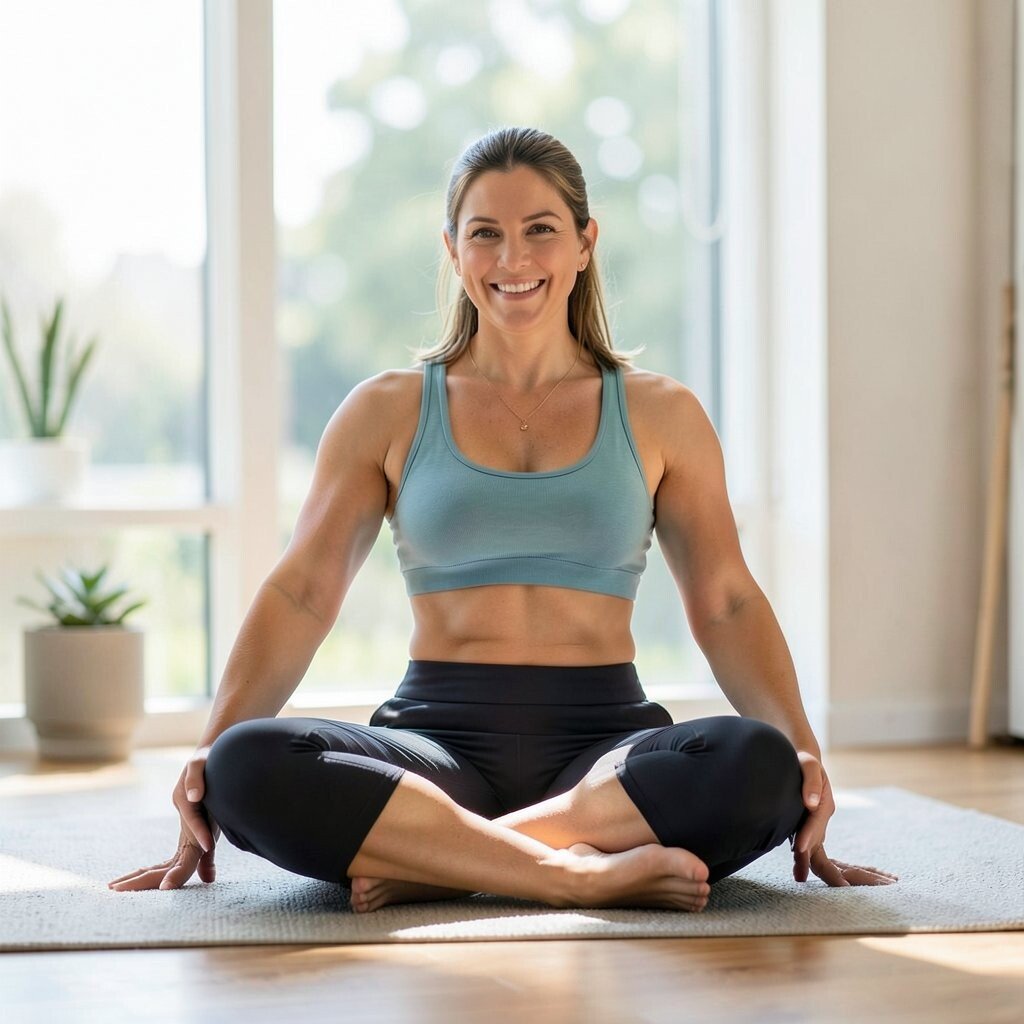
Strength work does not have to mean heavy gym machines or loud rooms. Think of bands, light weights, a mat on the floor, and strong but gentle moves.
This kind of routine can support bones, balance, and daily energy. Begin with squats, wall push-ups, and seated leg lifts, then adjust the pace to fit your body. A low-cost home setup works well, and you can make it more fun with music or colorful gear.
5. Make Sleep Feel Like a Treat

A good sleep setup can look cozy and peaceful, like a room that whispers “rest now.” Soft sheets, dim lights, and a neat bedside table can change the whole feel of your night.
Better sleep may help memory, mood, and stress levels. Try a fixed bedtime, a screen break, and a short wind-down with reading or stretching. You can personalize the space with a pillow you love, and you do not need much money if you focus on small changes first.
Sleep wellness is a big trend right now, with people using eye masks, white noise, and gentle alarms. Some even keep their phones far from the bed to reduce late-night scrolling. The best part is that comfort can be simple, quiet, and made just for you.
6. Add More Color to Your Plate

A colorful plate looks bright and inviting, almost like a rainbow at mealtime. Red berries, green vegetables, orange carrots, and purple cabbage can make food feel more alive.
Colorful meals often bring in more vitamins, fiber, and flavor. Try adding one bright fruit or vegetable to each meal, and keep frozen produce on hand for busy days. If money is tight, shop for in-season produce or use canned beans and corn for affordable color and texture.
Meal bowls and simple food prep are popular now because they save time and make healthy eating feel less messy. You can make the plate fit your taste by choosing crunchy, soft, warm, or cool foods. A small change in color can make dinner feel more cheerful right away.
7. Start a Tiny Mindful Pause
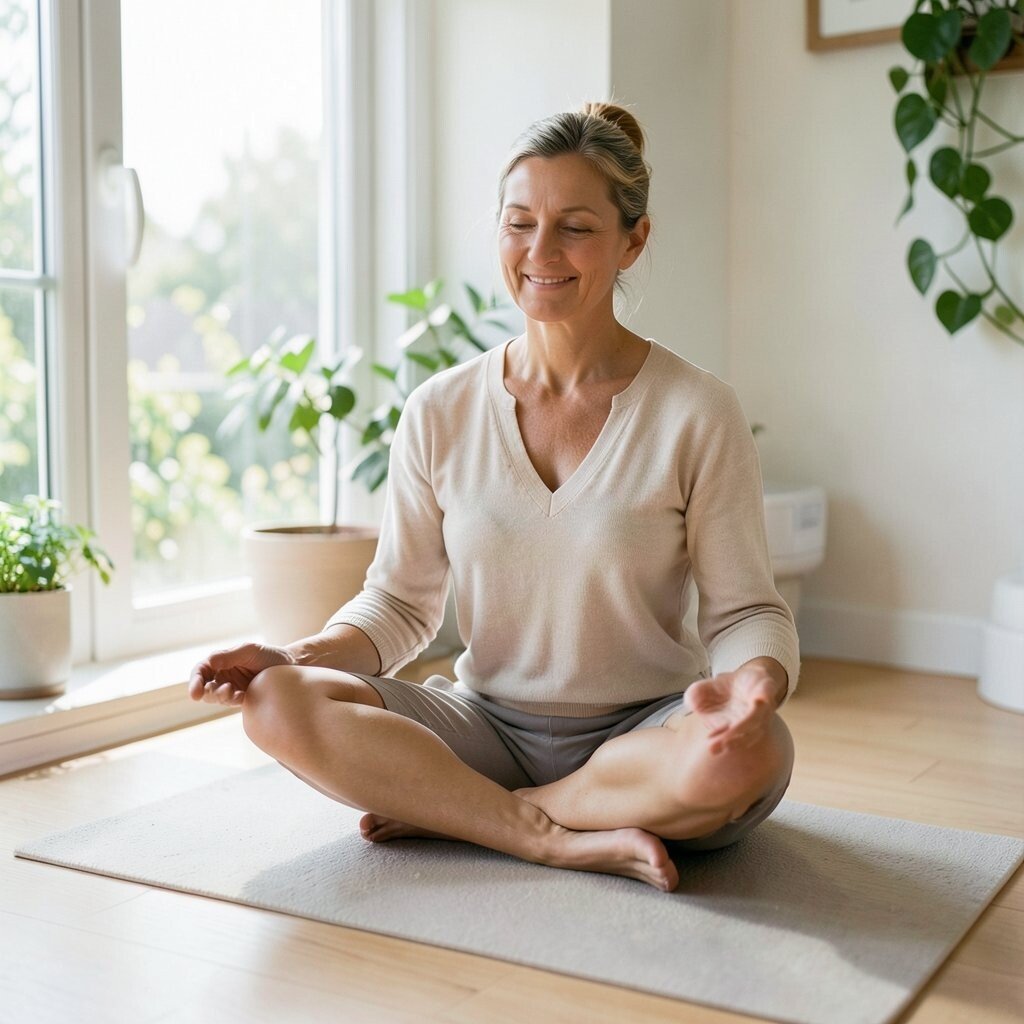
A mindful pause can be as small as a few slow breaths. It gives your brain a soft landing spot in the middle of a busy day.
This habit can lower stress and help you react with more care. Sit by a window, feel your feet on the floor, and notice what you hear, smell, and see. For a personal touch, pair the pause with tea, prayer, or a short note in a notebook.
People now use meditation apps, calm timers, and quiet corners at work or home, which makes this trend easy to fit into daily life. You do not need special clothes or a long session to enjoy the benefits. A tiny pause can still feel powerful when it happens often.
8. Refresh Your Home Air
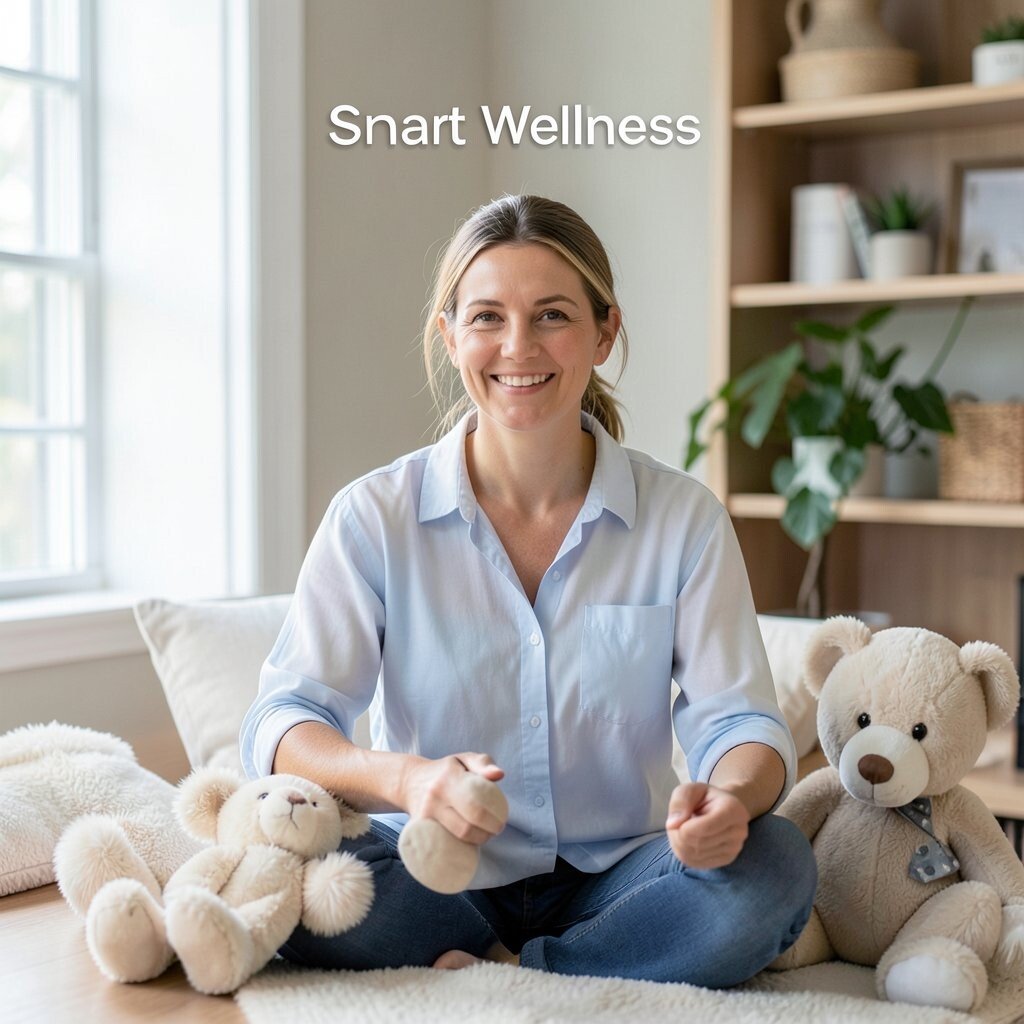
Fresh air can make a room feel lighter and more awake. Open windows, tidy surfaces, and a few green plants can change the mood fast.
Cleaner air and less clutter may help you feel calmer and more focused. Try a fan, an air filter, or a simple dusting routine if your space feels stuffy. To keep costs down, use natural light, houseplants, and regular window checks before buying bigger items.
Indoor plants and low-clutter spaces are trendy because they look good and feel peaceful. You can personalize the space with a favorite scent, a basket for small items, or a plant that matches your light level. Even one bright corner can make a home feel fresher and more welcoming.
9. Plan Joyful Tech Breaks
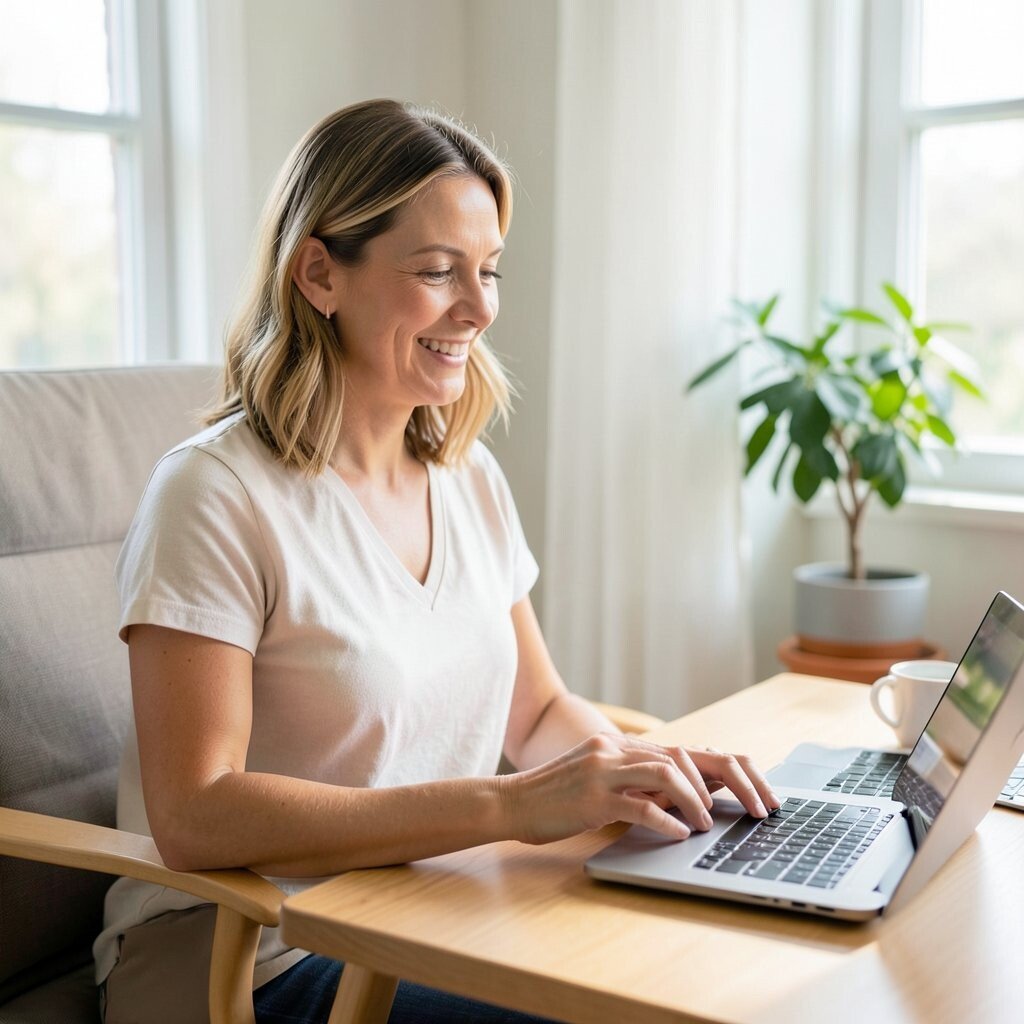
Tech breaks can give your eyes and brain a rest from endless screens. Think of a phone resting face down while you stretch, sip water, or look outside.
Taking breaks may help reduce eye strain and mental fatigue. Set a timer, mute extra alerts, and choose one or two times a day to step away from screens. If you want a low-cost idea, use your phone’s built-in focus tools instead of buying new apps.
Digital wellness is a strong trend, and many people now use screen-time reports to notice habits. You can make breaks feel personal by pairing them with music, sketching, or a quick chat with someone you like. The aim is not to quit tech, but to use it with more care.
10. Keep a Feel-Good Food Journal
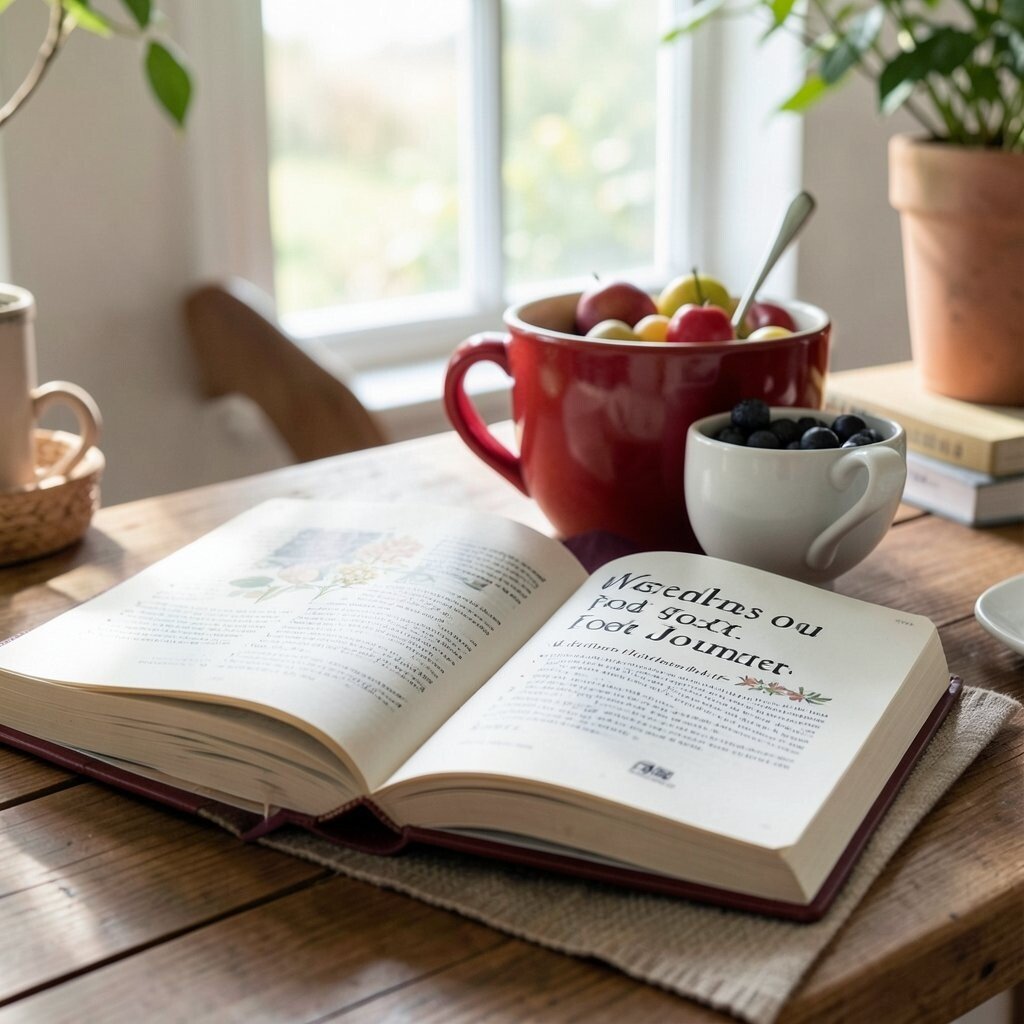
A food journal can be simple, bright, and easy to look back on. A notebook with doodles, stickers, or colorful pens can make it feel less like homework.
Writing down meals, moods, and hunger cues can help you spot patterns that matter. Note what gives you energy, what feels heavy, and what tastes best after a long day. If you need to save money, use a free notes app or the back pages of an old notebook.
Many people today use habit trackers and photo journals because they are quick and visual. You can personalize your journal by adding recipes, grocery ideas, or kind notes to yourself. This small habit can help you choose foods that fit your life better.
11. Make Room for Gentle Stretching
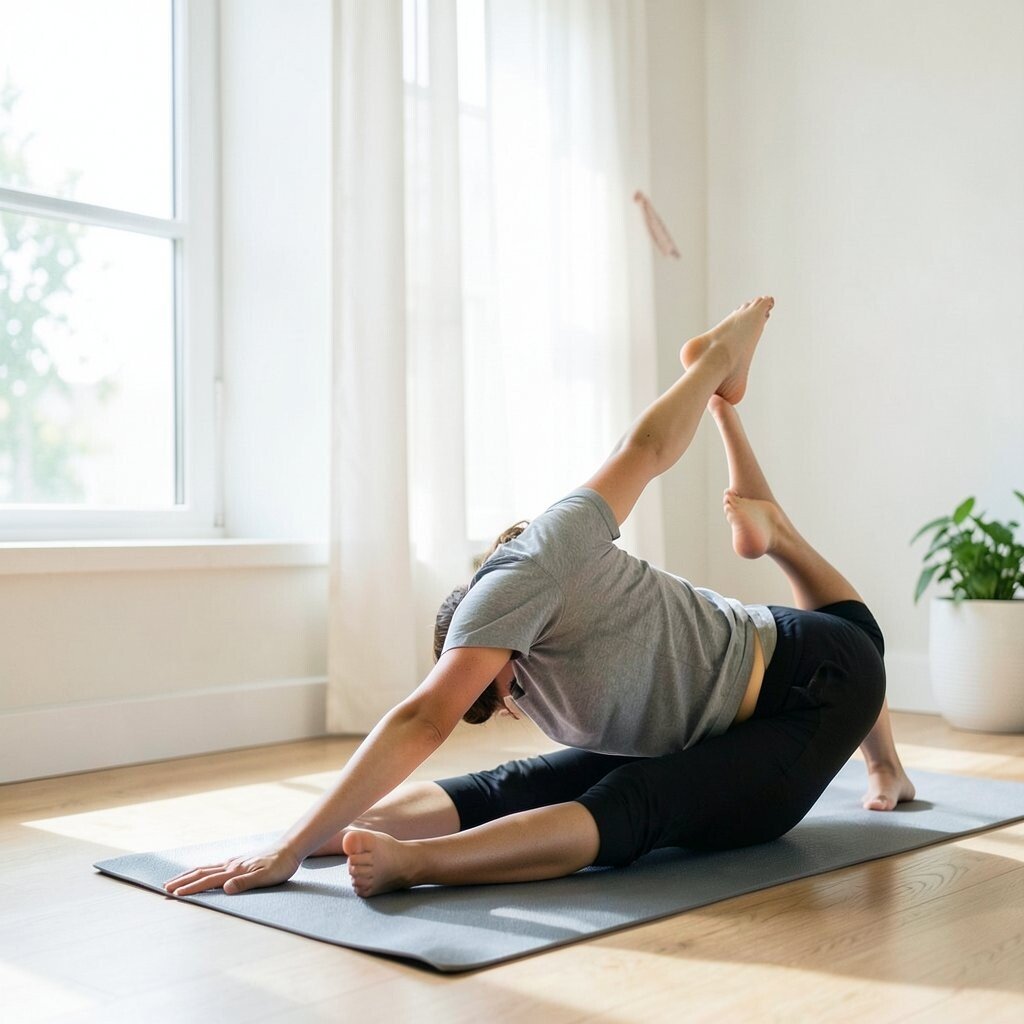
Stretching can feel like a soft wake-up for tired muscles. A mat on the floor, a sunny spot, or a chair by the wall can turn a plain corner into a small wellness space.
Gentle stretches may ease tight shoulders, stiff hips, and sore backs. Try moving after waking, after sitting too long, or before bed to keep your body feeling looser. You can keep it budget-friendly with no equipment at all, and add a foam roller later if you want more support.
Short mobility routines are a current favorite because they fit into busy days. Make the routine your own with slow music, deep breaths, or stretches that feel best for your body. A little daily movement can feel kind, not hard.
12. Design a Weekly Treat Plan

A weekly treat plan gives you something nice to look forward to. It might be a warm bath, a movie night, a bakery stop, or quiet time with a book.
Treats can support wellness when they help you rest and feel cared for. Pick simple joys that fit your budget, and spread them through the week so life feels more balanced. You can personalize the plan with seasonal ideas, favorite snacks, or small rewards after a hard task.
Self-care calendars and theme days are popular because they make good habits feel playful. Some people plan a “slow Sunday,” while others choose a midweek reset to break up stress. The best treat is one that feels easy to keep and truly fits your next chapter.