Travel feels different after forty. It can feel better, calmer, and a lot more personal.
1. Pick Trips That Match Your Energy

After forty, your best trip is often the one that fits how you feel, not how fast you can go. A quiet beach town, a pretty mountain inn, or a small city with easy walks can look and feel much more inviting than a packed schedule.
Think about what gives you energy and what drains it. If big crowds wear you out, choose places with wide streets, good parks, and simple transit, and if you love buzz, look for a lively food district or a colorful market. This kind of choice saves money too, since you may spend less on taxis, rushed meals, and last-minute fixes.
2. Pack Light, Pack Smart

A lighter bag makes the whole trip feel easier from the start. A neat suitcase with clean layers, soft colors, and one or two favorite pieces also looks more polished in photos and in real life.
Choose clothes that mix and match well, so you can make more outfits from fewer items. That keeps costs down because you buy less and avoid checked bag fees on many airlines. A small travel kit with meds, chargers, glasses, and skincare in one place is a simple trick that makes you feel organized and ready.
Many travelers now use packing cubes, wrinkle-resistant fabrics, and shoes that work for walking and dinner. You can make the trip feel more like you by adding one bright scarf, a bold shirt, or a favorite hat. The goal is not to pack less just for the sake of it; the goal is to pack in a way that gives you freedom.
3. Build Rest Into the Plan

Rest is not wasted time on a trip. It is the part that helps you enjoy the rest of the day.
A slow morning with coffee by a window can be just as memorable as a famous landmark. Try placing a break after every busy outing, and choose hotels with comfy beds, quiet rooms, or a nice lobby where you can sit and breathe. This helps your body recover and can lower the chance of feeling cranky, sore, or overwhelmed.
You can personalize rest by planning for the kind you like best. Some people want a nap, some want a book, and some want a long bath or a seat in a sunny café. A short pause can also save money because you may skip extra rides, random snacks, and tired impulse buys.
4. Choose Places With Easy Access

Stairs, steep hills, and long walks can turn a fun day into a hard one. Places with elevators, smooth sidewalks, good benches, and clear signs can make travel feel much kinder.
Look for hotels near the sights you care about so you do not spend all day in transit. That can cut costs on rideshares and private tours, and it also gives you more time for the good parts of the day. A city map with walkable neighborhoods, a park, or a waterfront path can make the trip feel fresh and relaxing.
5. Travel in a Way That Feels Personal
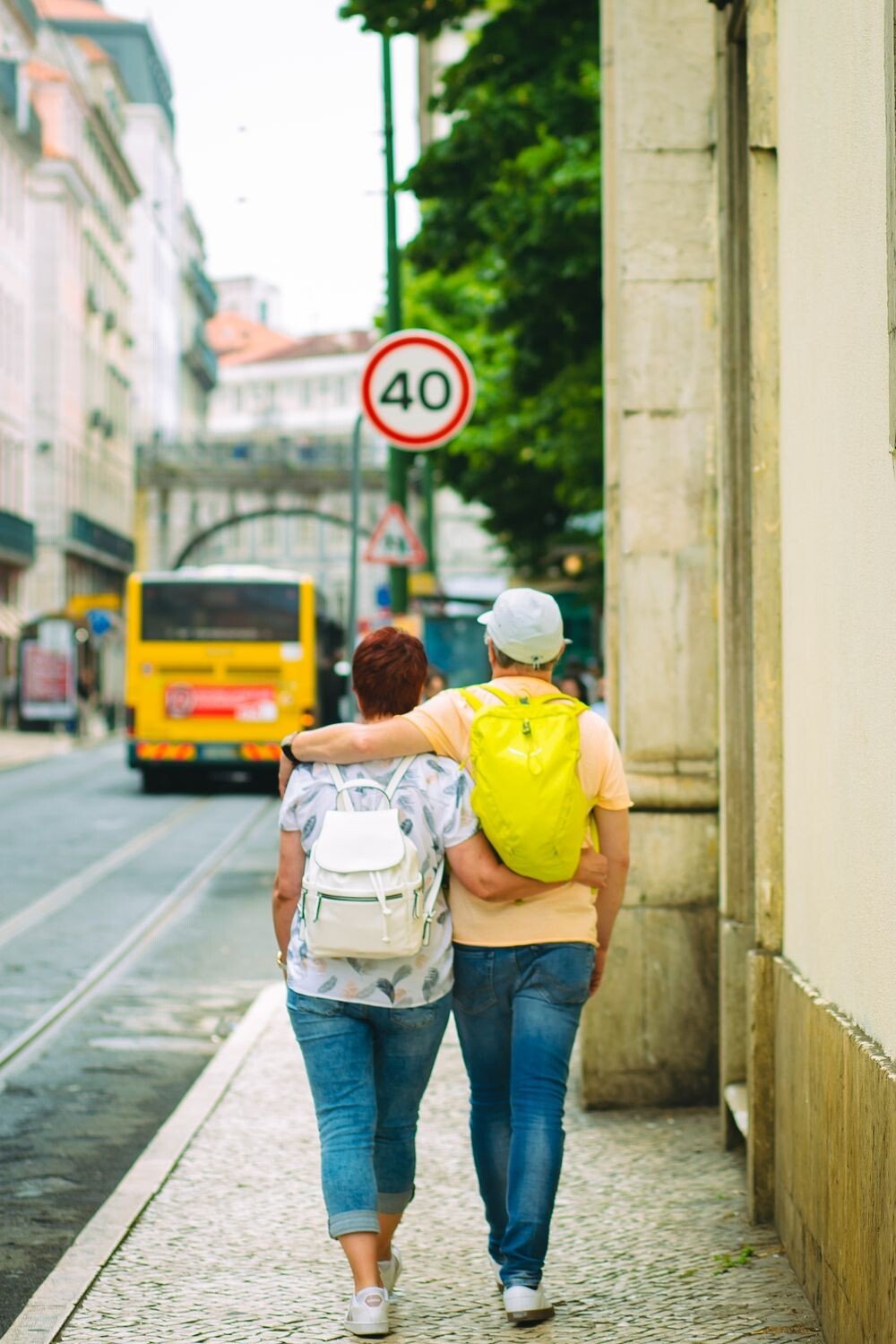
The best trips after forty often have a clear point of view. Maybe you want food, art, history, nature, or a mix that fits your own style.
When a trip matches your taste, every stop feels more meaningful. You can build a custom list of places that matter to you, like a jazz bar, a local bakery, a bookshop, or a museum with quiet rooms. This kind of planning also helps you spend wisely because you focus on what you truly enjoy instead of paying for extras that do not fit.
Current travel trends make this easier than ever, with small group tours, local guides, and neighborhood stays that feel more real. You might even choose a trip theme, such as gardens, trains, or coastal drives, to give the whole journey a special feel. Personal touches turn a normal vacation into something that feels made for you.
6. Use Better Timing

Timing can change the whole mood of a trip. Early starts, shoulder season travel, and weekday visits often mean shorter lines and softer crowds.
That calmer pace can make famous places feel more pleasant and less stressful. It can also lower costs because flights, hotels, and tickets are often cheaper outside the busiest times. If you like a quieter scene, plan breakfast early and save the late afternoon for a slow walk or a nice meal.
You can make timing fit your habits, too. If you are a morning person, put your most important stop first, and if you move better later in the day, leave room for that. A trip that respects your natural rhythm often feels smoother and more fun.
7. Keep Your Budget Clear and Simple

Money stress can ruin a good trip fast. A simple budget gives you room to enjoy the ride without checking your wallet every few minutes.
Start with the basics: room, food, local travel, and a little extra for treats. Then decide where you want to spend more, such as a nice dinner or a special tour, and where you can save, like breakfast from a market or a hotel with free coffee. This clear plan makes the trip feel more in control and less random.
Many travelers now use travel cards, price alerts, and flexible booking tools to keep costs down. You can also personalize your budget by setting aside money for one item that feels like a reward, such as a spa visit or a local craft. When your spending reflects your values, the trip feels richer even if it is not pricey.
8. Care for Your Body Before and During the Trip

Your body is your travel partner, so treat it well. A little care before you leave can make every day on the road easier.
Drink water, stretch a bit, and bring anything you need for comfort, such as good shoes, support socks, or your favorite pain relief plan from your doctor. These small steps can help with long flights, long drives, and long museum days. They also keep you from spending extra on items you forgot and had to buy in a rush.
Some travelers now use wellness routines on the road, like short walks, light snacks, and simple breathing breaks. You can tailor this to your own needs by packing the tea you like, choosing a room with a tub, or booking a hotel gym if that keeps you happy. Feeling good in your body makes the whole trip brighter.
9. Leave Room for Surprise

It is smart to plan, but it is also smart to leave a little open space. Some of the best travel moments happen when you follow a side street, hear music, or stop for a view you did not expect.
A flexible afternoon can lead to a fun café, a local festival, or a lovely shop with handmade goods. Those moments often feel more unique than a packed itinerary, and they can cost less than a booked attraction. If you like a bit of structure, keep one open block each day and let it be your free time.
You can make surprise feel safe by keeping your basics covered first. Once food, rest, and transport are set, the rest can be playful. That balance is one of the nicest parts of traveling with more life experience.
10. Choose Better Places to Stay

Where you sleep shapes how the whole trip feels. A quiet, clean, well-located place can make you feel calm the moment you walk in.
Look for photos that show natural light, tidy beds, and good seating, not just fancy decor. A room with a view, a balcony, or a cozy chair can make a simple stay feel special without a huge cost jump. If you want more privacy and space, a small apartment or guesthouse may fit your style better than a big hotel.
Current trends lean toward boutique stays, local homes, and places with a strong sense of character. You can personalize your choice by picking a neighborhood that matches your mood, such as artsy, quiet, or near the water. The right stay can become part of the memory, not just a place to sleep.
11. Make Food Part of the Fun

Food is one of the easiest ways to feel connected to a place. A warm pastry, a fresh bowl of soup, or a colorful market plate can tell you a lot about local life.
Try mixing simple meals with one or two special ones, so you do not spend too much but still feel treated. You can also ask locals where they eat, which often leads to better food and better prices. If you have favorite flavors, build your trip around them, like seafood by the coast or slow-cooked dishes in a colder town.
Food trends now include farm-to-table spots, street food tours, and small tasting menus that feel personal. Some travelers even plan trips around one signature meal a day and keep the rest easy. That kind of choice makes eating feel joyful instead of rushed.
12. Travel With Confidence, Not Pressure

After forty, you do not need to prove anything with your trip. The best travel style is the one that makes you feel calm, curious, and fully yourself.
Say yes to the things that fit your pace and no to the things that do not. That might mean skipping a tour, taking the scenic route, or choosing a quiet café over a noisy bar. You can spend less, enjoy more, and return home feeling like the trip gave you something real.
Confidence also means trusting your taste. If you love a small museum more than a famous line-up of sights, that is a good choice. If you want one fancy dinner and several simple meals, that is a good choice too. When you travel in a way that feels honest, the whole journey becomes more beautiful.