Life gets quieter in some ways and louder in others. The choices that once felt small can start to shape your days in a big way.
1. Stop Treating Sleep Like a Luxury

Late nights can leave your face dull, your eyes puffy, and your mood thin. Good sleep gives your body a chance to repair itself, and that shows up in your energy, skin, and focus.
Try making your bedroom feel calm and simple, like a soft hotel room with cool sheets and low light. A better pillow, blackout curtains, or a quiet fan can cost less than a fancy dinner and may help you rest more deeply. If you like a personal touch, keep a book, a water glass, or a gentle scent nearby so bedtime feels like a treat instead of a chore.
2. Stop Saying Yes to Everything
A packed calendar can look impressive, but it often feels like carrying too many grocery bags at once. When you say yes to every request, your own plans get squeezed out.
Protecting your time gives you more room for the people and habits that matter most. A simple no can save money, energy, and stress because you are less likely to rush into costly plans you do not even want. Many people now enjoy a slower, more thoughtful pace, and that trend fits well here because fewer commitments can mean a calmer, cleaner life.
Think about the tasks that truly need you and the ones that can wait, be shared, or be skipped. You can make your answer kinder by offering another day, a shorter visit, or a different idea that fits your real life. That small shift can make your schedule feel more like your own and less like a game of catch.
3. Stop Ignoring Strength

Strong muscles do more than make clothes fit well; they help you climb stairs, carry bags, and stand tall. Without them, the body can feel shaky, stiff, and tired in simple moments.
You do not need a fancy gym to begin. A few bands, light weights, or even sturdy soup cans can work at home, and that keeps costs low while still giving real results. Many people like short strength sessions now because they fit busy days and can be done in a bright corner of the house, near a mirror, or beside a favorite playlist.
Pick moves that match your body, like chair squats, wall pushups, or gentle rows. Add a little more over time so the habit stays fresh and useful. If you want it to feel personal, choose exercises that help with your real life, such as lifting luggage, reaching high shelves, or getting up from the floor with ease.
4. Stop Dressing for the Past
Clothes can keep you stuck in an old version of yourself if you never check what still feels right. The mirror should show a person who looks current, comfortable, and confident.
Fresh colors, softer fabrics, and cleaner lines can make a big difference without a big bill. Thrift stores, swaps with friends, and a few smart basics can give you a new look for less, which is helpful when prices keep rising. Right now, simple tailoring and relaxed style are popular, so a hem, a sleeve tweak, or a better fit can make even an old piece feel sharp.
Look for outfits that fit your shape now, not the shape you had years ago. Keep the pieces that bring out your eyes, brighten your skin, or make you stand taller. When your clothes feel easy, your whole day can feel lighter too.
5. Stop Waiting for Perfect Health Habits
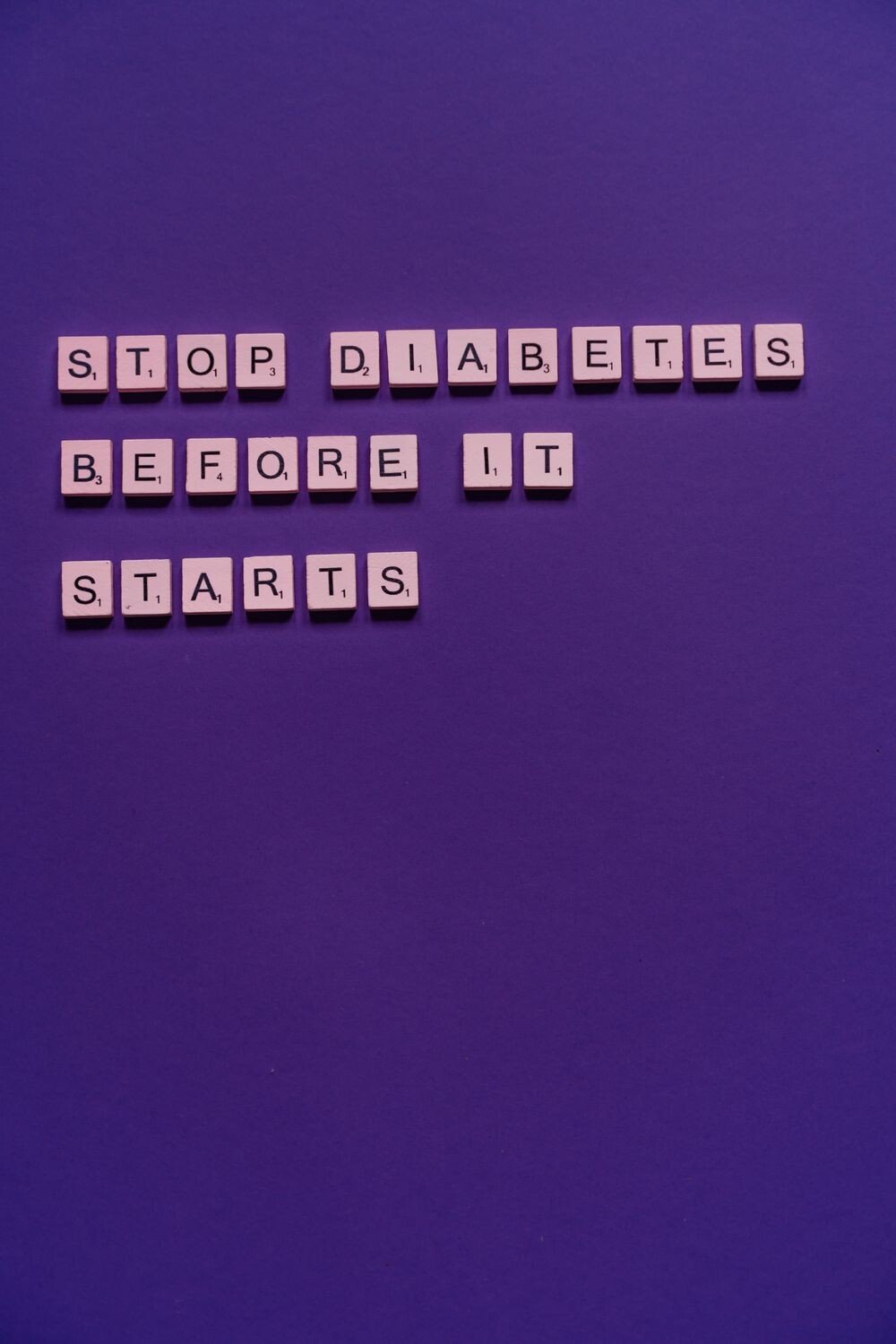
Perfect plans often stay on paper while real life keeps moving. A small walk, a glass of water, or a better lunch can do more than a grand plan you never start.
Simple habits are easier to keep because they fit into busy mornings and tired evenings. They also cost less than dramatic fixes, fancy cleanses, or gadgets that sit in a drawer. Many people now track steps, sleep, and water intake on phones or watches, but you can still keep it old-school with a note on the fridge or a paper calendar.
Choose one tiny habit that feels almost too easy to skip. Then build from there, using your own taste and schedule instead of copying someone else’s routine. The best plan is the one you can repeat on a rainy Tuesday, not just on a perfect Monday.
6. Stop Keeping a Cluttered Home
Too much stuff can make a room feel noisy even when no one is talking. Clear surfaces, open shelves, and a few favorite objects can make a home look brighter and calmer right away.
Clutter also steals time because you keep moving things around instead of using them. Selling, donating, or recycling extras may even bring in a little cash or save you from buying duplicates you already own. Many homes now lean toward clean lines and warm, simple decor, and that style works well because it feels easy to live with.
Start with one drawer, one shelf, or one corner so the job stays small. Keep what is useful, lovely, or truly meaningful, and let the rest go without guilt. If you want the space to feel personal, place out a framed photo, a plant, or a handmade bowl that tells your story.
7. Stop Skipping Regular Checkups
It is easy to put off appointments when you feel fine, but small problems can grow quietly. A checkup can catch trouble early, when fixes are often simpler and less costly.
Health visits may not feel exciting, yet they can save money in the long run by avoiding bigger bills later. They also give you a chance to ask questions about sleep, pain, mood, or any new changes that seem odd. Many clinics now offer online booking, text reminders, and quick lab results, which makes care easier to fit into a busy week.
Write down concerns before you go so you do not forget them in the room. Bring a list of medicines, vitamins, or symptoms to make the visit smoother and more helpful. If you like, choose a doctor who speaks plainly and makes you feel heard, because comfort matters too.
8. Stop Spending Like Every Day Is a Treat Day
Little splurges can add up fast, especially when they become a habit instead of a rare joy. A closet full of impulse buys and a wallet full of receipts can leave you with less freedom later.
Mindful spending gives you more room for the things that truly matter, like travel, hobbies, or helping family. It can also reduce stress because you are not always worrying about the next bill. A lot of people now use budgeting apps, cash envelopes, or digital savings jars, but a simple notebook can work just as well and cost nothing.
Before buying, pause and ask if the item fits your real life or just your mood in the moment. Try a wish list so you can wait a week and see if you still want it. That little delay often keeps your home tidier and your money stronger.
9. Stop Staying Stiff All Day
Sitting too long can make your back feel like a board and your hips feel glued in place. Gentle movement keeps the body loose, the joints happier, and the mind more awake.
You do not need a full workout to break up the day. A short stretch, a hallway walk, or a few arm circles can cost nothing and still help a lot. Standing desks, walking meetings, and stretch breaks are popular right now because people want work habits that feel kinder to the body.
Set a timer if you tend to forget, or pair movement with habits you already do, like answering messages or waiting for tea to brew. Make it yours by choosing music, a pretty mat, or a sunny spot near a window. Small movement snacks can keep your energy steadier than one big burst at night.
10. Stop Comparing Your Life to Everyone Else’s

Social feeds can make other lives look polished, bright, and always on vacation. In real life, people still have messy kitchens, bad hair days, and bills to pay.
Comparison can steal joy fast because it turns your own progress into a race you never signed up for. A better habit is to notice what is working in your own life and build from there. Many people now take breaks from apps, mute noisy accounts, or keep a phone-free hour each day, and those choices often cost nothing while giving back peace.
Try following accounts that teach, calm, or inspire you in a real way. Keep a few photos or notes that remind you of your own wins, like a finished project or a kind message from a friend. When you focus on your own path, your life starts to feel more solid and less shaky.
11. Stop Avoiding New Friends and New Hobbies
It can feel safer to stay with the same circle and the same routines, but that can make life feel small. New people and new interests add color, laughter, and fresh stories to the week.
Trying something new does not have to be expensive or awkward. A library class, a neighborhood walk group, or a craft night can open doors without a big price tag. Right now, people are enjoying low-pressure hobbies like pottery, birdwatching, gardening, and puzzle clubs because they offer fun without a lot of pressure.
Pick one thing that makes you curious, even if you are not sure you will be good at it. Bring a friend if that helps, or go alone if you want a clean start. The best part is that new hobbies can help you meet people who like the same odd little things you do.
12. Stop Putting Yourself Last
Many people spend years caring for everyone else and leaving their own needs at the bottom of the list. Over time, that can make you feel tired, invisible, and a little resentful.
Putting yourself first sometimes is not selfish; it is smart care. Rest, fun, and quiet time can help you show up better for the people you love, and those things often cost very little. Self-care trends now include simple rituals like morning sunlight, journaling, skin care, and slow coffee, but the real point is to choose what feels good to you.
Make a small daily promise to yourself, like reading a few pages, taking a walk, or sitting in silence for a minute. Personalize it so it fits your life, your budget, and your energy level. When you treat your own needs with respect, everything else tends to feel a bit more possible.