A great trip can feel easy before it even begins. Small choices often make the biggest difference.
1. Pack a simple day bag first

A small day bag keeps your most important items close and easy to reach. It also gives you a neat, ready look when you step into a busy street, a train station, or a sunny park.
Put in water, snacks, a phone charger, tissues, and any medicine you may need. Pick a bag that fits your style, since a bright color, a soft shape, or a clean classic look can make it feel more personal. This tip can save money too, because you may skip pricey last-minute buys when you already have what you need.
2. Choose shoes that feel good all day

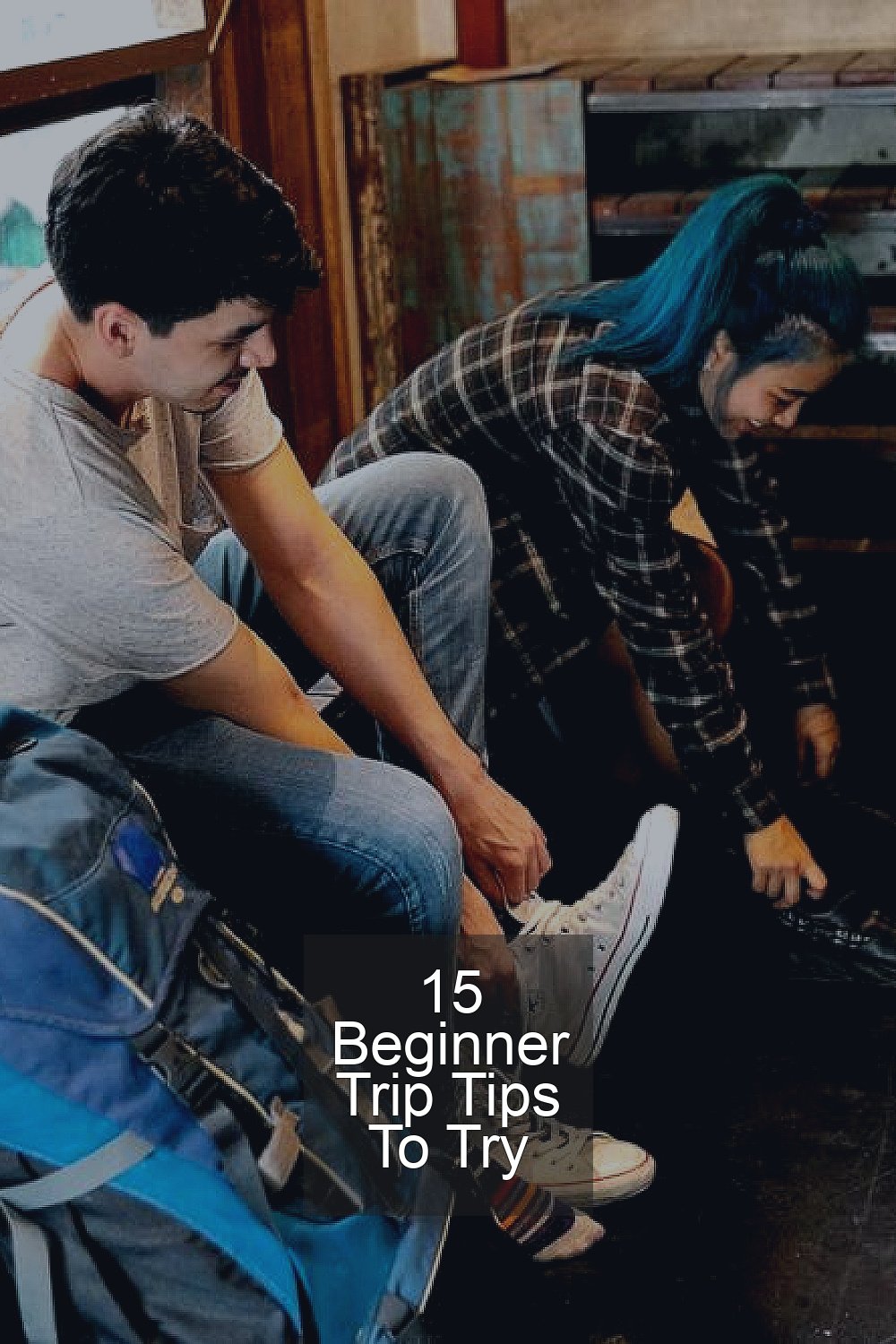
Comfortable shoes can change your whole trip mood. When your feet feel happy, you can enjoy the view, the food, and the walk from place to place.
Look for shoes that match your trip plan, like light sneakers for city streets or sturdy sandals for warm weather. Try them at home first so you can spot any rubbing before you leave. A good pair may cost more at the start, but it can help you avoid sore feet and extra replacement costs later.
Many travelers now pick shoes that work with both casual clothes and nicer outfits, which is a smart trend for easy packing. You can also choose colors that fit your clothes, so your bag stays simple and neat. If your trip has lots of walking, a small pair of soft socks can add even more comfort.
3. Keep a tiny travel folder

A travel folder can hold tickets, booking notes, and ID in one safe place. It makes your bag look tidy and helps you feel calm when you need something fast.
You can use a paper folder, a slim wallet, or a phone app with saved copies. Add your own touch with a bright divider, a sticker, or a color code that makes sense to you. This idea is low cost and very helpful, since it can stop you from printing extra papers or paying for rushed replacements.
Some people like to keep both paper and digital copies, which adds a nice layer of safety. A folder also works well for family trips, since everyone can see where things belong. If you travel often, the same folder can be used again and again.
4. Plan one easy first stop

Your first stop can set the mood for the whole trip. A calm, pretty place can make the day feel smooth instead of rushed.
Pick a café, park, beach, or simple lookout that is not hard to reach. Think about what feels special to you, because a quiet garden may suit one person while a lively market may suit another. This choice can also save money if your first stop is free or low cost.
5. Use a short daily plan

A short plan keeps the day clear without making it feel strict. It can help you see the best sights while still leaving room for fun surprises.
Write down only the main things you want to do, then leave open space in the middle of the day. This works well for beginners because it lowers stress and stops the feeling that you must hurry everywhere. A simple plan can also help you spot costs early, like entry fees, snack stops, or rides.
Try shaping the plan around your own pace, not someone else’s. Early birds may want a sunrise walk, while slow starters may prefer a late breakfast and an afternoon outing. The best plan is the one you can actually enjoy.
6. Bring a refillable bottle

A refillable bottle is one of the easiest trip helpers to carry. It looks smart in photos, and it keeps you ready for warm days, long walks, or bumpy rides.
You can choose a bottle with a color or shape that feels like you. Filling it again and again can cut down on waste and save money, since buying drinks all day can add up fast. If your trip is in a hot place, a cold bottle can feel like a tiny treat every time you sip.
Some bottles even have marks on the side, which can help you track how much you drink. That little detail can be useful on busy days. A simple bottle is easy to pack and easy to love.
7. Leave space in your bag

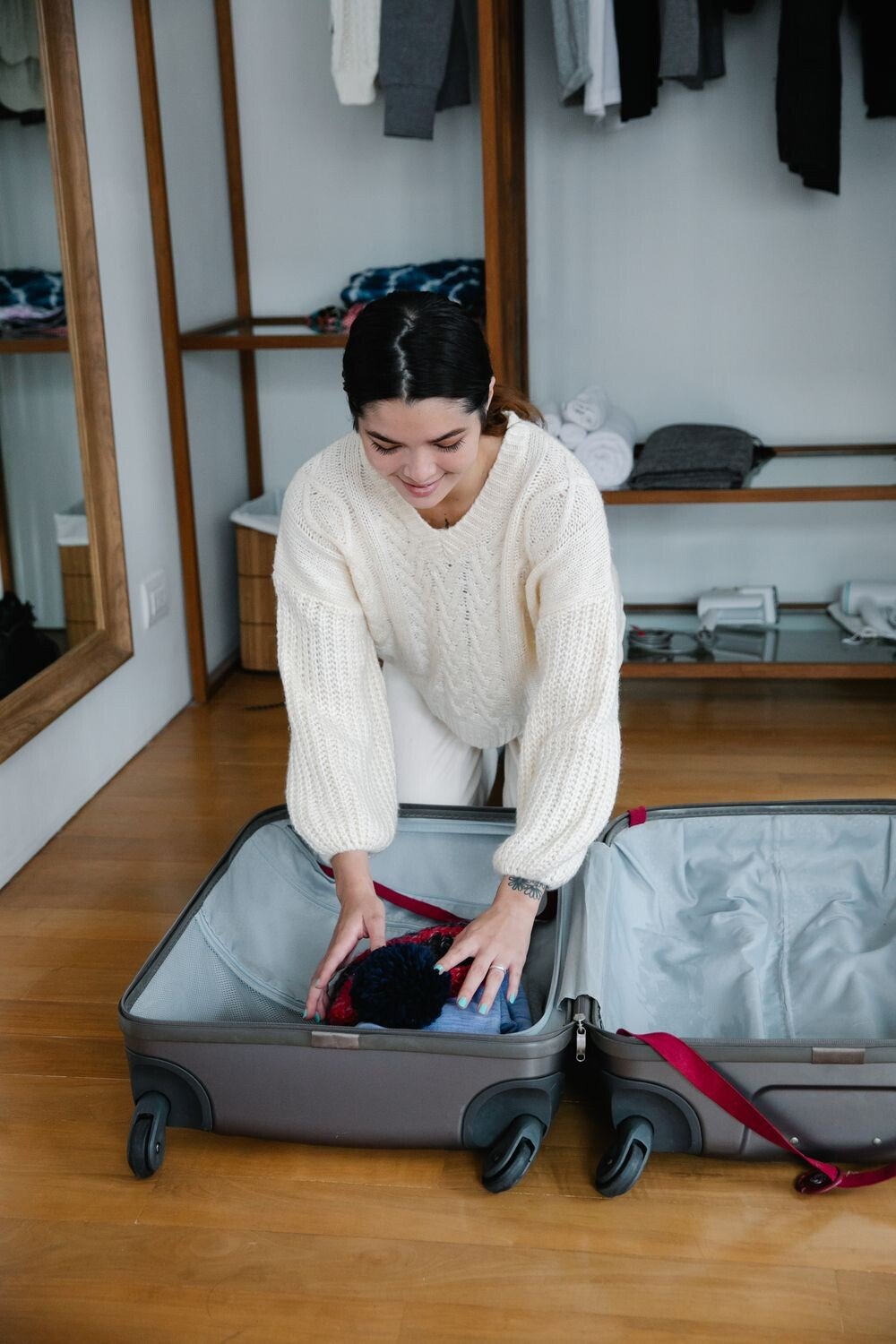
Extra space in your bag gives you room to breathe. It also gives you room for souvenirs, snacks, or a cozy layer you did not expect to need.
Many beginners pack too tightly and then feel annoyed when they buy something new. Leaving a little open space makes the bag easier to zip and carry, which is a nice comfort on long travel days. It can also help with cost, since you may not need to buy another bag just to fit everything.
A soft tote inside your suitcase can be a smart backup. You can use it for beach gear, market finds, or day trips. That small bit of planning can make your trip feel much smoother.
8. Mix one special item into your outfit
A trip outfit can feel plain, but one special item can make it shine. A scarf, hat, watch, or fun bag can bring color and make your photos more lively.
Choose something that matches your style and is easy to wear with more than one outfit. A personal touch like this can make you feel more confident in new places. It can also be a budget-friendly way to refresh your look without buying a whole new wardrobe.
Travelers today often use one bold piece to keep their packing light. That trend works well for beginners because it keeps choices simple. If you like a soft, calm look, pick gentle colors; if you like energy, pick something bright.
9. Save offline maps before you go

Offline maps can be a real helper when the signal is weak. They show streets, stops, and nearby spots in a way that feels clear and useful.
Download the area while you still have good internet, then mark your hotel, favorite cafés, and key stops. This can save money by lowering data use, and it can save time when you are standing on a corner trying to figure things out. It also gives you peace of mind, which is a big win for first-time travelers.
You can make the map more personal by adding stars or labels for places that matter to you. Some people mark snack spots, quiet rest spots, or pretty viewpoints. That small habit can make a new city feel friendlier right away.
10. Try local food in a gentle way

Local food can be one of the best parts of any trip. A warm bowl, a fresh pastry, or a street snack can tell you a lot about the place you are in.
Start with simple dishes that sound good to you, then work your way toward bolder choices. Ask a local, a host, or a server for one safe suggestion, and you may find a favorite dish fast. This is a fun way to keep costs in check too, since local meals are often cheaper than fancy tourist spots.
If you have a picky eater in your group, mix one familiar item with one new item on the plate. That balance makes the meal feel less scary and more fun. A food photo can also be a nice memory to keep.
11. Pick one free activity each day

Free activities can make a trip feel rich without making it expensive. A public garden, a beach walk, a museum day, or a pretty neighborhood can be just as memorable as a paid stop.
Look for local events, open parks, or scenic paths that fit your mood. This adds a unique feel to your trip because free places often show the real daily life of a city. It also helps your budget stretch farther, which is great for beginners who want to travel more often.
You can make this idea fit your style by choosing calm, active, or artistic options. A quiet bench by the water may suit one traveler, while street art may suit another. Free does not mean boring when you pick with care.
12. Keep a small snack stash

Snacks can save a day when meals are late or lines are long. They also help you stay cheerful when your energy starts to dip.
Pack a few easy items like crackers, nuts, fruit bars, or dried fruit. Choose snacks that travel well and do not melt or crush too fast. This simple habit can cut extra spending, since airport and station snacks often cost much more than food from home.
Try to match your snacks to your trip style. Sweet snacks may be nice for a beach day, while salty snacks can feel perfect on a long bus ride. A tiny snack bag can be one of the most useful things you carry.
13. Learn a few local words

Even a few local words can make a big difference. A simple hello, thank you, or please can bring a warm smile and make a new place feel less far away.
Write the words on your phone or a small card so you can use them when needed. This is a personal touch that shows care, and it can help with small tasks like ordering food or asking for directions. It may also save money if it helps you avoid mistakes or confusion.
Many travelers now use short phrase lists instead of long lessons, which is a smart and easy trend. You do not need to speak perfectly to be polite and clear. A little effort often goes a long way.
14. Build rest time into the day

Rest is part of a good trip, not a break from it. A slow hour with shade, water, or a soft seat can help you enjoy the rest of the day more.
Plan a pause after busy sights or long walks so your body can catch up. This can be a café stop, a quiet bench, or even a short return to your room. Rest helps beginners avoid feeling worn out, and it can stop extra spending on rushed taxi rides or emergency snacks.
15. Keep a simple trip memory note

A short memory note can hold the best parts of your trip. A few words about a view, a meal, or a funny moment can bring the day back later.
You can use a notebook, a notes app, or even voice memos if that feels easier. Add your own style with doodles, colors, or tiny stickers, and the note becomes more special over time. This habit costs very little, yet it gives you a keepsake that feels personal and warm.
Try writing at night while the day is still fresh in your mind. A sunset sky, a busy market, or a quiet train window can all become part of your record. Over time, these little notes can show how your travel style grows.