
Some kitchen habits feel small until they change everything. A few smart cooking ideas can save time, money, and stress in a very real way.
1. Build a Weekly Mix-and-Match Bowl Night

A colorful bowl on the table can look like a little food rainbow, with rice, greens, beans, roasted veggies, and a bright sauce. This idea feels fresh because every person can build a meal that fits her taste.
It is also easy on the wallet since you can use what is already in the fridge. Try swapping grains, proteins, and toppings based on what is on sale, and add a personal touch with crunchy seeds, herbs, or a favorite hot sauce. Bowl nights fit busy weeks, and they make leftovers feel new instead of boring.
2. Keep a Freezer Meal Box Ready
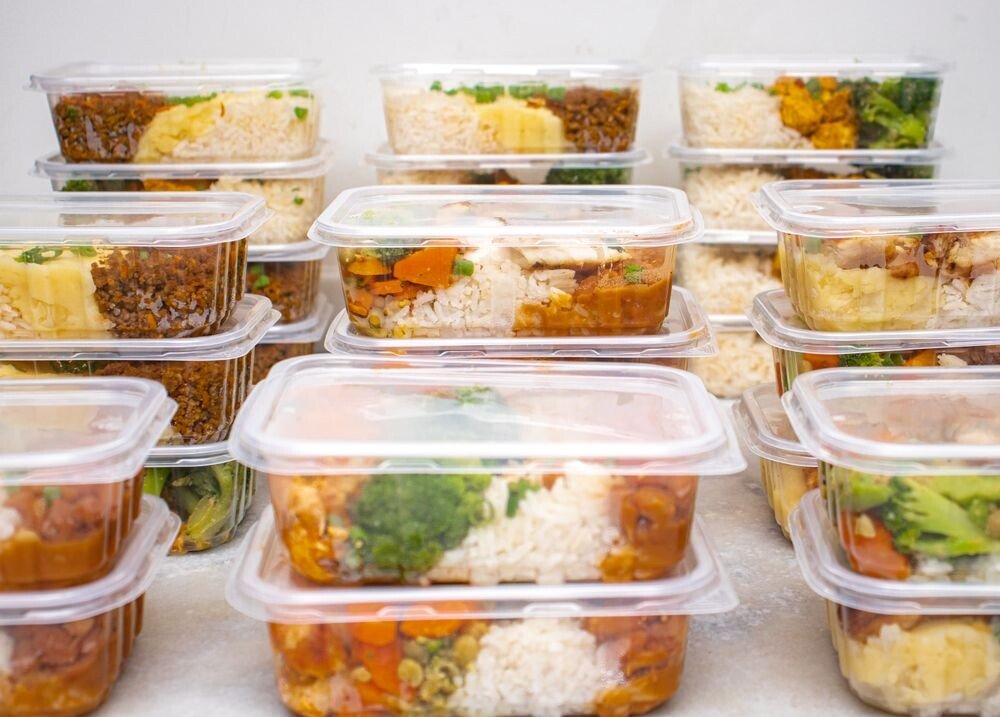
A freezer meal box looks like quiet kitchen magic, with neat bags and containers lined up like a tiny meal library. It helps on tired nights when cooking from scratch feels too hard.
Soups, sauces, marinated chicken, and cooked grains all freeze well and save future time. Use clear labels, write the date, and make portions that match your household so nothing gets wasted. This habit is a little trendy right now because more people want less takeout and fewer last-minute grocery runs.
You can make it feel personal by freezing family favorites or meals tied to good memories. The cost stays low when you cook in batches and use store-brand freezer bags or sturdy containers you already own.
3. Learn One Great Sheet Pan Dinner
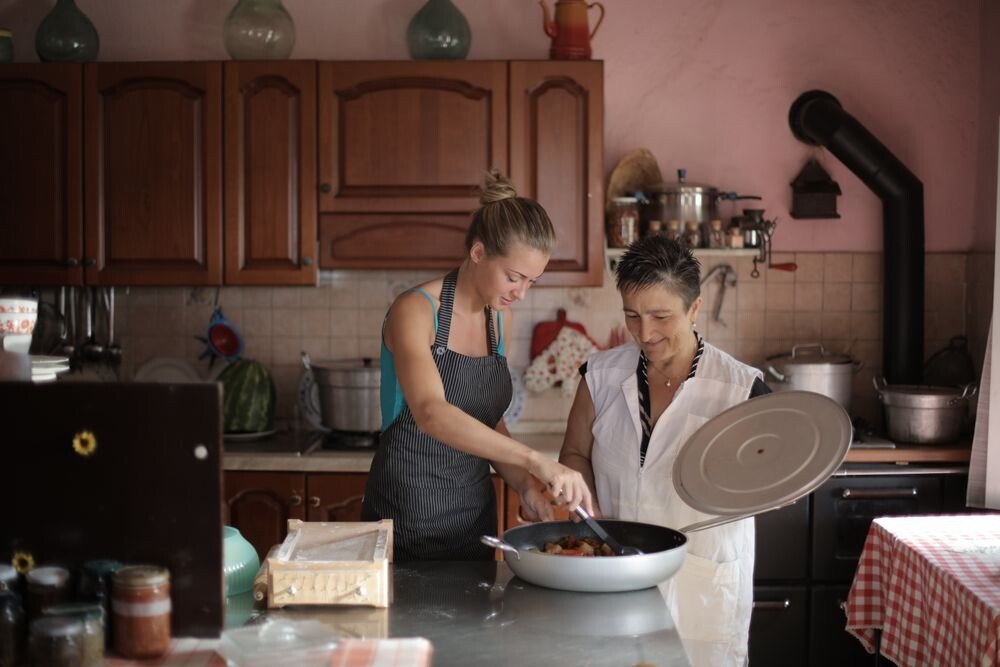
A sheet pan dinner gives a cozy look, with vegetables and protein roasting together until the edges turn golden. The best part is how simple it feels while still looking like real effort.
One pan means less washing, which is a win after a long day. Mix chicken, tofu, sausage, or fish with vegetables that roast at a similar speed, then season with garlic, lemon, paprika, or herbs. If you want more flavor, add a quick sauce after baking, like yogurt dressing or honey mustard.
This idea is easy to personalize by changing the spice blend or picking colors that make the tray look pretty. It is also budget-friendly because you can use carrots, onions, potatoes, and other low-cost vegetables that fill the pan well.
4. Start a Sauce Shelf in the Fridge

A fridge shelf lined with sauces looks bright and exciting, almost like a mini flavor shop. It can make the same plain meal feel new in a few spoonfuls.
Try keeping one creamy sauce, one tangy sauce, and one spicy sauce ready to go. Think yogurt herb sauce, salsa, tahini dressing, chili oil, or a simple vinaigrette made at home. Small jars are helpful, and many sauces can be mixed in minutes with low-cost pantry items.
This habit is unique because it lets each plate feel custom without cooking extra food. It also fits current food trends, since easy homemade condiments are having a big moment in busy kitchens.
5. Master a Simple One-Pot Pasta
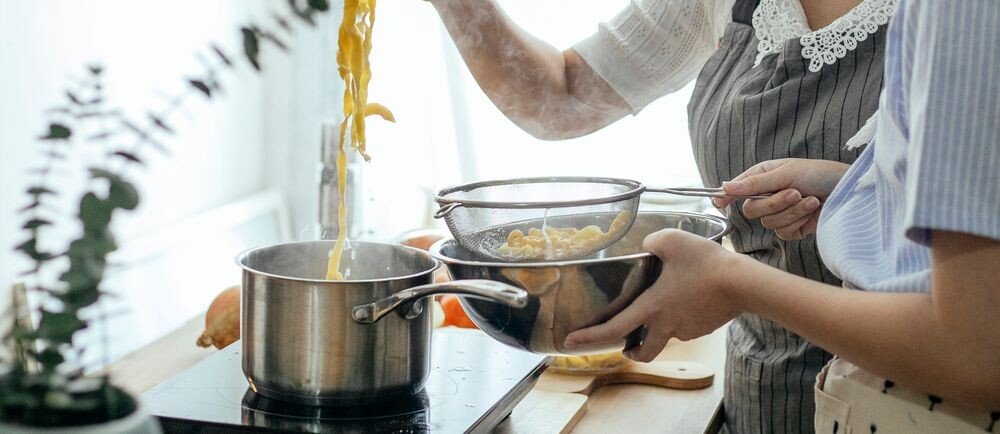
One-pot pasta looks rich and cozy, with noodles, sauce, and vegetables all simmering together in one pot. It feels like comfort food without the usual pile of dishes.
The pasta absorbs flavor as it cooks, which gives the meal a deeper taste than plain noodles and sauce. Add spinach, mushrooms, cherry tomatoes, or peas for color and texture, and finish with cheese or fresh herbs if you like. You can keep it cheap by using pantry pasta, canned tomatoes, and whatever vegetables need to be used soon.
Personalize it with sausage, beans, or a little cream for a different feel. Many home cooks love this style because it is fast, filling, and easy to make on repeat.
6. Roast Vegetables Until They Get Crispy

Roasted vegetables can look almost fancy, with browned edges and deep color that make the plate pop. The flavor becomes sweeter and stronger, which helps even picky eaters enjoy them more.
Use a hot oven, enough oil, and space on the pan so the vegetables roast instead of steam. Carrots, broccoli, cauliflower, Brussels sprouts, and sweet potatoes all work well, and a pinch of salt goes a long way. If you want a low-cost side dish, this is one of the easiest and smartest choices.
Try changing the seasoning with cumin, Italian herbs, or a little chili powder for a fresh twist. A squeeze of lemon or a sprinkle of feta can make the dish feel special without adding much work.
7. Keep Breakfast Ready for the Whole Week

Breakfast jars and trays can look neat and inviting, like a calm start waiting in the fridge. They help mornings feel less rushed and more in control.
Overnight oats, egg muffins, chia pudding, and baked oatmeal all save time later. Make them in simple containers, then add fruit, nuts, nut butter, or cinnamon based on what you enjoy most. The cost stays low when you use oats, eggs, bananas, and other basic foods that stretch well.
This idea is easy to make personal because everyone can choose different toppings or flavors. It also fits the current love for meal prep, but in a softer and more homey way.
8. Use Herbs Like a Final Touch

Fresh herbs make a plate look bright and alive, almost like a little garden on top of dinner. They add smell, color, and a clean taste that can lift even simple food.
Parsley, cilantro, basil, mint, and dill can all change a dish in a big way. Chop them right before serving, or keep them in water in the fridge so they last longer. If fresh herbs feel pricey, try growing a small pot on a windowsill or buying one bunch and using it in several meals.
You can match herbs to your mood, your season, or your favorite cuisine. A little green on top makes homemade food feel more thoughtful and current.
9. Make a Big Pot of Grains for the Week

A pot of rice, quinoa, farro, or couscous looks plain at first, but it becomes the base for many pretty meals. The grains give a soft, warm bed for vegetables, eggs, meat, or beans.
Cooking grains ahead saves time on busy days and helps leftovers feel useful. Store them in a sealed container and reheat with a splash of water so they stay fluffy instead of dry. This habit is great for saving money because grains are filling and usually cost less than many ready-made sides.
Personalize your grain bowl with broth, garlic, or a bay leaf while cooking for extra taste. It also works well with today’s meal prep style, since one batch can become lunch, dinner, or a side dish.
10. Keep a “Use It First” Drawer

A special fridge drawer for foods that need attention can look a little like a rescue zone. It helps you see what needs to be cooked before it turns sad or wasteful.
Put open cheese, soft fruit, half-used vegetables, and leftovers in that space so they stay in sight. This makes meal planning easier because you can build dinner around what is already there. It cuts waste, which means it helps both your budget and your kitchen routine.
Try adding a sticky note or small label to remind yourself what needs to be used soon. A drawer like this feels simple, but it can change the way you shop and cook each week.
11. Learn a Fast Stir-Fry Formula

A stir-fry pan can look lively and shiny, with bright vegetables and glossy sauce moving around fast. It feels exciting because dinner comes together in minutes and still looks colorful.
Start with oil, then add protein, then vegetables, then sauce, and finish with rice or noodles. This order helps the food cook well and keeps the texture crisp instead of soggy. You can keep the cost down by using frozen vegetables, small amounts of meat, or tofu with pantry sauce ingredients.
Try making it your own with sesame oil, ginger, garlic, or a squeeze of lime. Stir-fry meals fit current trends because they are quick, flexible, and easy to make with what is on hand.
They also work well for people who like bold flavors without a long recipe. Once the basic pattern feels natural, it becomes one of the easiest dinners to repeat.
12. Bake Once, Eat Twice
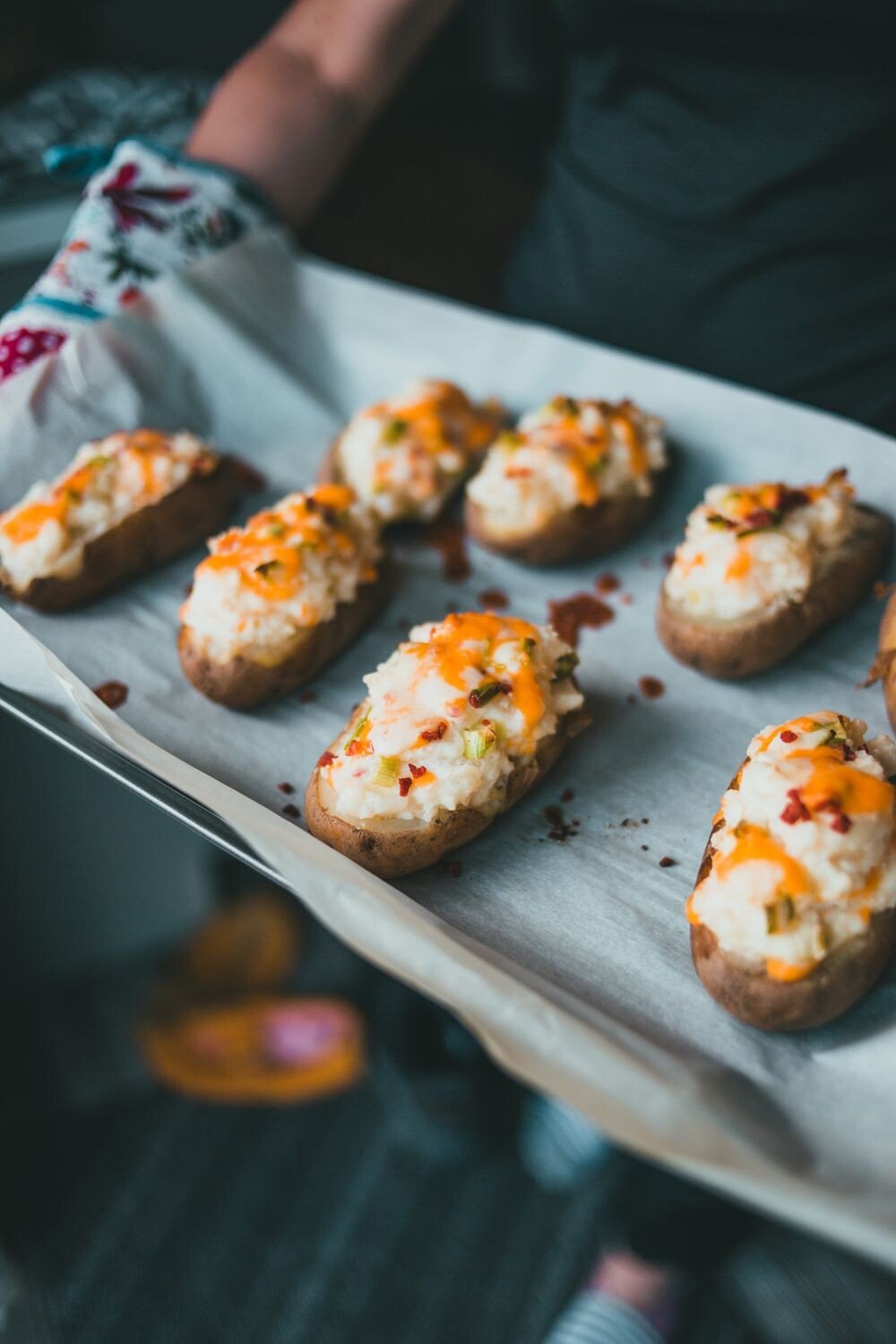
A tray of baked chicken, salmon, or tofu can look plain at first, but it becomes the base for more than one meal. This idea feels smart because one cooking session turns into several different plates.
Serve part of it right away, then save the rest for wraps, salads, rice bowls, or pasta. That keeps dinner from feeling repetitive while still making good use of your time. It is also a money saver because you get more meals from one grocery trip.
Change the flavor by using different sauces or sides each day, like pesto one night and salsa the next. A simple protein batch can make a week feel much easier and more organized.
13. Keep a Snack Board Ready

A snack board looks cheerful and inviting, with fruit, cheese, crackers, nuts, and dips arranged in a pretty mix. It feels special without needing a full recipe or a long cooking time.
Snack boards are great for after school, movie night, or a light dinner when everyone wants something different. Use what is already in the pantry and fridge, and add one or two fresh items to make the board feel full. This can be a low-cost way to feed a crowd because small amounts of many foods go a long way.
You can personalize the board around a theme, like sweet, savory, or crunchy. It is a fun trend because it makes everyday food feel social and easy to share.
14. Make Homemade Salad Kits

Homemade salad kits look crisp and neat in clear containers, with layers of greens, toppings, and dressing kept separate. They make lunch feel ready before hunger even hits.
Prep lettuce, chopped vegetables, protein, seeds, and dressing in advance so everything stays fresh. When it is time to eat, just shake or toss the container and enjoy. This saves money compared with store-bought kits and gives you more control over taste and portion size.
Use your favorite colors and textures to make the kit feel personal, like crunchy cucumbers, sweet corn, or creamy avocado. This idea is especially useful for anyone who wants more homemade meals without extra cooking later.
It also fits the clean, fresh food style that is popular right now. A good salad kit can make healthy eating feel simple instead of strict.
15. Keep a Go-To Comfort Soup on Repeat

A pot of soup on the stove looks warm and comforting, with steam rising and vegetables floating in a rich broth. It can make the whole kitchen feel calm and cared for.
Choose one soup you know well, like chicken noodle, lentil, tomato, or vegetable soup, and make it often enough to remember the steps. Soup is friendly to low-cost ingredients, and it stretches well with beans, potatoes, pasta, or rice. A big pot also gives you leftovers that taste even better the next day.
Make it yours with extra garlic, lemon, herbs, or a swirl of cream if you like a softer taste. Comfort soup stays popular because it is simple, filling, and easy to adjust for the season or your mood.