Small money choices can brighten ordinary days. A calmer wallet often means a calmer mind.
1. Make Coffee At Home

Fresh coffee in your own kitchen can feel warm and comforting, especially when sunlight hits the mug on a quiet morning. The smell, the steam, and the simple routine can make the day feel more in your control.
This habit saves a little money every day, and those small gains can add up fast. You can make it feel special by using a pretty cup, a flavored creamer, or a simple jar of cinnamon on the counter. If you like trends, try a cold brew bottle, a reusable filter, or a small milk frother for a café-style touch without the café price.
2. Pack Lunch From Home

A lunch bag with colorful fruit, a sandwich, or leftovers can look simple, but it can also feel like a smart win. Many people enjoy opening a bag at noon and seeing food they already like and trust.
Bringing lunch can cut daily spending and also help you eat with more care. You can make it personal by adding your favorite snacks, using containers with bright lids, or planning meals around foods already in your kitchen. A good lunch routine can also fit busy workdays, school days, and remote work days without much fuss.
Try making extra dinner on purpose so lunch is ready by morning. That one move can save time, reduce waste, and keep you from ordering food when you are tired. If you want to keep it fun, switch up sauces, wraps, or grain bowls so the same basic idea still feels fresh.
3. Use A Simple Shopping List
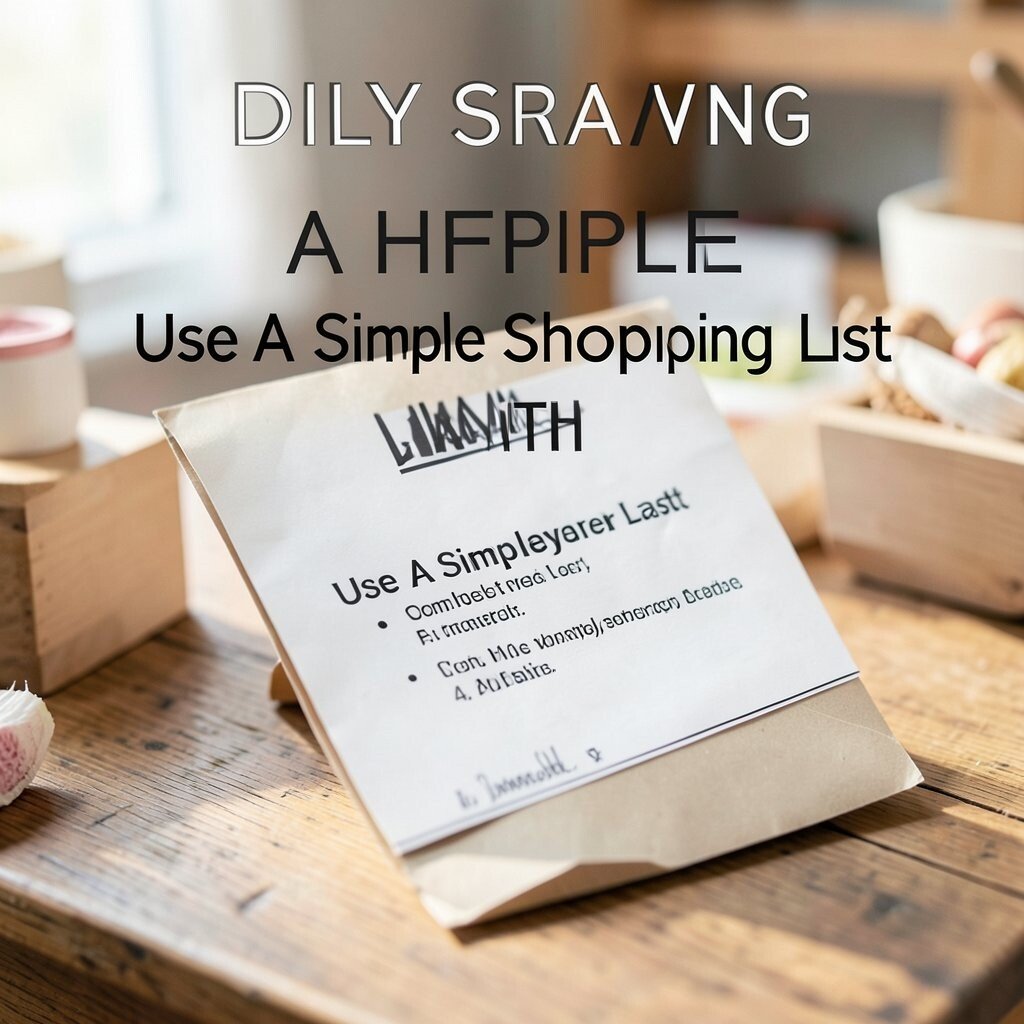
A short list in your hand or phone can make a store trip feel calm instead of messy. It keeps your eyes focused on what matters and helps the cart stay lighter.
This is one of the easiest ways to stop spending on random things you did not plan to buy. Make the list fit your home, your habits, and the season, such as soup items in cold months or picnic foods in warm weather. You can even group items by store aisle to move faster and avoid extra temptation.
Many shoppers now use note apps, shared family lists, or grocery reminders with alerts. Pick the style that feels easy so you will keep using it week after week. The best list is the one that matches your life, not someone else’s perfect system.
When the list is clear, the trip feels shorter and less stressful. That can leave more room for peace, patience, and better choices at the checkout line.
4. Cancel One Thing You Do Not Use
Unused subscriptions can sit on your screen like clutter in a drawer. They may look small, but they quietly nibble at your budget month after month.
Canceling one service can give you an instant feeling of relief. Look at streaming apps, game passes, beauty boxes, or extra memberships you barely remember, and keep the ones that truly bring value. If you want a personal approach, ask yourself which service you would miss first, not which one sounds nice in theory.
Many people now review monthly charges with a simple phone screenshot or bank app check. That tiny habit can reveal hidden spending and help you make cleaner choices. You might even free up money for savings, a treat, or a goal that matters more.
Pick one unused item and remove it today. A cleaner bill list can feel as neat as a tidy shelf.
5. Keep Spare Change In One Place
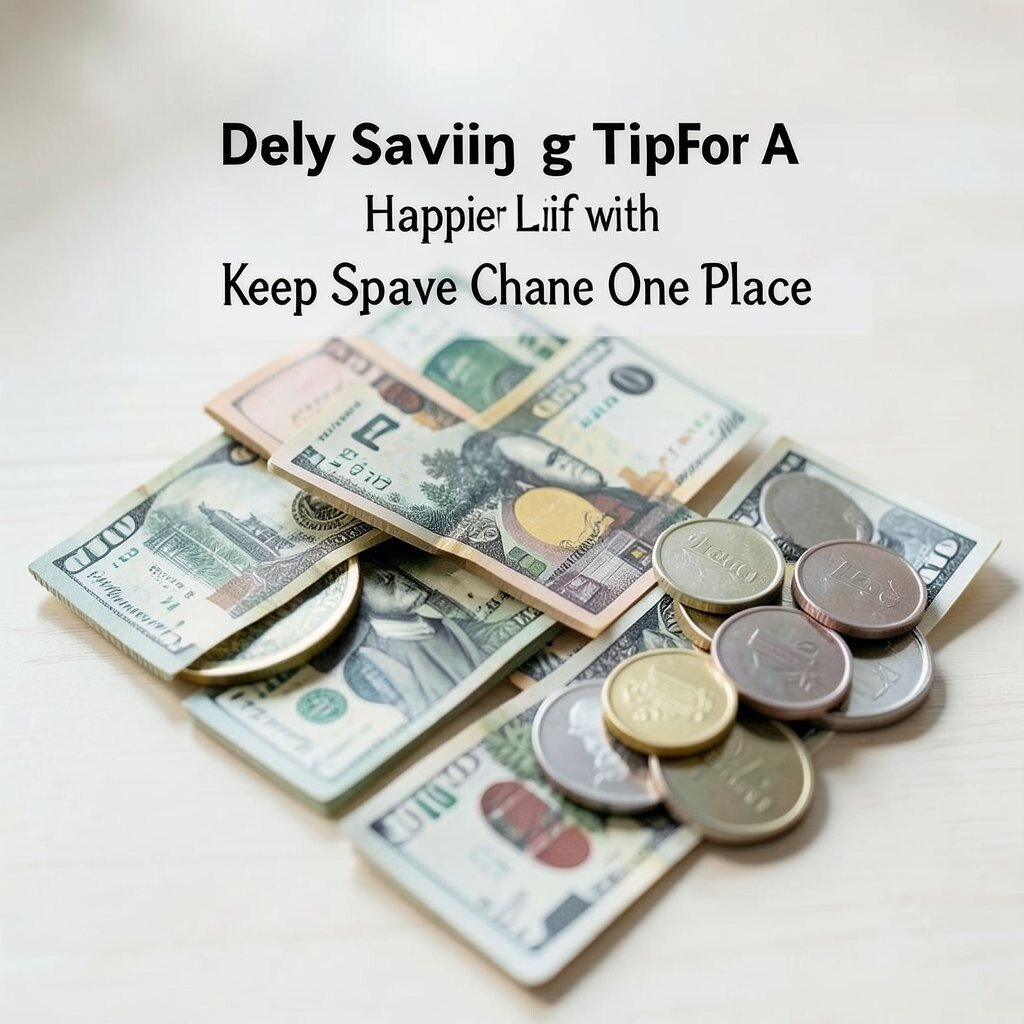
A small bowl, jar, or tin by the door can turn loose coins into a happy little habit. Seeing it often can remind you that even tiny amounts matter.
Save every coin, and watch it grow into money for parking, snacks, or a small need. You can personalize the container with stickers, paint, or a label that says what the money is for. If you like simple trends, some people now use clear jars so the growing pile feels exciting and easy to track.
This habit is gentle, low-cost, and easy to start right now. It works for adults and kids, and it can build pride without pressure. You can empty the jar once it fills and move the cash into a savings envelope or bank account.
The best part is how visible it feels. That little sparkle of coins can make saving seem friendly instead of hard.
6. Walk Or Bike For Short Trips

A short walk down the sidewalk can clear your head while saving money on gas or transit. A bike ride can feel breezy and lively, with the wind, trees, and street sounds turning an errand into a small reset.
This choice helps your body, your mood, and your budget at the same time. Start with simple trips like the corner store, a nearby coffee run, or a visit to a friend close by. If you want a personal touch, use a bright water bottle, a comfortable backpack, or a reflective bag strap that matches your style.
More people are using walking and biking for daily life because it feels practical and healthy. You do not need fancy gear to begin, just safe shoes and a route that feels good. If the trip is too far, try combining errands so the car stays parked more often.
Even one fewer drive can save fuel and wear on your vehicle. That can leave more money for the things that really matter to you.
7. Buy Less But Better

A sturdy bag, a solid pair of shoes, or a strong kitchen tool can feel satisfying in your hands. Good items often look simple, but they last longer and work better.
Choosing quality can lower repeat spending and reduce clutter at home. Before you buy, think about how often you will use it and how long you want it to last. You can personalize this habit by focusing on your real needs, your favorite colors, or the style that fits your daily routine.
This idea fits a current shift toward fewer but more useful purchases. Many people now prefer items that can be repaired, reused, or kept for years. That kind of thinking can make shopping feel calmer and more thoughtful.
You may pay more at first, but the cost per use can be much lower. A well-made choice can bring comfort, confidence, and less regret.
8. Turn Off Lights And Unplug Extras
A dark room with only the needed lamp can feel cozy and quiet. The small glow can make the space look tidy and peaceful.
Turning off lights and unplugging devices may lower your electric bill without much effort. You can make it part of a nightly routine, like checking the kitchen, bedroom, and living room before bed. For a personal touch, use a bright power strip, a reminder note, or a family game to see who spots the most wasted energy.
This habit works well in homes with many chargers, game systems, and small appliances. Current trends around energy saving make it even more useful because people want lower bills and simpler living. It is a small move, but it can bring steady results over time.
The room may look cleaner, too, with fewer cords and lights left on for no reason. That calm feeling can make bedtime easier and mornings more peaceful.
9. Plan One Free Activity Each Week

Not every good day needs a ticket or a pricey outing. A park bench, a library visit, or a backyard game can feel bright and fun in a simple way.
Planning free fun helps you enjoy life without draining your wallet. Think about your local area and pick things that match your mood, like reading, sketching, window shopping, or a picnic with snacks from home. You can make it special by inviting a friend, choosing a favorite playlist, or taking photos of pretty places near you.
Many families now look for free events, museum days, and community concerts. These choices can feel fresh and social while keeping costs down. They also help you build memories that are not tied to spending a lot of money.
The best free activity is one you will actually do. When it fits your personality, the savings feel natural instead of forced.
10. Use Cash For One Budget Area
Cash in a small envelope can make spending feel clear and real. Seeing bills leave your hand can slow you down in a helpful way.
Pick one area, such as snacks, fun, or takeout, and use only the cash you set aside. When the envelope is empty, the spending stops until the next refill. You can personalize the system with colorful envelopes, labels, or a small folder that feels neat and easy to carry.
This method is simple and still popular because it gives fast feedback. It can help people who want more control without learning a complex budget app. If you want a softer start, choose a low-stress category first and grow from there.
Cash budgeting can also make each purchase feel more thoughtful. That extra pause often leads to happier choices and fewer money regrets.
11. Repair Before Replacing
A torn shirt with a neat patch or a loose chair fixed with a screwdriver can have a charming, lived-in look. Repairs can give items a second life and a bit of character.
Fixing things often costs less than buying new ones. Start with small problems like a button, a wobbly handle, or a scuffed bag strap. You can personalize the repair with thread color, fabric patches, or tape in a style that suits your taste.
Repair culture is growing again because people want less waste and more value. Simple tools at home can make a big difference, and many local shops or online videos can help with easy fixes. This habit also teaches patience and skill, which can feel rewarding on its own.
When something works again, it feels like a little win. That sense of care can make your home and your budget feel stronger.
12. Shop Your Home First

A pantry shelf, a closet, or a drawer full of supplies may already hold what you need. Looking there first can feel a bit like opening a treasure box you forgot about.
This habit keeps you from buying duplicates and wasting money. Before shopping, check for food, soap, paper goods, craft items, or gift supplies already waiting at home. You can make it fun by arranging a “use first” bin or taking a quick photo of what you have so it is easy to remember.
People who do this often find more space and less clutter, which can make rooms feel brighter. It also helps with current trends around mindful buying and simple living. The goal is not to have less for the sake of it, but to use what you own with more care.
Shopping your home first can also spark creativity. A forgotten ingredient or old notebook may become useful again in a new way.
13. Set A Tiny Auto-Savings Move

A small automatic transfer can work quietly in the background like a helpful assistant. You may not even notice it at first, but your savings will begin to grow.
Starting tiny makes the habit less scary and more doable. Set aside a little from each paycheck, birthday gift, or side gig payment and let it move on its own. You can personalize the amount so it feels safe, and later raise it if your budget has room.
Many banks and apps now make automatic savings very easy to set up. That trend is useful because it removes guesswork and helps busy people stay consistent. Even a tiny move can protect future plans, emergencies, and peaceful sleep.
Once it is running, the habit needs very little attention. That quiet progress can feel like a small secret cheering you on.
14. Batch Similar Tasks
A grouped set of errands can feel smoother than jumping from one task to another. The day seems less scattered when your mind has one clear focus at a time.
Batching saves money by cutting extra trips, fuel use, and time spent on the move. You can pair shopping with banking, or laundry with bill checking, so the work happens in one neat block. To make it personal, choose a weekly rhythm that matches your energy, such as slow mornings or busy afternoons.
This approach fits well with modern busy lives because it lowers stress and saves mental effort. Many people use calendar alerts and phone reminders to keep the plan simple. It can also make chores feel shorter, since you are already in the right mode for each one.
When your tasks are grouped, your day can feel less heavy. A tidy plan often leads to a calmer mind and a better use of money.
15. Give Every Dollar A Small Job

Money feels easier to manage when each dollar has a purpose. A budget page or app with clear labels can look neat, colorful, and surprisingly comforting.
Assigning jobs helps you stay mindful about spending, saving, and giving. You can split money into needs, fun, savings, and future plans in a way that fits your life. Make it personal by choosing category names that feel friendly, such as “home comfort,” “rainy day,” or “joy fund.”
This method matches a growing trend toward simple budgets and clear goals. It can also help couples, roommates, and families talk about money in a calmer way. When every dollar has a place, you may feel more in charge and less unsure.
The habit also makes choices easier at the store or online. Instead of wondering where the money went, you already know what it is meant to do.