
Small work habits can change a whole day. A better mood often starts at your desk.
1. Start With a Calm Morning Setup
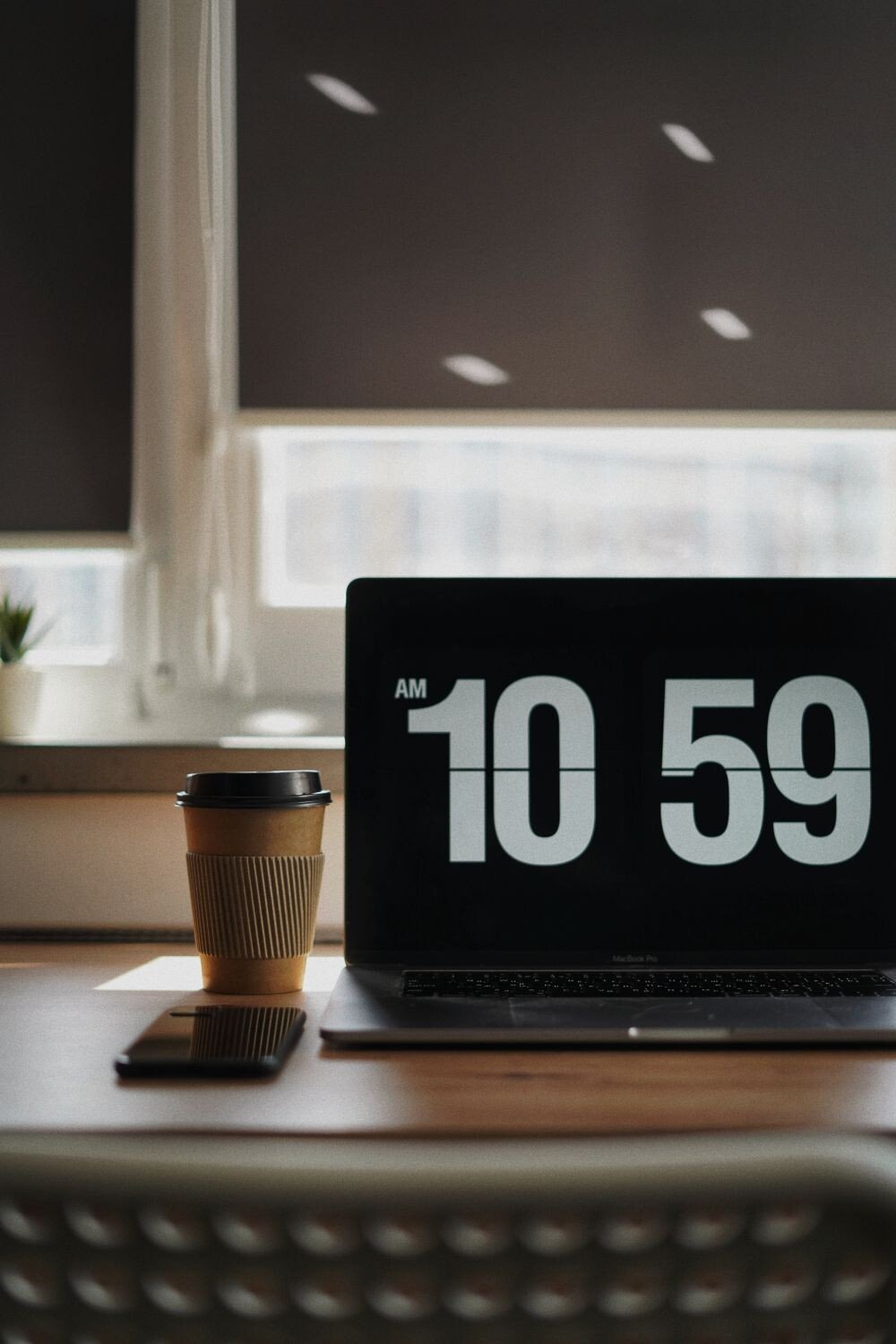
A tidy desk can feel like a deep breath before the day begins. When your screen, notebook, and water bottle are in easy reach, your mind feels less crowded.
Try spending a few quiet minutes setting up your space before the rush starts. Some people like a bright plant, a soft lamp, or a favorite mug to make the spot feel warm. This habit costs very little, and it can be shaped to fit a home office, a shared room, or a busy work desk.
2. Make a Short Task List That Fits Real Life

A short list can feel lighter than a long one that stares back at you all day. It helps you see the path ahead without making work feel huge.
Write only the tasks that truly matter, and leave room for the unexpected. You can use paper, a phone app, or a wall board, depending on what feels easiest. Many people now use simple digital planners, but a plain sticky note still works well and costs almost nothing.
Keep the list small enough to finish with confidence. If you like color, use bright pens or icons to make the page feel friendly and fun. A list that matches your style is easier to follow and more likely to bring a smile.
3. Take a True Break Away From the Screen

Your eyes and brain need a rest, not just a pause while you keep staring at the same page. A real break can feel like opening a window in a stuffy room.
Stand up, stretch, sip water, or look outside for a minute. Even a short walk to the kitchen can help your body wake up and your thoughts settle down.
Some workers keep a small break basket with tea, gum, or a stress ball nearby. This habit is easy to personalize, and it does not need to cost much at all. In a time when screens fill so much of the workday, this simple pause can feel fresh and rare.
4. Keep Your Workspace Bright and Pleasant

Light can change the whole mood of a room. A sunny desk or a soft lamp can make work feel less heavy and more alive.
Try facing a window, adding a lamp, or using a light-colored desk mat. A clean view and a few small touches, like a photo or a tiny plant, can make the space feel like yours. If you rent or share space, even a small change like a clip-on light can make a big difference without a big price.
5. Begin the Day With One Easy Win

Starting with a task you can finish fast builds happy momentum. It gives you proof that the day is already moving in the right direction.
This first win might be answering one email, filing one paper, or cleaning one folder. The best choice is something simple enough to finish without stress but useful enough to matter. Many people like to pick a task that clears visual clutter, because a cleaner desk can make the whole day feel calmer.
You can make this habit your own by choosing a morning win that fits your job style. If you work with people, it might be sending a kind message. If you work alone, it might be opening the project you have been avoiding.
6. Use Friendly Time Blocks
Time blocks can keep the day from feeling like one long blur. They break work into neat pieces that are easier to understand.
Set aside a block for focused work, a block for messages, and a block for planning. You do not need fancy tools; a basic timer, calendar, or notebook can do the job. Many people like digital calendar blocks now because they are simple to move around when plans change.
Pick block lengths that match your energy, not someone else’s. Short blocks may feel best if you get tired fast, while longer ones may suit deep thinkers. The goal is not strict control but a smoother day with less stress.
7. Keep Water Close and Drink Often

A water bottle on your desk is a small thing with a big effect. It is a quiet reminder to care for yourself while you work.
Dehydration can make you feel tired, foggy, and cranky, so regular sips can help your mood and focus. Choose a bottle you enjoy using, such as a clear one with marks, a metal one that stays cold, or a bright one that makes you smile. This habit is cheap, simple, and easy to keep once the bottle becomes part of your routine.
Some people set a phone reminder, while others keep water near the keyboard so it is easy to reach. You can add lemon, mint, or fruit slices if plain water feels boring. A little flavor can make the habit feel special without adding much cost.
8. Tidy One Small Area Before Lunch

A small cleanup can reset your brain in a gentle way. It makes the desk look less busy and the next task feel less scary.
Put away papers, close extra tabs, and toss trash before you eat. You do not need a full deep clean; just one neat corner can help a lot. This habit works well in shared offices too, where a tidy space can make everyone feel more comfortable.
Some people like to use a small tray, drawer divider, or basket to hold loose items. These tools are useful, but they do not have to be expensive. A clean and simple setup is part of a current trend toward calm, uncluttered work spaces that feel easy on the eyes.
9. Speak Kindly to Yourself After Mistakes

Everyone makes mistakes at work, even the careful ones. A kind inner voice can turn a rough moment into a learning moment.
Instead of saying harsh things to yourself, try a softer line like, “I can fix this,” or “I will do better next time.” That small shift can lower stress and help you stay steady. It also makes it easier to keep going instead of getting stuck in shame.
You might keep a note on your desk with a helpful phrase that feels true to you. Some people use humor, while others prefer calm words or a short quote. Personal support like this costs nothing and can feel more powerful than any fancy office tool.
10. Add a Tiny Joy to the Workday

A little joy can brighten even an ordinary afternoon. It might be a song, a snack, a funny sticker, or a favorite pen.
Choose one small treat that feels safe and easy to enjoy during work. The goal is not to distract yourself all day, but to give your brain a pleasant moment to look forward to. Many people now build mini-joy routines into their day because they help work feel more human.
Try matching the joy to your mood or task. If the job feels dull, use a colorful notebook. If the day feels tense, a soft playlist or warm tea may help more. This habit is unique because it can be as simple or creative as you want.
11. Protect Your Focus With Clear Boundaries

Focus gets easier when other people know your work time matters. Boundaries can make the day feel calmer and less jumpy.
Close extra apps, mute alerts, and tell coworkers when you need quiet time. If you work from home, a sign, a closed door, or headphones can send a clear message. These tools do not cost much, but they can save a lot of mental energy.
You can personalize boundaries to fit your job and your life. Some people check messages on a set schedule, while others use do-not-disturb modes for deep work. Clear limits are a growing trend because they help people stay focused without feeling rude.
12. Move Your Body During the Day

Your body was not made to sit still forever. A little movement can wake up your muscles and lift your mood.
Stretch your arms, roll your shoulders, or walk around the room for a minute. If you can, take the stairs or step outside for fresh air. Even small movement can help you feel less stiff and more awake.
Some people keep a gentle stretch card near the desk or use a phone app for short movement breaks. Others prefer dancing for one song or doing a few squats beside the chair. The best choice is the one you will actually do, and it does not need special gear or a gym membership.
13. End the Workday With a Clear Shut-Down Routine
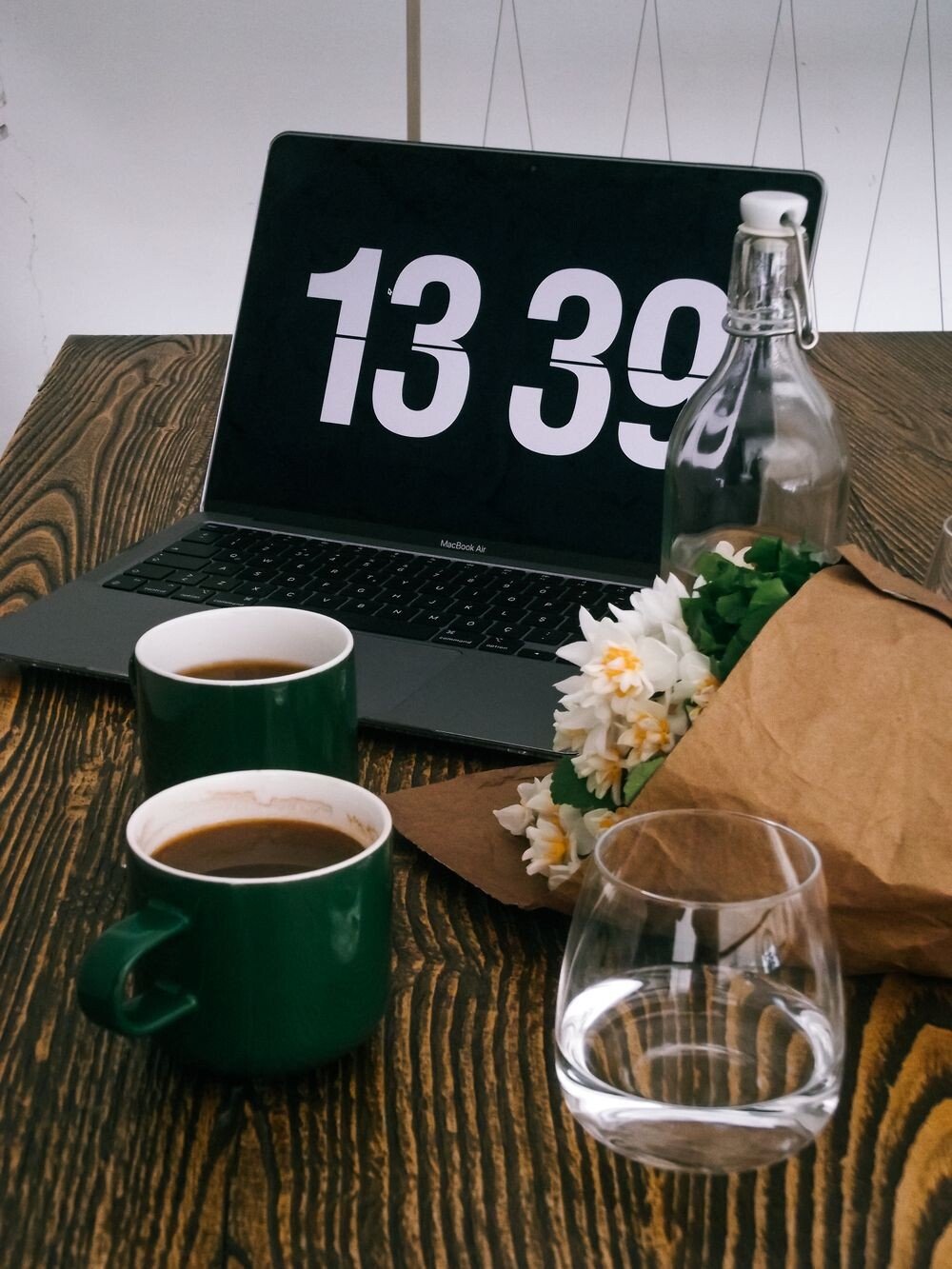
A closing routine helps your brain know the workday is done. That can make the evening feel softer and more peaceful.
Save your files, write tomorrow’s first task, and clear your desk a little before you stop. This small ritual can keep unfinished thoughts from following you home. It also gives your space a neat, finished look that feels good to return to later.
Some people like a set song, a quick desk wipe, or a final check of their calendar. Others use a lamp switch or a notebook close-up as a signal that work is over. These tiny cues are easy to personalize and free to use.
14. Keep Learning in Small Pieces
Learning does not have to mean long classes or big plans. Tiny lessons can make work feel fresh and keep boredom away.
Read a short article, watch a quick training clip, or practice one new skill for a few minutes. This habit can help you feel more capable and more interested in your job. It also fits modern work trends, where people often learn in short bursts between tasks.
Pick topics that match your role and your goals, such as better writing, better speaking, or better tools. You can use free resources, low-cost courses, or library materials to keep expenses low. A little learning each day can add up in a very real way.
15. End the Day With One Good Thought
Before you leave work, notice one thing that went well. It could be a task you finished, a kind word you gave, or a problem you handled with care.
This habit trains your mind to see progress instead of only pressure. You may write the thought in a notebook, say it out loud, or keep it in your head during the ride home. A simple habit like this can soften the edges of a hard day.
Make it personal by choosing the kind of win that matters most to you. Some days it will be speed, and other days it will be patience or courage. A happy work life often grows from these small moments of noticing what is already good.