
Family life teaches in quiet ways. Some lessons arrive late, after the rush has already passed.
1. Make Family Meals a Daily Anchor
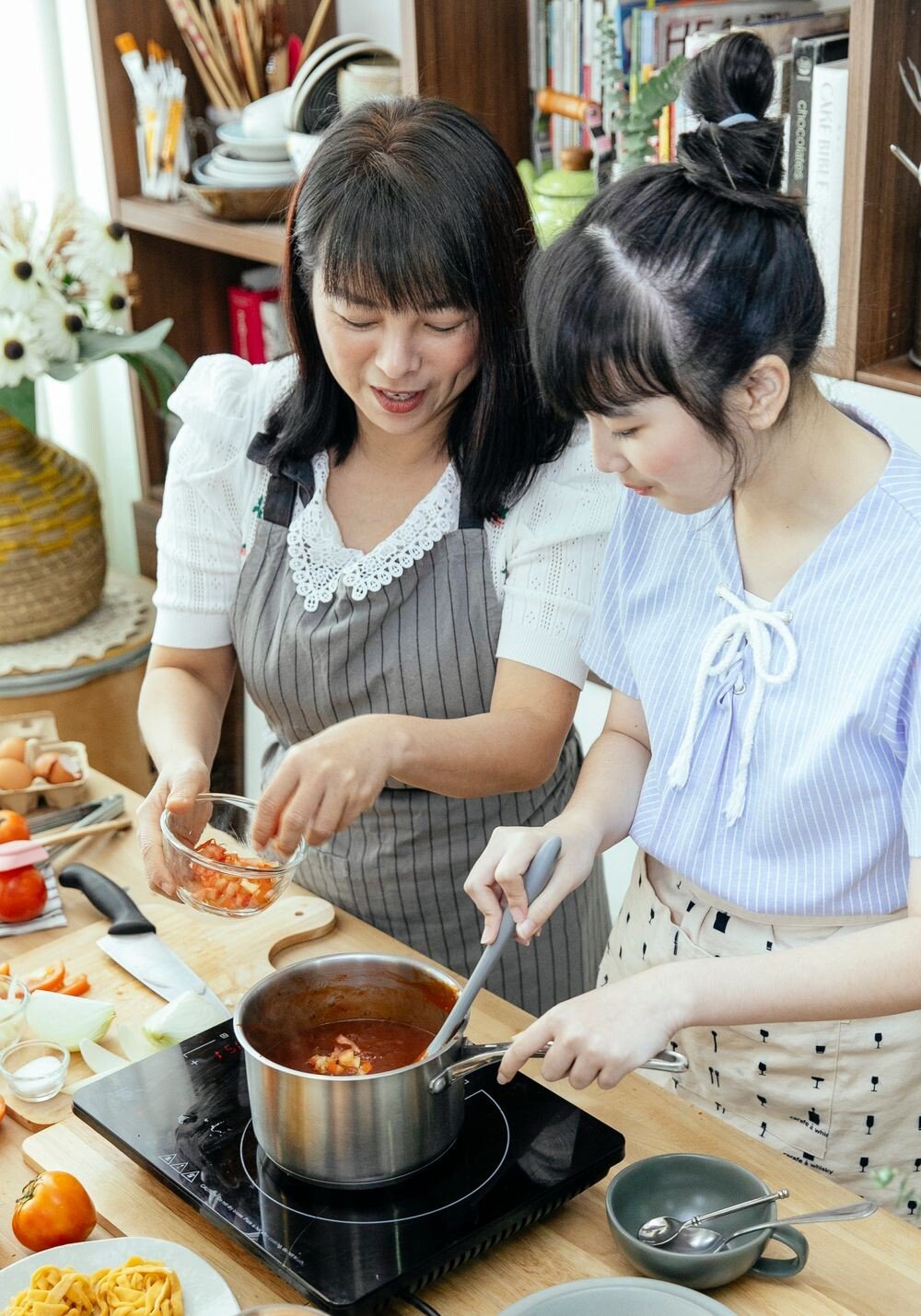
A simple meal at the table can feel like a warm light in a busy home. Plates, napkins, and shared bowls create a scene that helps everyone slow down.
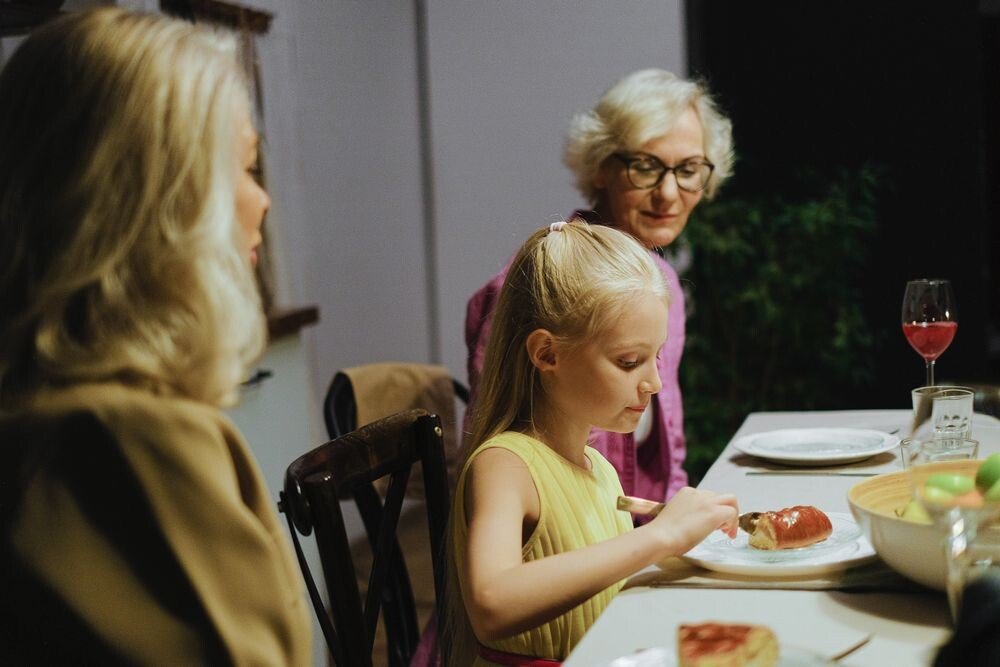
Family meals give kids a safe place to talk and help adults notice small changes in mood. They can be low-cost too, since rice, soup, pasta, and seasonal produce stretch well and still feel special. Many families now keep meals flexible with build-your-own bowls, which makes it easier to fit picky eaters and busy schedules.
2. Keep a Home Photo Story

Printed photos on a shelf or wall can turn a plain room into a memory path. A mix of old snapshots, school pictures, and candid phone prints gives the home a personal look.
This habit helps children see where they came from and feel part of something bigger. It also gives women a chance to save moments before they get lost in a camera roll, and photo books can be made on a budget with simple online services. A popular trend is using small gallery walls or clip strings, which can be changed as the family grows.
Try adding short notes beside each picture, like the date or a funny quote. That small touch makes the display feel warm and unique. It also helps kids remember stories long after the day itself fades.
3. Teach Kids to Help in Real Ways
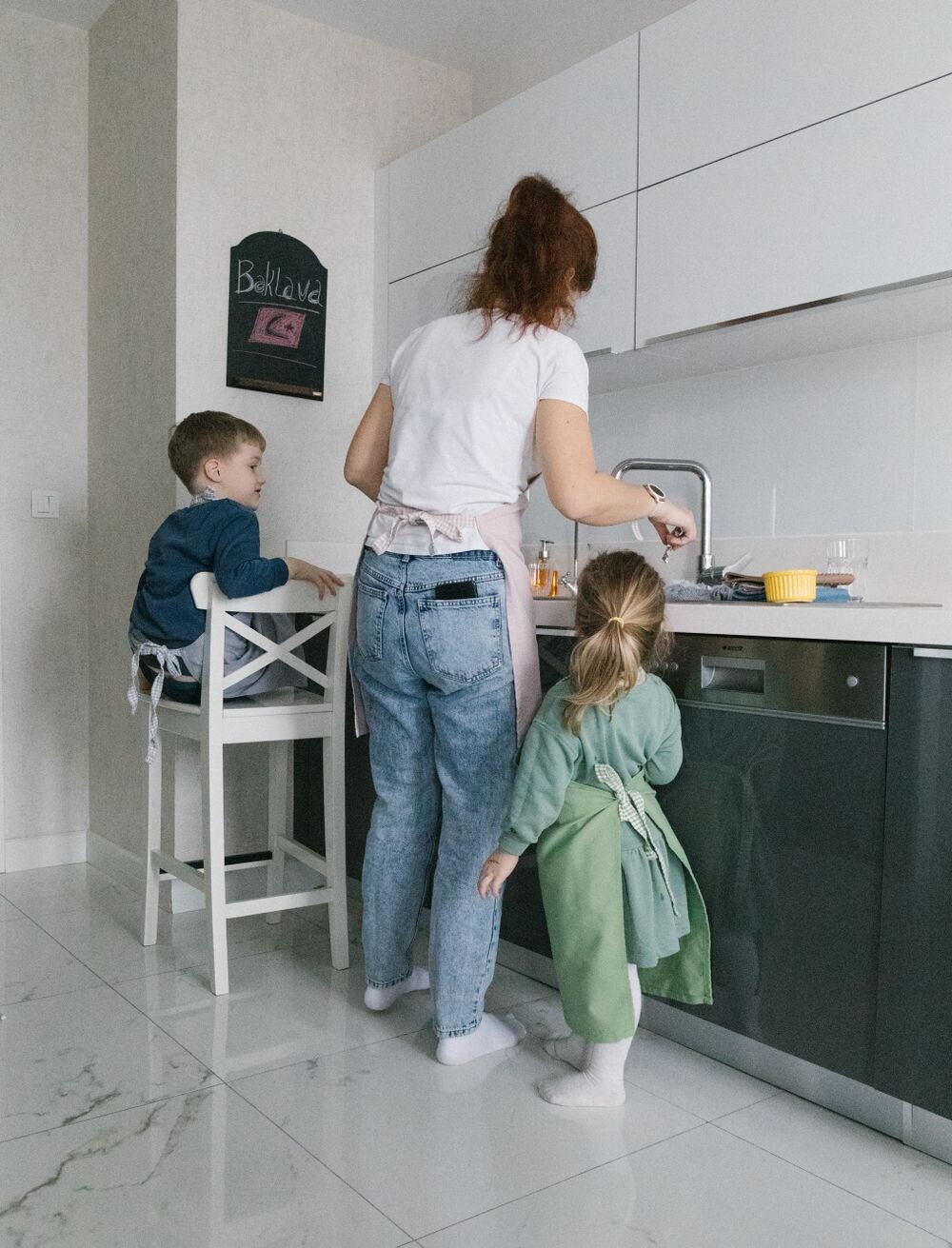
Chores are not just about a clean house. They are a way to build teamwork and show children that every person matters.
Small jobs like folding towels, setting cups, or watering plants teach confidence. They also save time for parents, and many families use simple charts or color-coded bins so the system feels clear and calm. A growing trend is to make chores part of a playful routine, with music, timers, or tiny rewards that keep the mood light.
Keep the tools easy to reach so kids can do the work without extra fuss. A low shelf, a small broom, or labeled baskets can make a big difference. When children help in a real way, they feel proud and capable.
4. Protect One-on-One Time
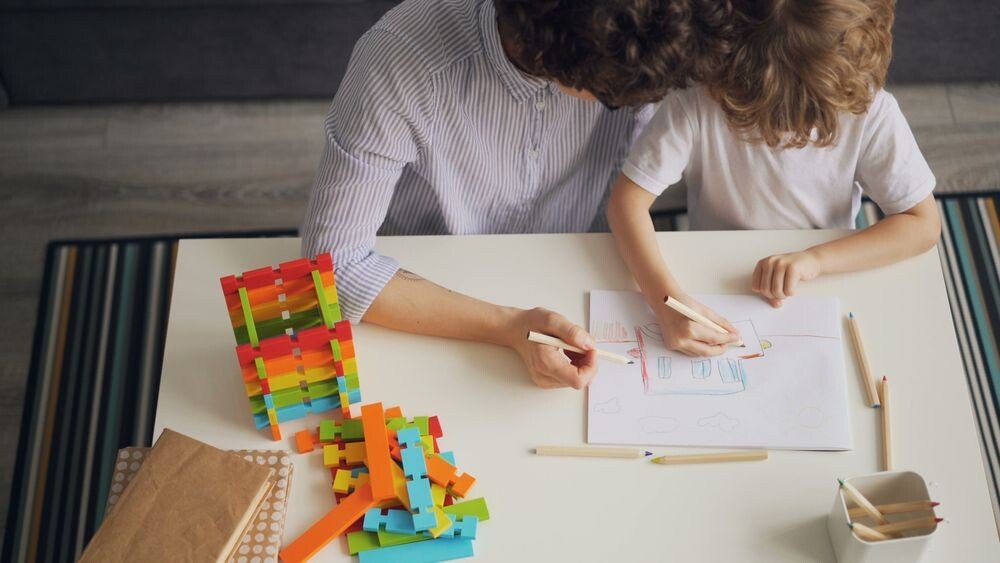
One child at a time can shine in a way that gets lost in a crowd. Even a short walk, a snack run, or a bedtime chat can feel deeply special.
This habit helps children open up without competing for attention. It also gives women a chance to notice each child’s unique likes, fears, and dreams, and the cost can be almost nothing if the time is simple and home-based.
5. Share Family Stories Often

Stories about grandparents, first jobs, hard seasons, and funny mistakes give family life a strong voice. They can make an ordinary kitchen feel rich with history.
When women tell these stories early, children learn values without feeling lectured. The stories also make family members feel seen, and you can personalize them with old recipes, letters, or voice recordings saved on a phone. Many families now use simple memory jars or short bedtime stories to keep the habit alive.
Choose stories that match the child’s age and mood. A silly tale may work better at breakfast, while a deeper one may fit a quiet evening. These moments build trust in a gentle, lasting way.
6. Build a Calm Corner at Home
A soft chair, a blanket, and a basket of books can turn one small spot into a peace zone. The look can be simple and cozy, with warm colors and soft light.
This space gives everyone a place to reset after a hard day. It can lower stress, help with big feelings, and cost very little if you use what you already have. A current trend is to make these corners more personal with sensory items, family photos, or a small plant.
Let each child help choose one item for the corner. That makes the space feel theirs, not just another room rule. A calm corner works best when it feels welcoming instead of strict.
7. Plan for Busy Weeks Before They Begin

A weekly plan can keep the whole house from spinning out of control. A wall calendar, a phone reminder, or a shared app can make the week look easier at a glance.
Women often wish they had started this sooner because it saves time and reduces last-minute stress. It also helps with cost control, since meal plans, errands, and school needs can be grouped instead of handled in a rush. Many families now use shared digital calendars, while others still love a paper board in the kitchen.
Make the plan fit your real life, not a perfect one. Leave room for tired days and surprise changes. A flexible system is usually stronger than a fancy one that no one uses.
8. Let Kids See Healthy Boundaries
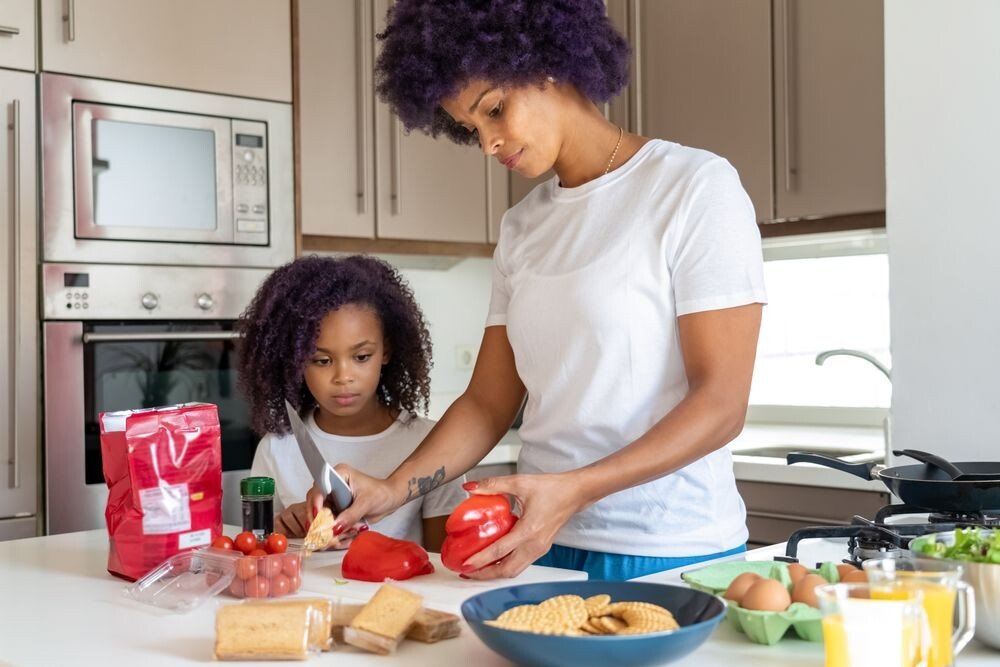
Boundaries can look calm and kind, not cold or harsh. A firm voice, a steady face, and clear words show children what respect sounds like.
When women set limits early, the home often feels safer and less tense. Kids learn that everyone has needs, and that saying no can be wise, not mean. This lesson costs nothing, yet it can save years of stress by reducing confusion and power struggles.
Use simple phrases that stay the same each time. That helps children know what to expect and lowers the chance of long arguments. Boundaries become easier when they are clear, steady, and fair.
9. Keep Traditions Small and Real
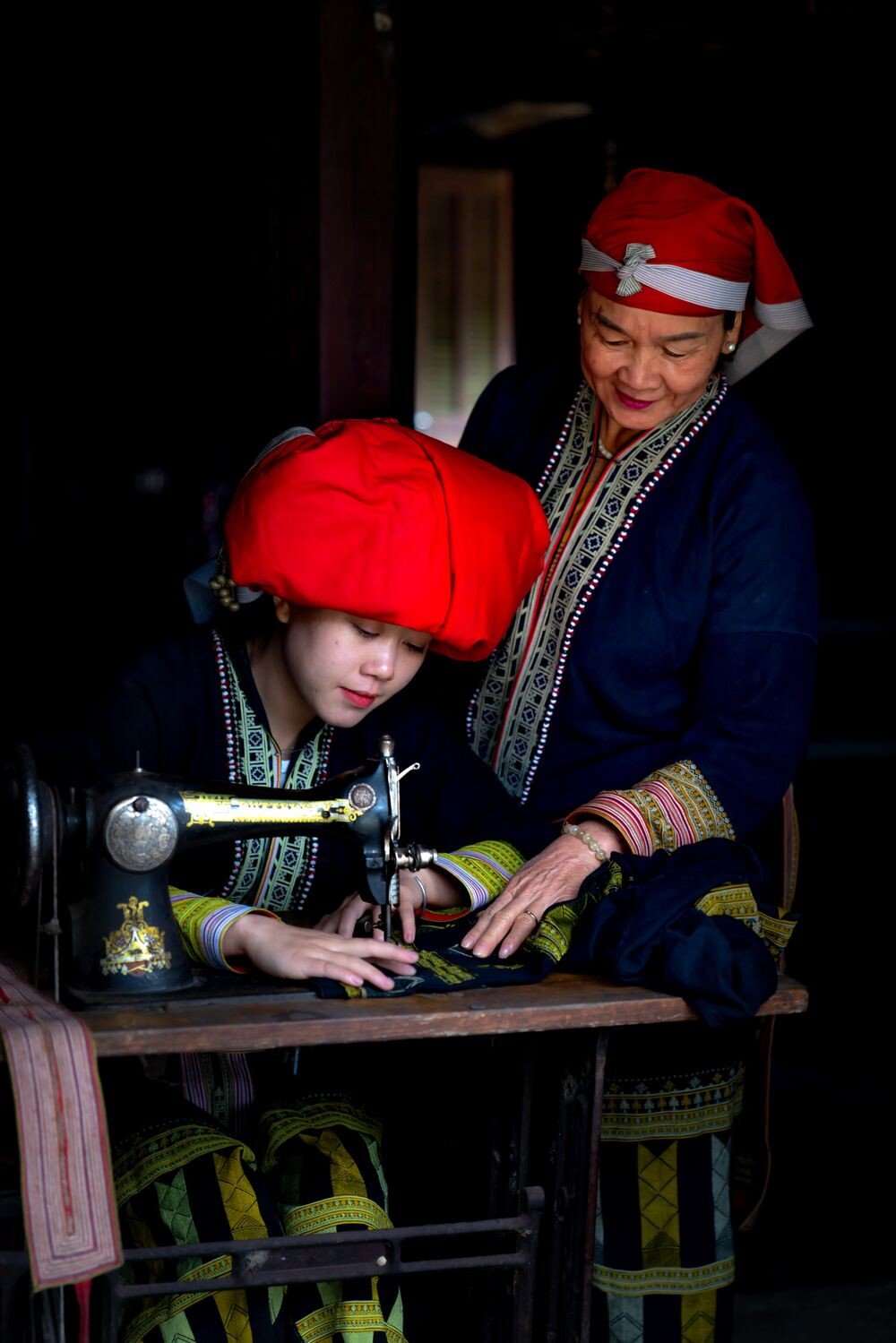
Traditions do not need to be grand to matter. A pancake breakfast, a Friday movie, or a birthday song in the same silly voice can become treasured family markers.
These tiny habits give children something steady to hold onto. They also make home feel unique, and they can be adjusted to fit budgets, work hours, or changing ages. A current trend is to create mini traditions around seasons, like a fall walk or a spring picnic, instead of waiting for big holidays.
Pick traditions that feel easy enough to repeat. If a ritual is too expensive or stressful, it may fade fast. The best ones are simple, warm, and full of meaning.
10. Teach Money in Everyday Moments
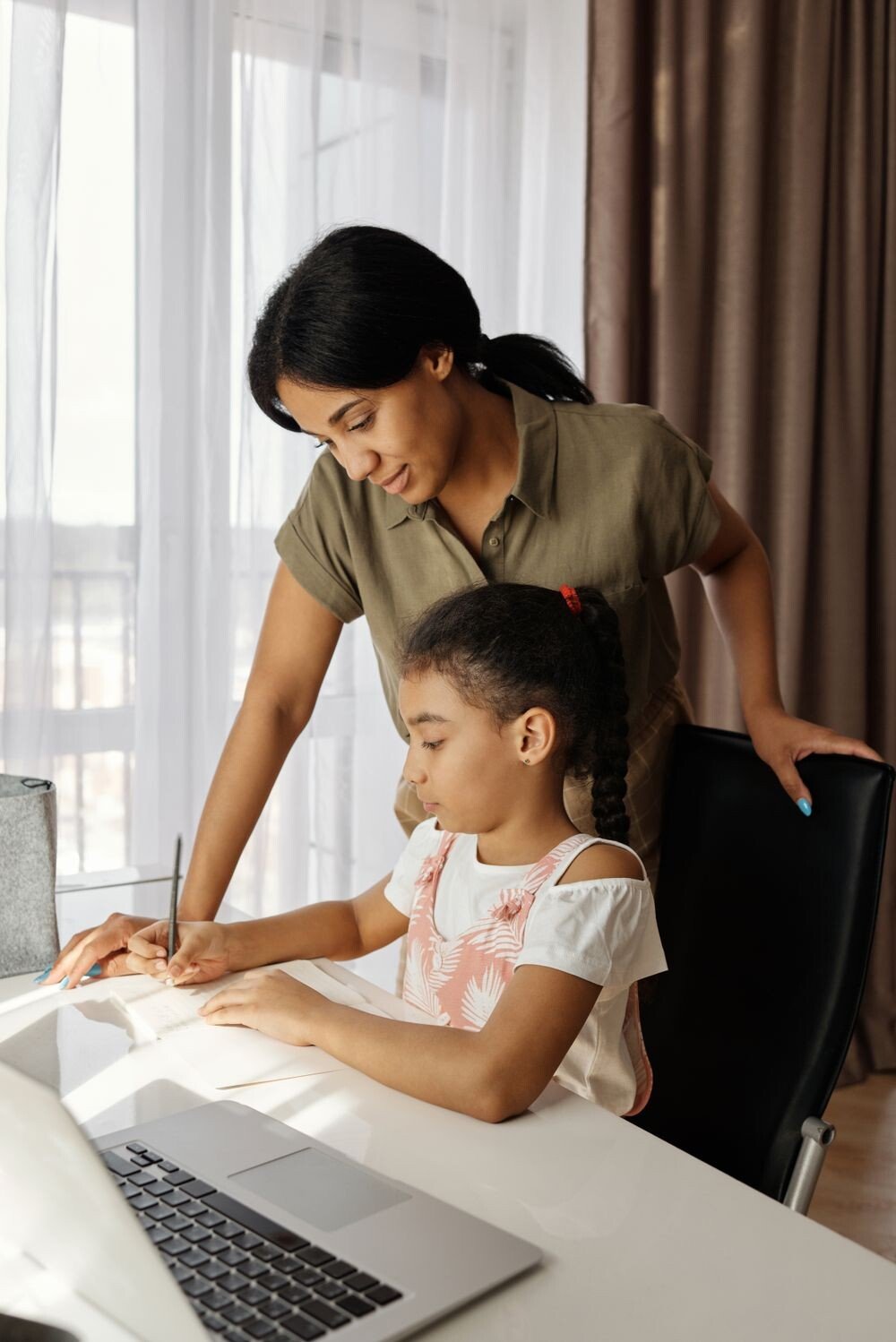
Money talks can happen while shopping, cooking, or planning a birthday treat. A grocery aisle can become a classroom without feeling like one.
When women start these lessons earlier, kids grow up with less fear and more common sense. They learn how to compare prices, save for wants, and understand that nice things can still fit a budget. Many families use clear jars, simple allowance systems, or kid-friendly savings apps to make the idea easy to see.
Let children help choose between two options so they practice thinking, not just listening. Small choices build strong habits over time. This makes money feel like a tool, not a worry cloud.
11. Make Room for Rest Without Guilt

Rest can look like a quiet nap, a slow cup of tea, or sitting in the car for one more minute before going inside. The image is simple, but it can feel like a gift.
Many women wish they had learned earlier that rest is part of caring for a family, not a reward after everything is done. It helps patience, mood, and health, and it can be free if you protect small pockets of time. A current trend is to treat rest like a family value, with everyone having quiet time instead of only one person carrying the load.
Tell children that rest is normal and useful. When they see adults pause without shame, they learn to do the same. That lesson can shape a calmer home for years.
12. Ask for Help Before You Are Empty
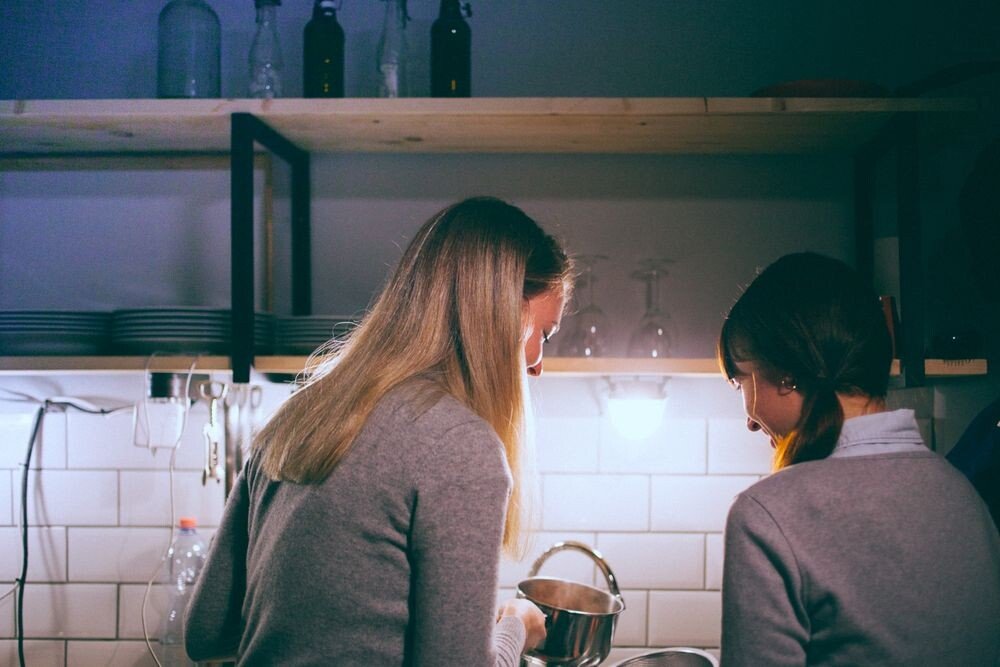
Support works best when it is asked for early. A neighbor, relative, friend, or parent group can make a hard week feel much lighter.
Women often wait too long because they want to seem strong, but family life runs better with shared hands. Help can be practical, like a meal or ride, and it can also be emotional, like a kind call or honest chat. The cost is often low, since many people are glad to trade time, favors, or encouragement.
Make a short list of people you trust before an emergency happens. That way, reaching out feels less awkward when the day gets rough. Asking early is not weakness; it is smart care.
13. Celebrate Progress, Not Just Big Wins
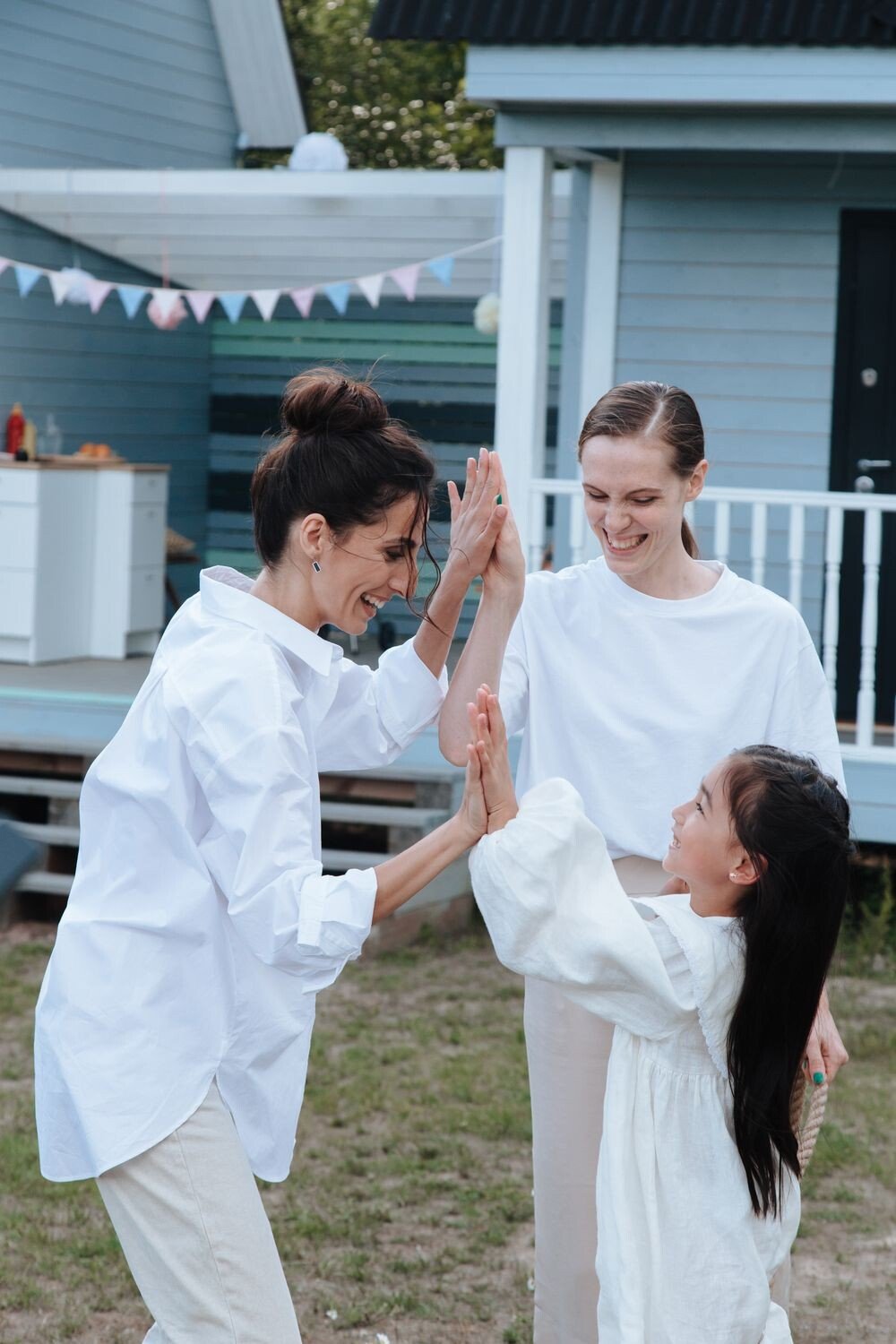
A child’s small effort can be worth a cheer. A tidy backpack, a brave try, or a kind apology can light up a room.
When women notice progress early, kids learn that growth matters more than perfection. This makes the home feel safer and more joyful, and it can be personalized with praise notes, sticker charts, or a family “good news” jar. The trend toward gentle encouragement fits this lesson well because it keeps focus on effort and learning.
Try to name the exact thing you liked. That helps children understand what they did well. Clear praise can build confidence without turning everything into a big show.
14. Keep Learning Together
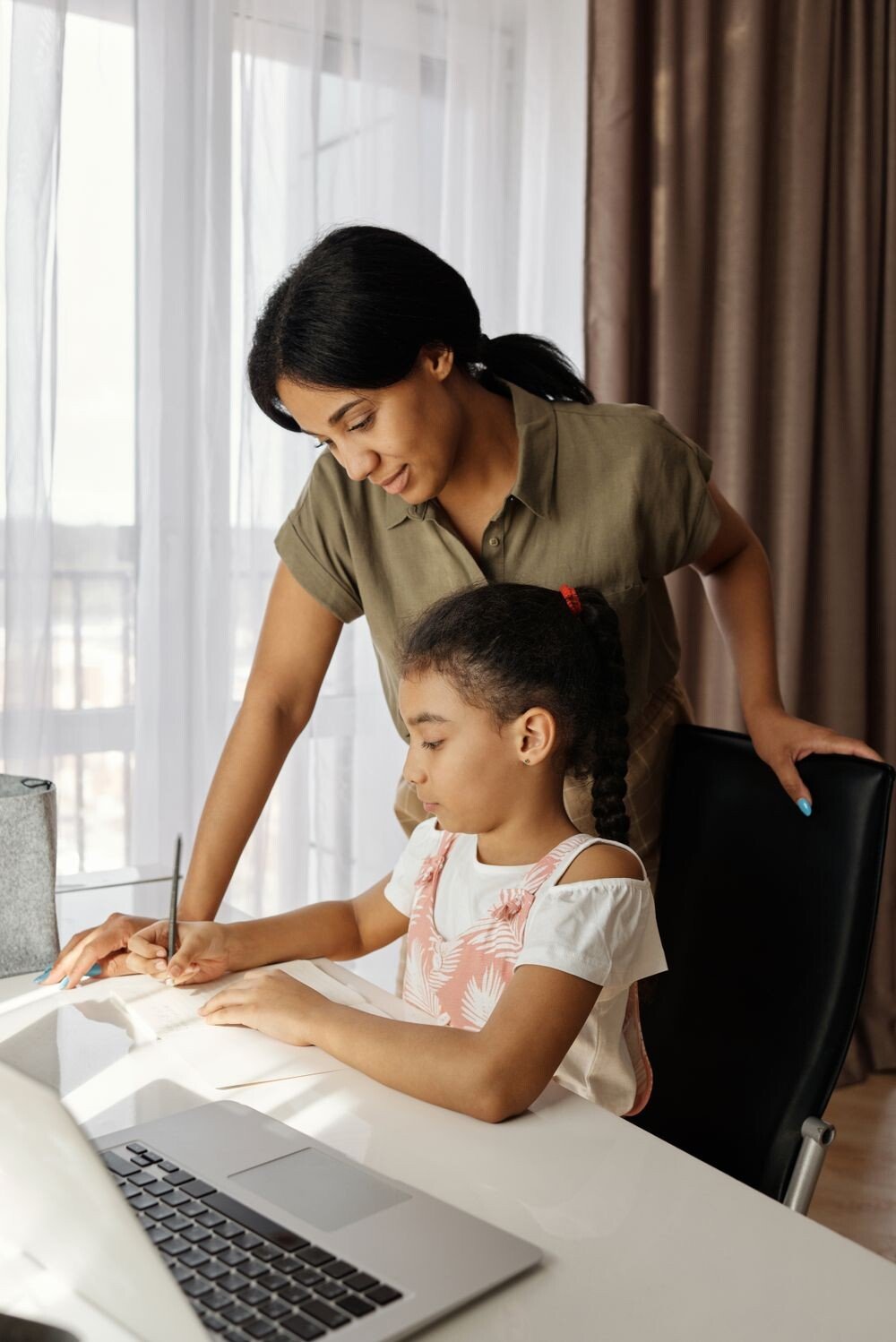
Family learning can happen in the car, at the park, or around the dinner table. A book, a podcast, a craft, or a science kit can turn an ordinary evening into something lively.
This habit helps kids see curiosity as a normal part of life. It also gives women a chance to share interests and build new ones, and many learning tools are affordable if you use libraries, borrowed games, or free online lessons. A popular trend is family hobby time, where everyone works on the same project in their own way.
Choose topics that match your family’s real interests, not what looks impressive online. A child who loves bugs may enjoy a backyard search more than a fancy lesson. Learning feels best when it feels playful and personal.
15. Talk About Feelings in Plain Words

Feelings can be named with simple words like mad, sad, scared, proud, or worried. When a home uses clear words, emotions feel less scary and less messy.
Women often wish they had started this earlier because it helps everyone handle hard moments with more care. Children learn how to speak up instead of acting out, and adults can stay calmer too. It costs nothing, and it can be personalized with feeling cards, mirror practice, or bedtime check-ins that fit your family’s style.
Use everyday moments to model the habit, like saying, “I feel tired, so I need a quiet minute.” That kind of honesty teaches kids that feelings are normal and manageable. Over time, plain words can build a home that feels honest, kind, and strong.