
Small family habits can change the mood of a whole home. The best ones are easy to start and hard to forget.
1. A Shared Morning Greeting

A simple hello at the start of the day can feel like opening a bright window. It may be a wave from the kitchen, a hug by the door, or a cheerful “good morning” with sleepy smiles.
This tiny habit helps everyone feel seen before the day gets busy. Kids often act calmer when they know someone noticed them, and adults can feel less rushed too. You can make it personal with a favorite phrase, a silly handshake, or a quick note on the fridge, and it costs nothing at all.
2. A Family Snack Spot
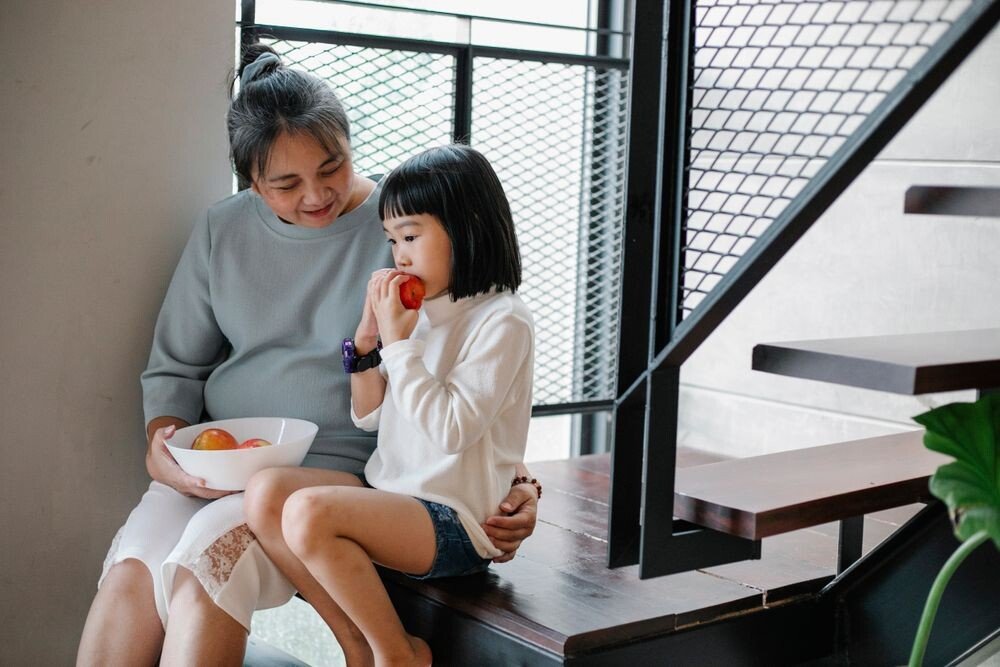
A small basket or tray of snacks can turn a plain counter into a warm gathering place. Picture apples, crackers, or cut fruit in clear bowls that make the kitchen look bright and tidy.
This setup saves time because hungry people do not have to ask again and again what is available. It also gives everyone a chance to make a choice, which feels good and builds confidence. Many families now use reusable containers and labeled jars, since that looks neat and cuts down on waste.
You can change the snack spot by season, adding oranges in winter or berries in warmer months. If money is tight, simple foods in plain containers work just fine and still feel thoughtful. A little color from napkins or a small cloth can make the whole area feel special.
3. A Couch Check-In
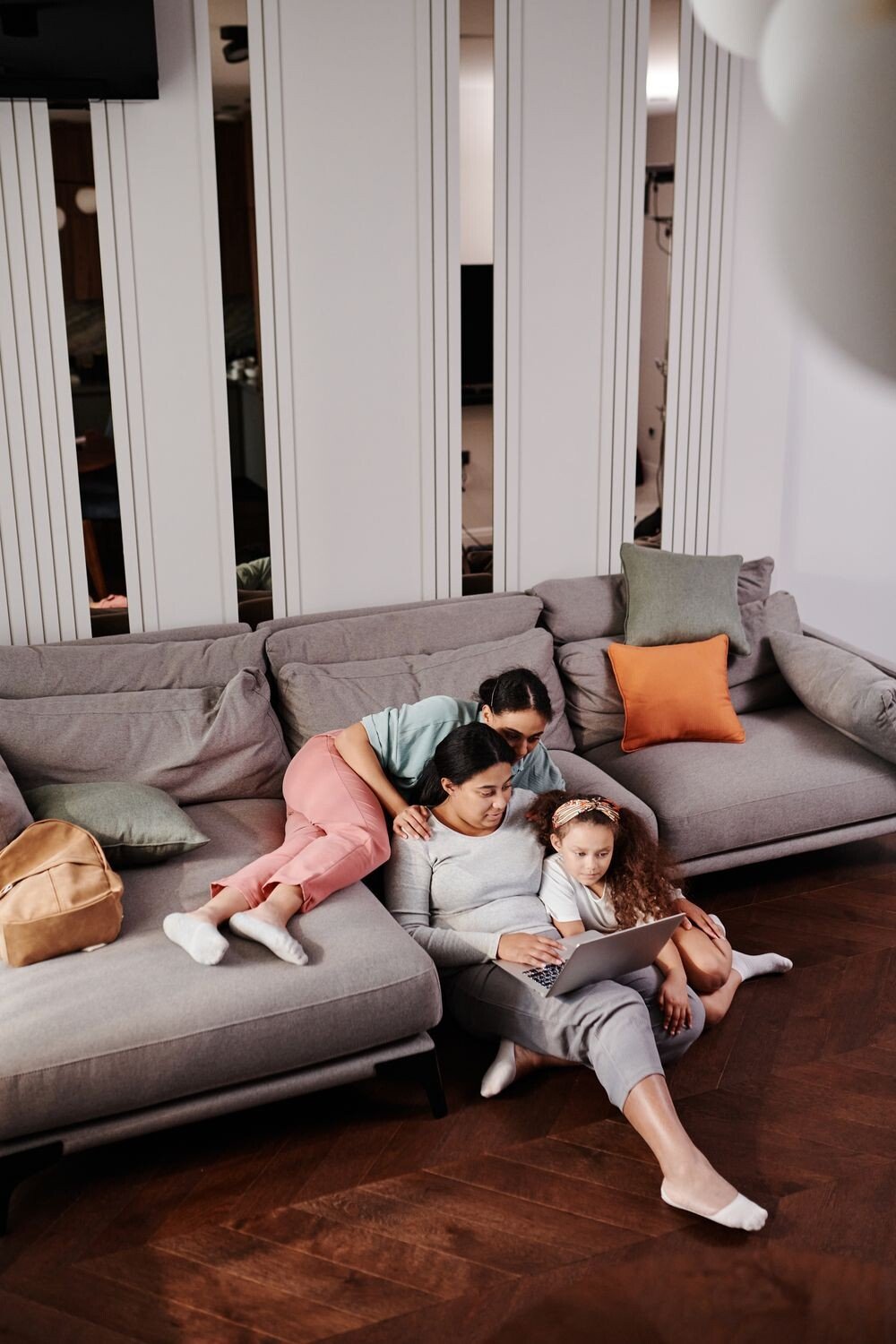
Sitting together for a few quiet minutes on the couch can become a soft pause in a busy day. The room may be filled with lamp light, blankets, and the sound of someone setting down a backpack.
During this check-in, each person can share one good thing and one hard thing from the day. That helps everyone listen better and care more, even on tired evenings. You can keep it short or add a favorite drink, and the only cost is a little time.
Some families like to use a cozy pillow or a special throw blanket to make the moment feel different from regular screen time. If your home is small, even the edge of a bed or a kitchen bench can work well. The key is making the space feel calm and safe so talk comes easier.
4. A Shared Chore Chart
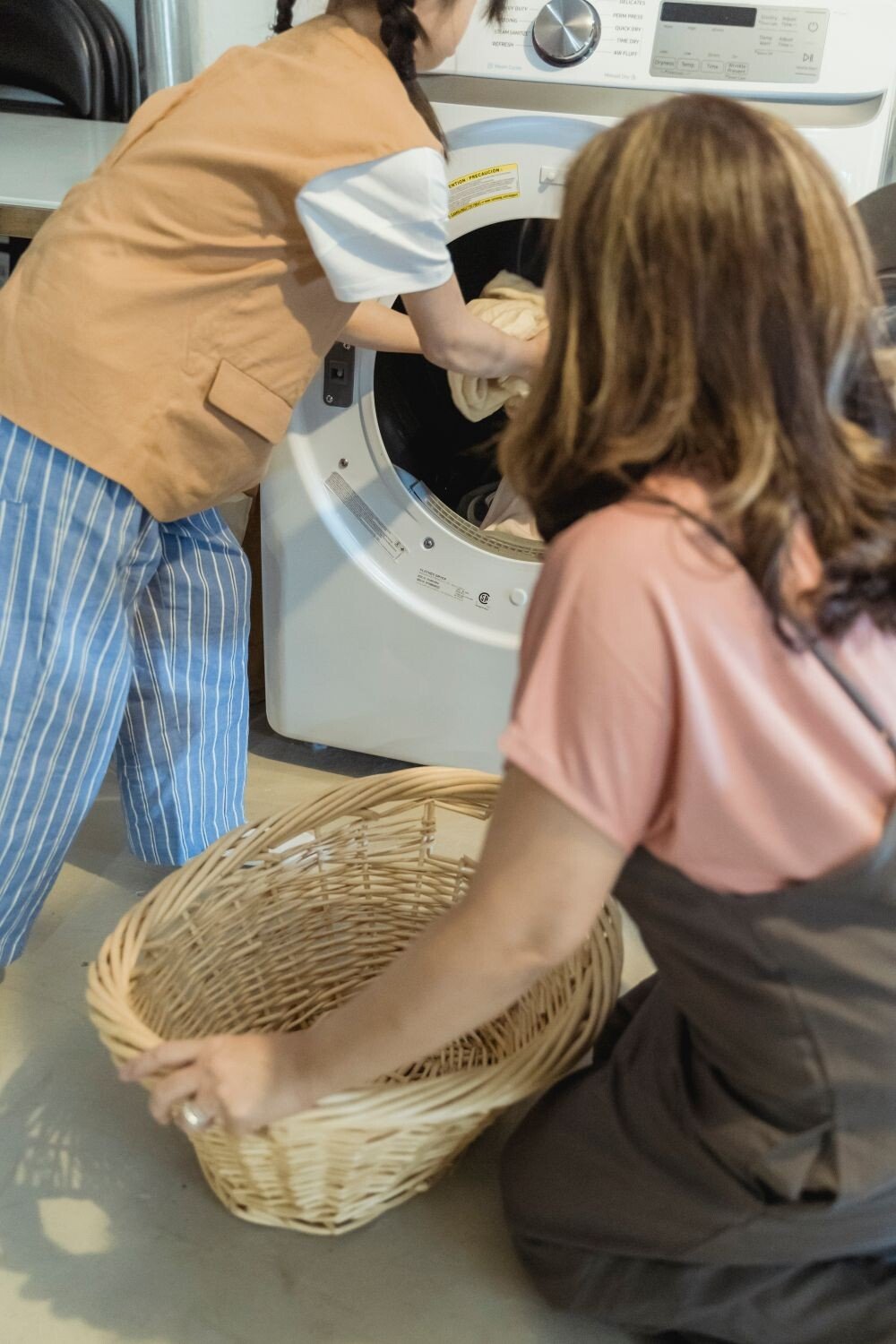
A clear chore chart can make a home feel less messy and more fair. It may hang on a wall with bright stickers, simple words, or boxes that get checked off.
This little tool helps kids know what to do without being reminded all the time. It also gives adults a better view of what needs help, which can cut stress and arguments. Many families like magnetic boards or dry-erase charts because they are easy to change and do not cost much.
5. A Weekly Walk Together

A walk around the block can feel like a tiny trip with fresh air and easy conversation. Trees, sidewalks, and front porches can look different each week, which keeps it interesting.
Walking side by side often makes talking feel simpler than sitting face to face. People may share school news, work worries, or funny thoughts without pressure. You can make the walk personal by choosing a favorite route, and it is one of the cheapest family habits around.
Some families use this time to notice birds, clouds, or colorful flowers, which adds a playful feel. Others bring a dog or a stroller, making the walk fit real life better. If the weather is bad, a mall, hallway, or indoor track can keep the habit going.
6. A Family Photo Wall
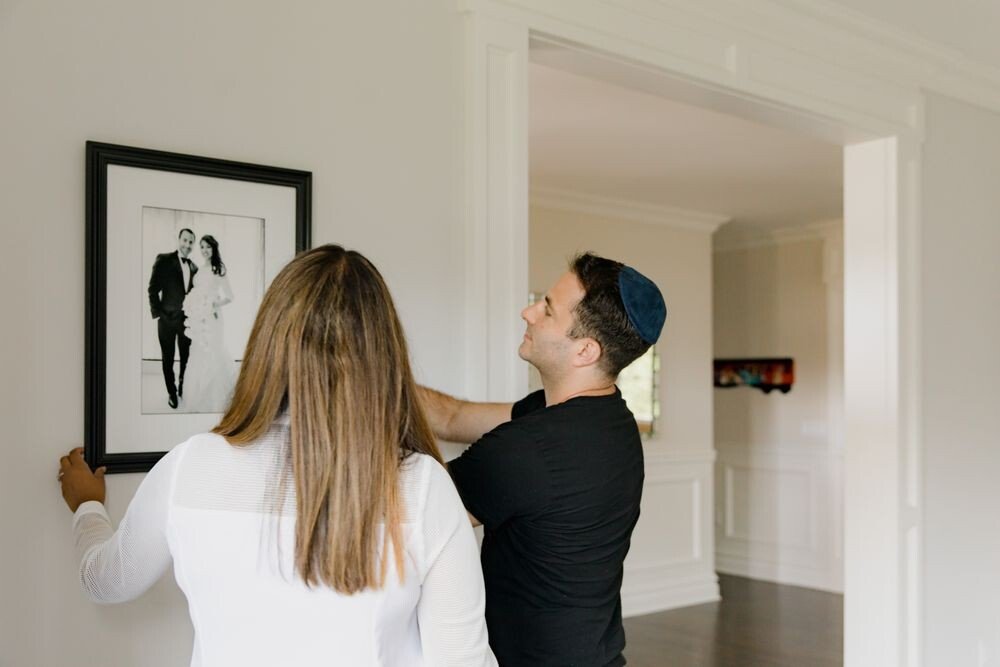
Frames on a wall can turn plain space into a story about your people. A mix of smiling faces, school pictures, and vacation shots adds warmth right away.
Seeing loved ones every day can remind everyone that they belong. It can also spark talk about old memories and funny moments, which helps family bonds grow stronger. You can keep costs low by printing simple photos at home or using one thrifted frame style for a neat look.
Many homes now mix printed pictures with small art pieces or handwritten notes for a more personal touch. You might include pets, grandparents, or a child’s drawing to make the wall feel alive. The best photo wall is not perfect; it just feels true to your family.
7. A Bedtime Story Corner
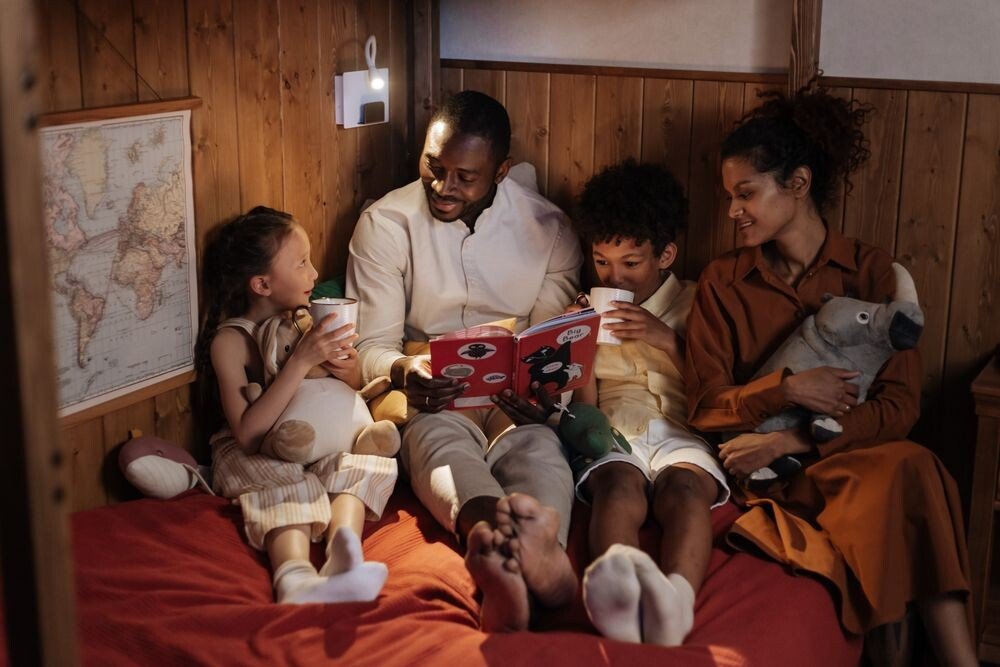
A small reading spot can make bedtime feel calm and cozy. A lamp, a basket of books, and a soft pillow can turn one corner into a tiny world of stories.
This habit helps kids slow down after a loud day and makes sleep easier to reach. It also gives parents or caregivers a sweet moment to connect without screens or rush. You can personalize the corner with favorite characters, a blanket in a child’s favorite color, or books borrowed from the library to keep costs low.
Some families now use audio stories or read aloud from tablets, but paper books still have a special feel. A small shelf or even a box by the bed can hold the books in a neat way. The corner does not need much space as long as it feels inviting.
8. A Shared Calendar
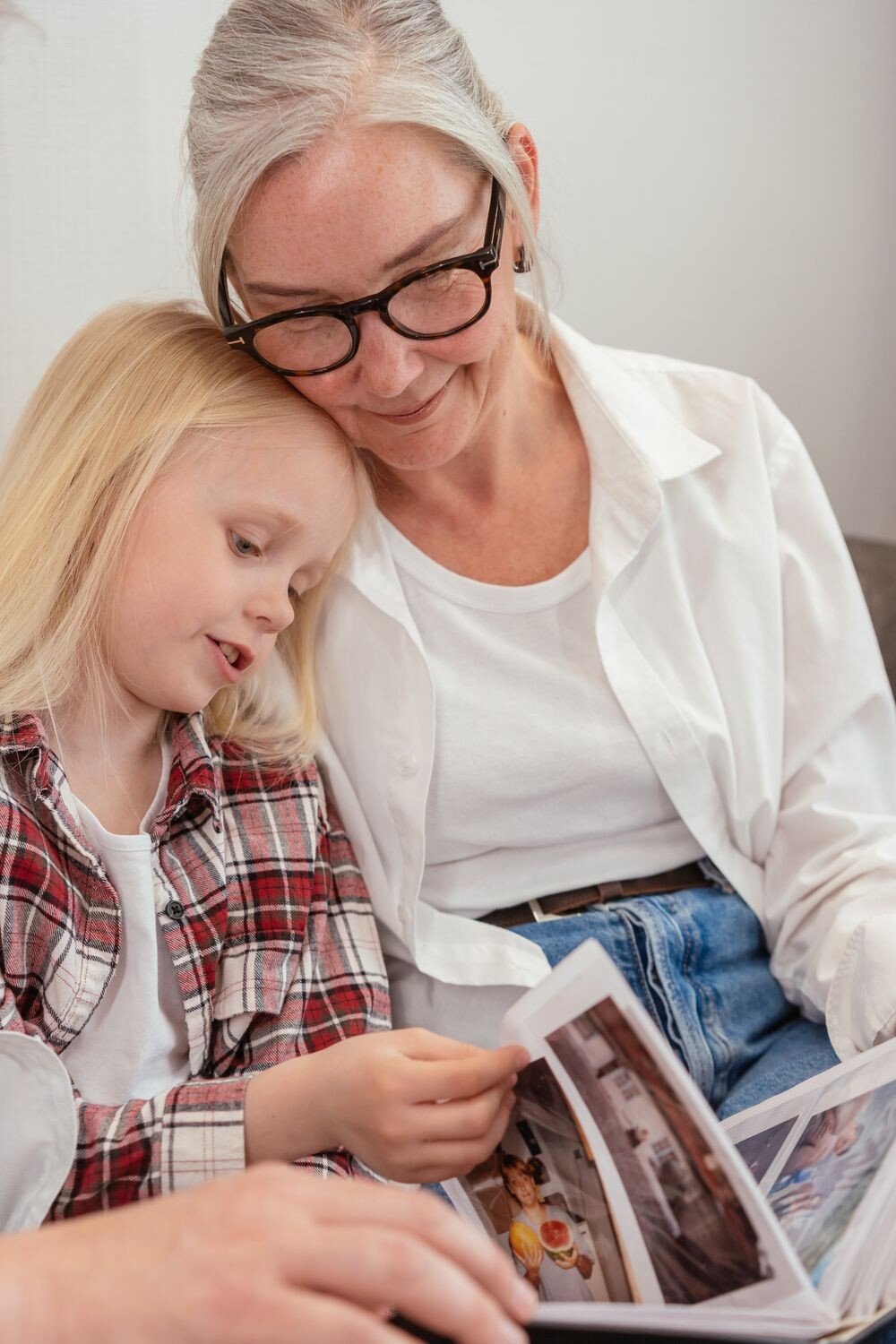
A family calendar on the wall or phone can keep the week from feeling tangled. Bright boxes, stickers, and clear writing make it easy to see who needs to be where.
This simple system cuts down on missed events and last-minute stress. It can also teach kids about planning and time, which helps them grow more responsible. Some families use digital calendars, while others prefer paper because it is easy to glance at and costs very little.
You can color-code names or activities to make the calendar more personal and easy to read. A sports color, a school color, or a work color can help each person spot their plans fast. Adding birthdays, movie nights, and busy days makes the calendar feel like a family map.
9. A Kitchen Helper Habit
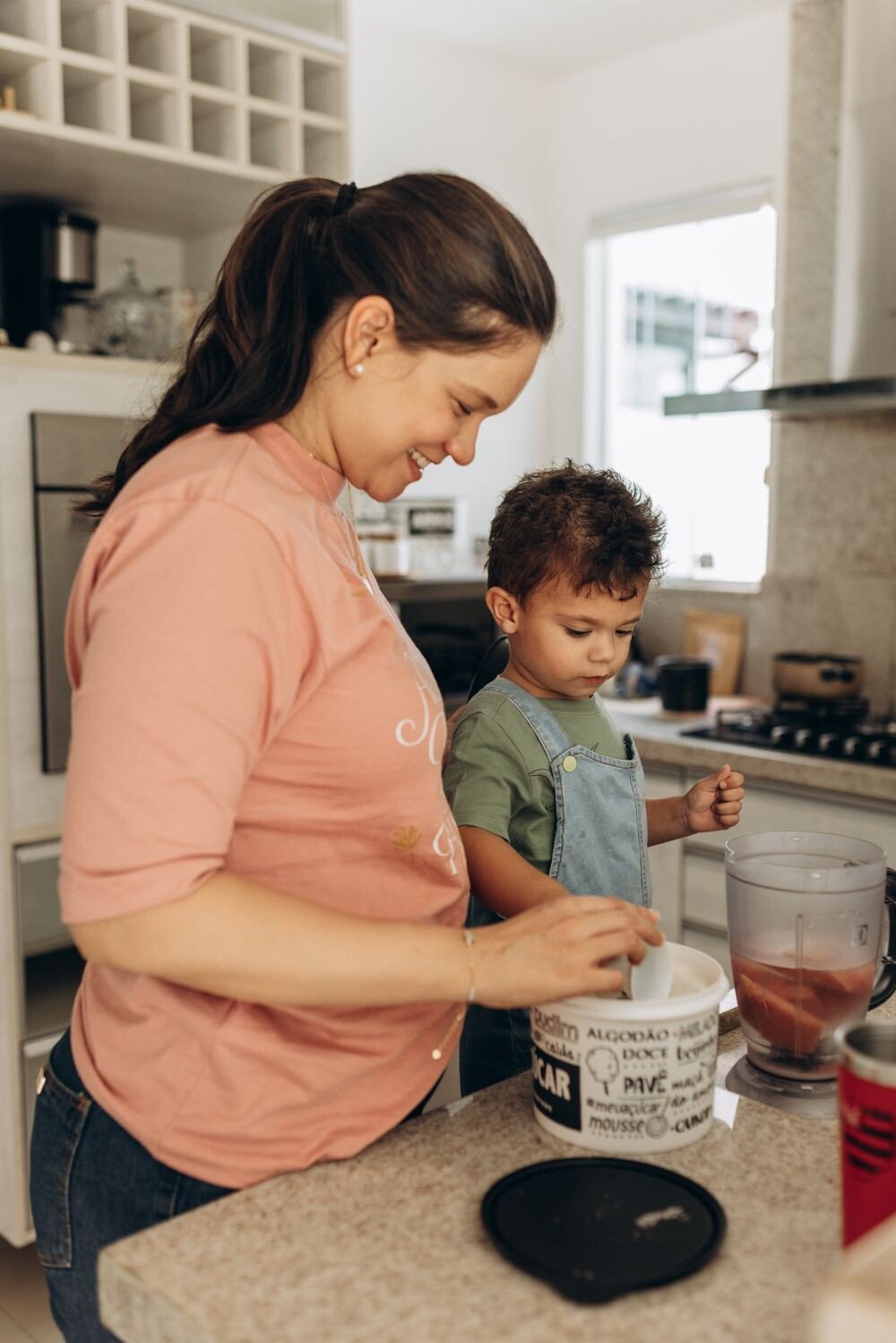
Inviting a child to stir, wash, or sprinkle can make the kitchen feel lively. A small stool, a wooden spoon, and a little flour dust on the counter can look wonderfully real.
This habit teaches useful skills and helps kids feel proud of being needed. It can also save time later because children who help often become more willing to try foods they helped make. Start with cheap, easy jobs and let each person choose a task that fits their age and comfort.
Some families like to keep a special apron or towel ready for kitchen helpers, which adds a fun touch. If you want to make it feel current, try simple meal prep on weekends or snack boxes for the week. The goal is not perfect cooking; it is shared effort and happy teamwork.
10. A Quiet Corner for Resetting

A small calm space can help a busy home feel softer. It might have a chair, a plant, a soft light, or just a pillow near a window.
This spot gives family members a place to breathe when feelings run high. It can lower noise, help with anger, and make it easier to return to the group in a better mood. You do not need fancy items; a folded blanket and a basket of books can be enough.
Personal touches matter here, like a favorite stuffed animal, a smooth stone, or a note with kind words. Some families use gentle colors and simple decor because that feels peaceful and modern. The best quiet corner is one that welcomes everyone without making anyone feel sent away.
11. A Weekend Reset Ritual

Spending a little time together to tidy and refresh the home can make Monday feel less heavy. Sunlight on the floor, folded towels, and open windows can make the house look lighter right away.
This ritual works because everyone helps the home start fresh again. It can include laundry, toy pickup, plant watering, or wiping tables, and each task can be small. If you keep it short and use music, the work may feel more like a team game than a chore.
You can personalize the ritual with a favorite playlist, a special breakfast, or a reward like extra park time. Cost stays low when you use what you already have and skip fancy cleaning tools. Many families like this kind of habit because it fits busy modern life without taking over the day.
12. A Shared Hobby Shelf
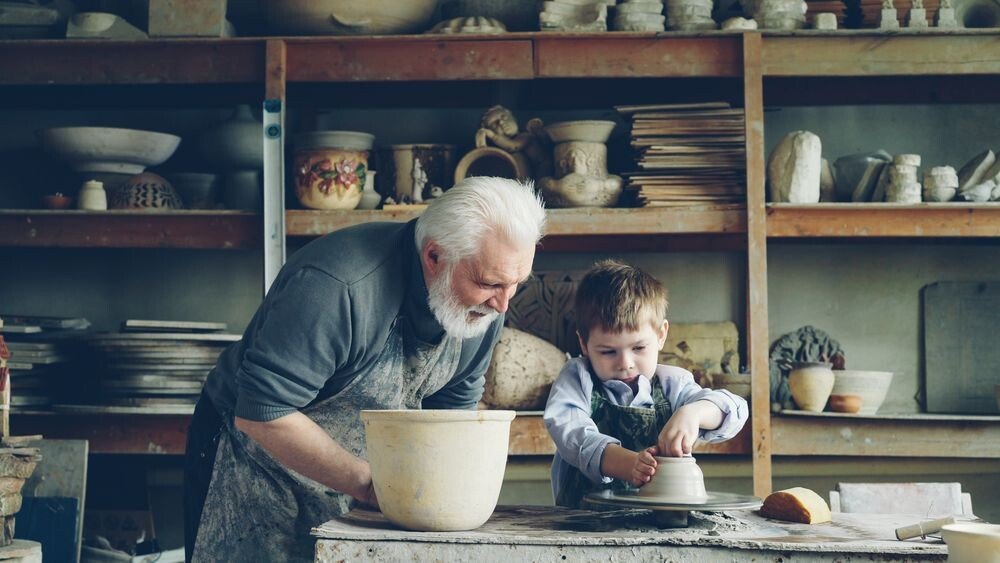
A shelf for puzzles, crafts, cards, or building blocks can make shared fun easy to reach. Bright boxes and neatly stacked supplies can look cheerful on a living room wall or in a hallway nook.
This idea encourages family members to play together instead of only staring at separate screens. It can also spark new skills, from drawing to sorting to problem solving. You can keep it affordable by using games you already own or finding secondhand items that still work well.
To make it feel personal, choose one family hobby that everyone can join, even for a few minutes. Some homes now keep a small basket of quick games for busy nights, which fits current trends toward simple, screen-light fun. The shelf becomes more useful when it is easy to see and easy to grab.
13. A Handwritten Note Habit

Little notes left on a pillow, lunch box, or mirror can brighten a whole day. A few words in a child’s handwriting or a parent’s quick message can look charming and honest.
This habit helps people feel loved in a very direct way. It can cheer someone up before school, calm nerves before a test, or remind a spouse that they matter. Paper scraps, sticky notes, or old envelopes work fine, so the cost is almost nothing.
You can make the notes personal with doodles, jokes, or a favorite color pen. Some families like to keep a note jar where everyone drops in kind words for later reading. In a world full of fast texts, a handwritten note can feel extra special and deeply human.
14. A Family Music Moment
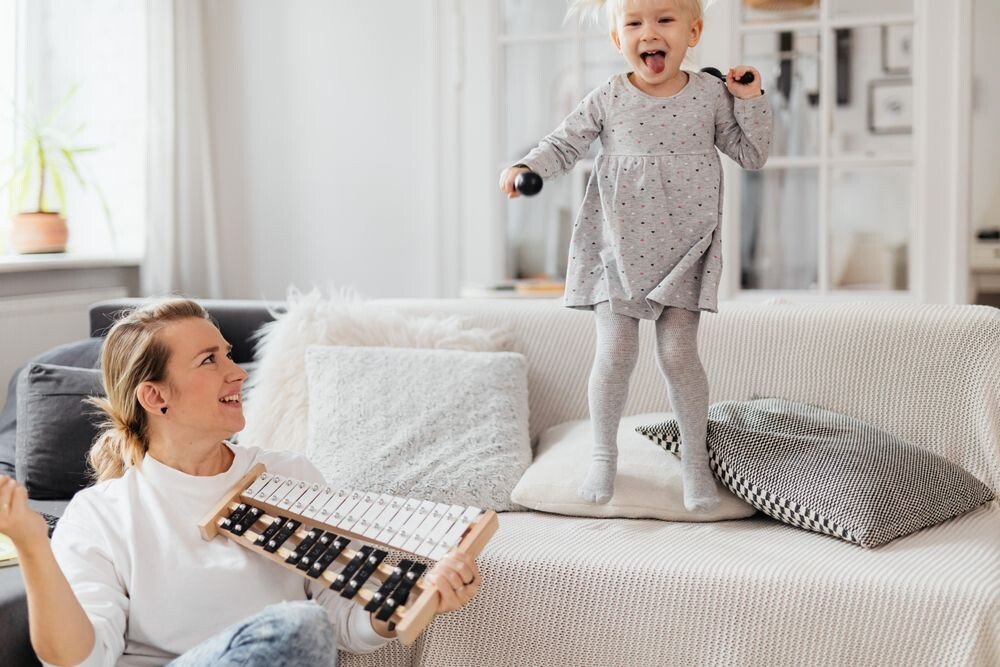
Playing one song together can shift the whole mood of a room. The sound of clapping, singing, or tapping a spoon on the table can make even an ordinary evening feel bright.
Music helps people relax, laugh, and move together without much effort. It can become a quick bridge after a hard day or a fun start to a weekend morning. You can use free streaming apps, old playlists, or even a radio station, which keeps the habit low cost.
Some families make a shared playlist with songs from different ages, so everyone hears a little of their own taste. Others pick one song for cleaning, one for dinner, and one for bedtime, which adds structure and fun. The best part is that music can fit any home, from tiny apartments to busy houses.
15. A Small Tradition for Ordinary Days
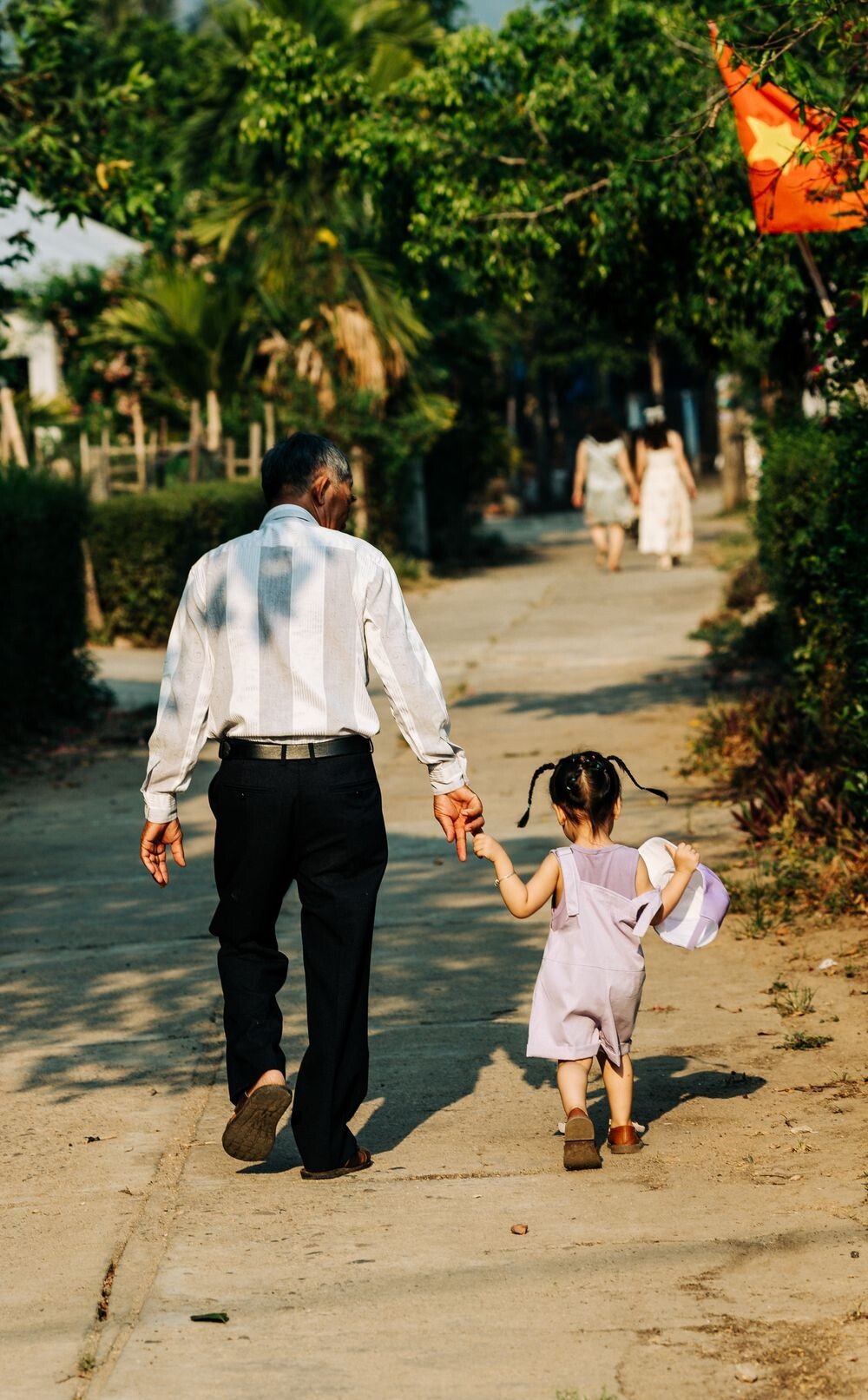
A tiny tradition can turn a plain day into something worth remembering. It might be pancakes on Fridays, popcorn during movie night, or a silly cheer before school.
These repeated moments give family life a shape that feels comforting and unique. They help children feel secure because they know something good is coming again and again. You can build a tradition around almost anything you already do, so it does not need much money or planning.
Try adding one detail that belongs only to your family, like a special plate, a funny song, or a shared phrase. Current family trends often favor simple rituals that are easy to keep even when life gets busy. The most lovable traditions are not grand; they are the ones people miss when they are gone.