A fresh chapter often starts in the closet. Small wardrobe choices can make your mornings feel calmer and your style feel more like you.
1. Clear Out Pieces That No Longer Fit Your Life
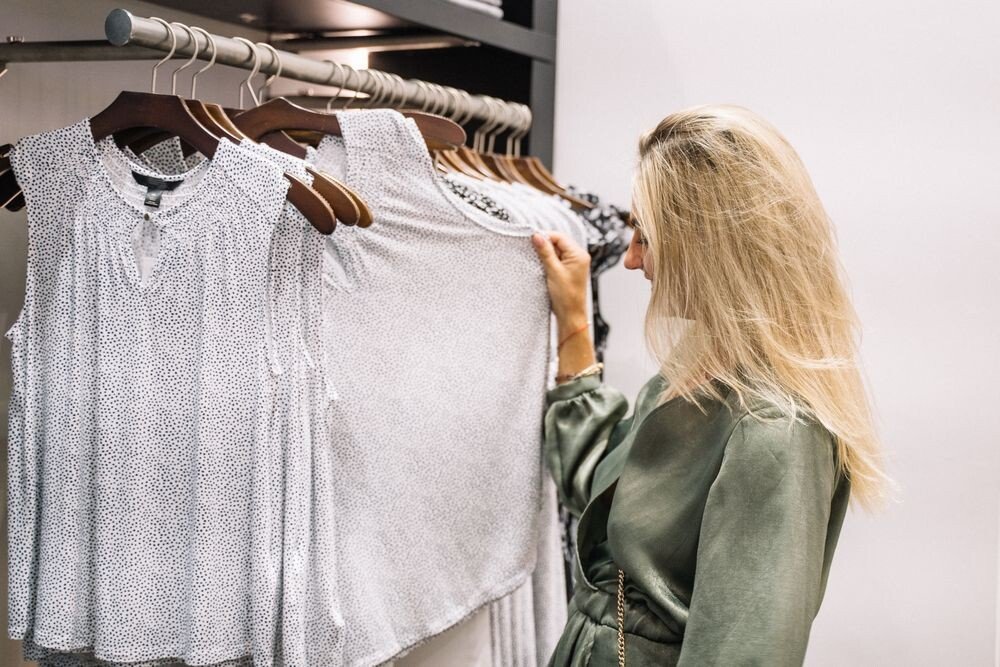
A closet should feel light, not crowded. When old clothes hang there like quiet clutter, they can make getting dressed feel harder than it should.
Start by pulling out items that pinch, sag, or remind you of a life you do not live anymore. Keep the pieces that still feel good on your body and match the way you move now. A neat row of favorite clothes can look clean, calm, and ready for action.
2. Build Outfits Around Your Real Daily Routine

Your best wardrobe is the one that fits your actual week. A shelf full of party pieces will not help much if most days call for work, errands, school runs, or quiet evenings.
Think about the places you go most and the clothes you reach for again and again. Choose items that work in more than one setting, like a soft blazer, simple jeans, or a dress that can handle sneakers or flats. This habit saves time, cuts waste, and makes your closet feel smarter.
Try laying out a few full outfits before the week starts so you can see what is missing. You may notice that one cardigan, one pair of pants, or one good bag can do a lot of work. That kind of planning can also help you spend less, since you buy with a clear purpose.
3. Choose a Color Story That Feels Like You

A clear color story can make your wardrobe look polished fast. Soft neutrals, rich earth tones, bright pops, or cool blues each tell a different style tale.
Pick shades that make your skin look bright and your mood feel steady. Then add a few accent colors that bring joy without making mixing and matching hard. A closet that shares a color family can look more unique even when the pieces are simple.
This habit also helps with budget choices, since you can buy less and wear more. If you love trend colors, add them in small ways through scarves, socks, or a bag. That keeps your style current without filling your closet with items that may fade fast.
4. Keep a Small Capsule of Go-To Basics
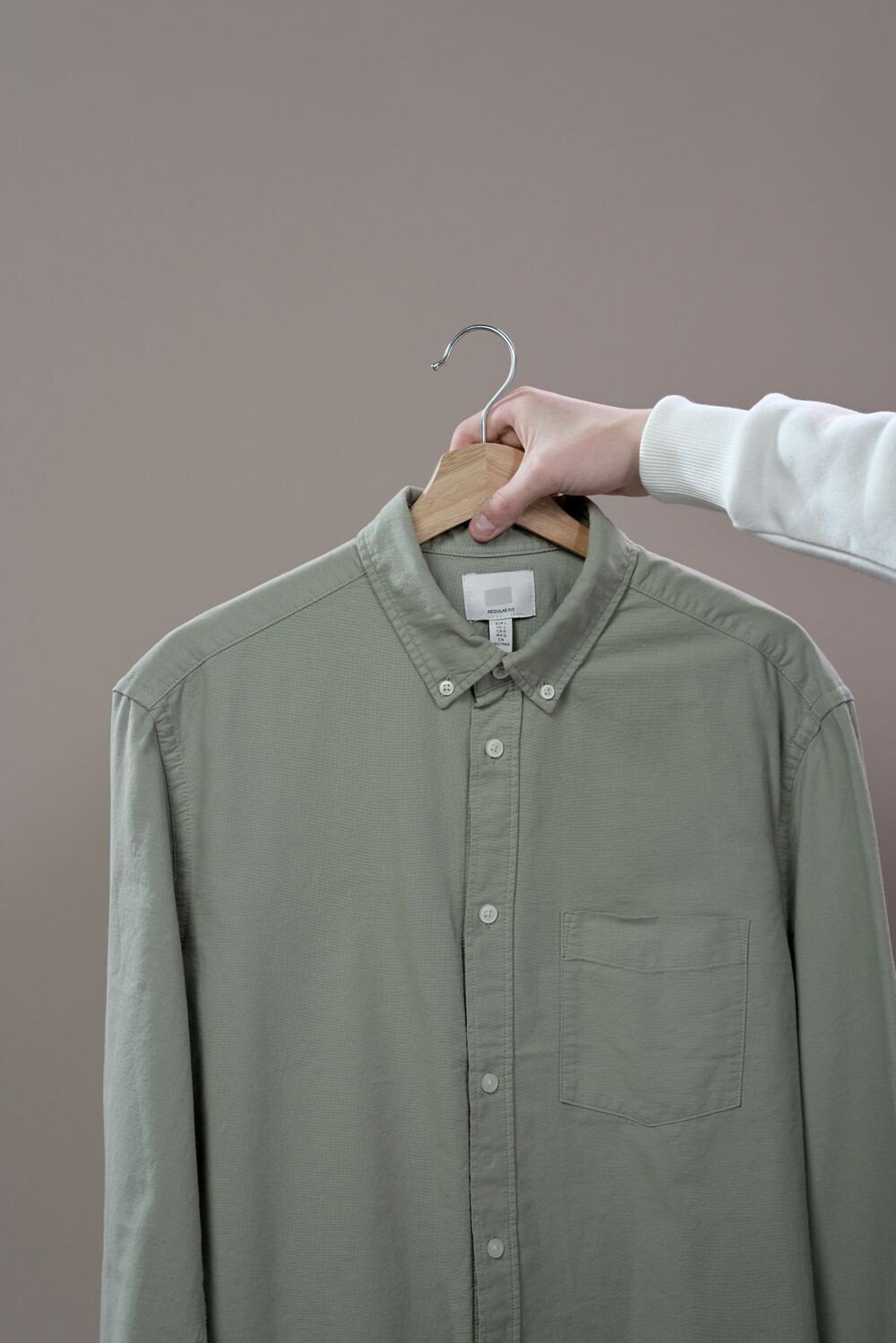
Basics are the quiet heroes of a wardrobe. A crisp tee, a clean button-down, a good pair of jeans, and a simple jacket can support many looks.
Choose basics with good shape and fabric so they hold up after many wears. It is often smarter to spend a bit more on a few strong pieces than to buy many flimsy ones. The right basics can make even a bold item feel balanced and easy to wear.
5. Make Repairs Before Clothes Become Forgotten

A loose button or small tear can turn a favorite item into a hanger ornament. Quick repairs keep clothes useful and help you honor what you already own.
Keep a tiny repair kit with thread, a needle, safety pins, and extra buttons. If sewing is not your thing, a local tailor or shoe repair shop can often fix items for a fair price. A mended hem or patched seam can give a piece a longer, more useful life.
This habit also supports a more personal style, since well-loved clothes often carry the best memories. A repaired jacket may fit your story better than something brand new. Simple care can make your wardrobe feel thoughtful, not throwaway.
6. Organize by Outfit, Not Just by Item

Rows of shirts and piles of pants can still leave you saying, “I have nothing to wear.” Grouping clothes by outfit makes the closet feel more helpful right away.
Hang or fold complete looks together, like a top with the pants or skirt it loves most. You can also use clips, outfit photos, or notes on your phone to remember winning combinations. This method is especially handy when mornings are busy and your brain feels full.
It can also show you which pieces do the most work and which ones sit unused. That makes future shopping more focused and less random. A wardrobe that tells outfit stories feels more personal than one that only shows separate items.
7. Use Accessories to Change the Mood

Accessories can make one simple outfit feel fresh many times over. A scarf, belt, watch, hat, or bold earrings can shift a look from plain to lively in seconds.
Try building a small accessory tray near your mirror so the best pieces are easy to grab. Mix one classic item with one playful item for a look that feels balanced and new. Accessories are often a lower-cost way to follow trends without changing your whole closet.
If your style is quiet, choose textured or useful pieces like a leather belt or a soft tote. If you like drama, pick bright colors or shiny details. Tiny changes can make your wardrobe feel wider than it really is.
8. Store Off-Season Clothes with Care

Seasonal storage keeps your closet from feeling stuffed and messy. When heavy sweaters and summer dresses are in the wrong place, it is harder to see what you actually need.
Wash or air out items before storing them so stains and smells do not settle in. Use clear bins, cotton bags, or labeled boxes so you can find things later without a hunt. This habit protects your clothes and helps your closet look neat and open.
9. Shop With a Short, Honest List

A short shopping list can stop impulse buys before they start. When you know what is missing, you are less likely to bring home another item that has no partner.
Write down the exact gap, like black work pants, a light jacket, or comfortable walking shoes. Then think about fabric, color, and how often you will wear it. This keeps spending more sensible and makes each purchase feel more useful.
It also helps you notice trends in a smart way. If wide-leg pants or loafers are everywhere, you can decide if they truly fit your life before you spend. A thoughtful list turns shopping into a plan instead of a guess.
10. Try the One-In, One-Out Habit

Closets can grow fast when new things come in and nothing leaves. The one-in, one-out habit helps keep space open and choices clear.
Each time you bring home a new shirt, bag, or pair of shoes, choose one item to donate, sell, or pass along. That keeps clutter from piling up and makes you think carefully about each new buy. It can also help with cost control because every purchase has more weight.
You may find that this habit sharpens your taste over time. When the closet stays balanced, your favorite items stand out more. A smaller, stronger wardrobe often feels more stylish than a stuffed one.
11. Pay Attention to Fit, Not Just Size Tags

Size tags can be tricky, and they do not always tell the full story. Good fit is what makes clothes look polished, feel comfy, and move well with your body.
Try items on and check the shoulders, waist, sleeves, and hem length. If a piece is close but not perfect, a tailor can often make it look custom for a fair cost. Small fit changes can make a simple outfit feel much more special.
This habit can also build confidence, since clothes that fit well tend to feel better all day. Choose the shape that works for your body now, not the one you think you should fit. That kind of honesty makes style more personal and less stressful.
12. Keep a Few Statement Pieces Ready

A wardrobe needs a little sparkle now and then. One strong jacket, fun shoe, printed skirt, or bold bag can give your outfits a clear point of view.
Statement pieces work best when the rest of the outfit stays simple. That way the special item gets to shine without making the look feel busy. You do not need a lot of them, and that can help keep costs in check.
Choose pieces that feel true to your taste, not only to current trends. A velvet blazer, bright sneaker, or sculpted earring can add joy in a way that still feels like you. These items bring energy to a wardrobe and make repeat outfits feel new.
13. Care for Fabrics So They Last Longer

The way you wash and store clothes matters a lot. Gentle care can keep colors bright, shapes neat, and fabrics soft for a long time.
Read care labels, use cooler water when you can, and skip the dryer for delicate items. Fold knits instead of hanging them so they do not stretch out. Good fabric care may cost a little time, but it often saves money by helping clothes last longer.
It also makes your wardrobe look better day after day. Clean, well-kept clothes feel more inviting than wrinkled or faded ones. A little care can make even simple pieces feel special.
14. Mix Old Favorites with New Finds

Fresh style often comes from mixing what you already own with one or two new pieces. This keeps your wardrobe from feeling stale while still honoring the clothes that already work.
Try pairing an older jacket with a newer shirt, or a classic skirt with current shoes. That blend can feel unique because it is shaped by your own life, not just by a store display. It is also a smart way to spend less while still enjoying the feel of something new.
Current trends can fit here too, but in a gentle way. Add a trendy color, shape, or texture in small doses so the look stays wearable. The best outfits often feel like a friendly mix of past and present.
15. Make Room for the Person You Are Becoming

Your wardrobe should leave space for growth. As work changes, seasons shift, and your tastes mature, your clothes can grow with you.
Set aside a small area for pieces that match your next step, like a new job, a new city, or a new way of living. You might keep one polished blazer, one easy dress, or one pair of shoes that makes you feel ready. This keeps your closet hopeful without making it feel crowded.
Personal style is not fixed, and that is the fun part. Some days you may want calm basics, and other days you may want color and flair. A wardrobe with room to change can support your next chapter with comfort, beauty, and ease.