
Small choices can feel louder after forty. Your daily routine starts to show on your face, your energy, and your mood.
1. Build a Morning Water Habit
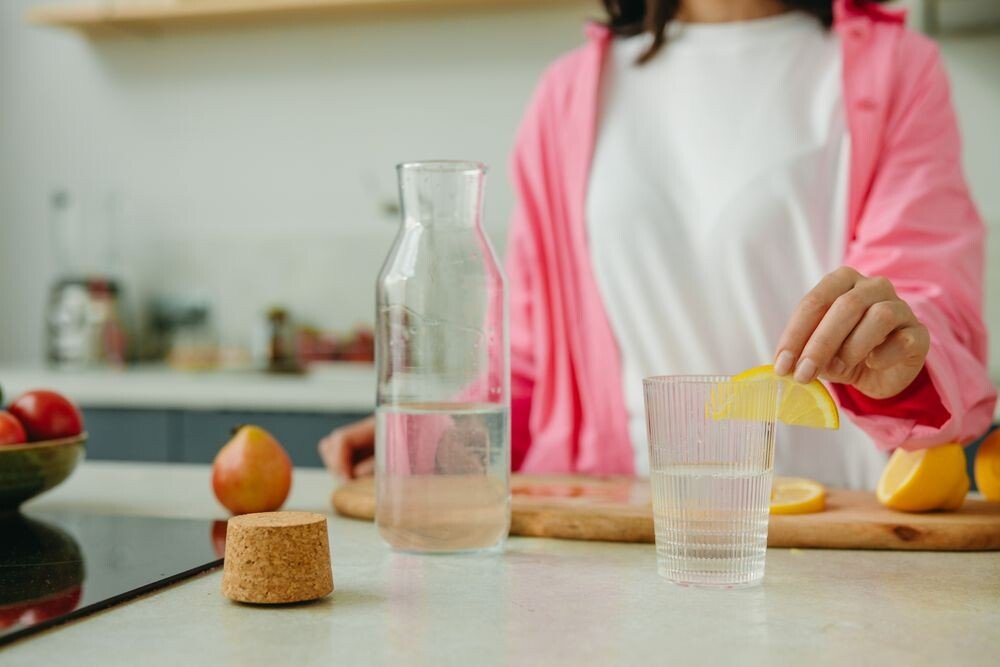
A clear glass of water on the kitchen counter can be a gentle wake-up call. This simple habit helps your body feel less dry, supports digestion, and can make your skin look a bit brighter.
Try keeping a reusable bottle near your bed so the first sip is easy. Some people like cold water with lemon, while others prefer plain water with a straw bottle or a marked bottle that shows progress. This habit is low-cost, easy to personalize, and fits well with the current trend of simple wellness tools that make healthy routines feel neat and visible.
2. Make Protein Part of Every Meal
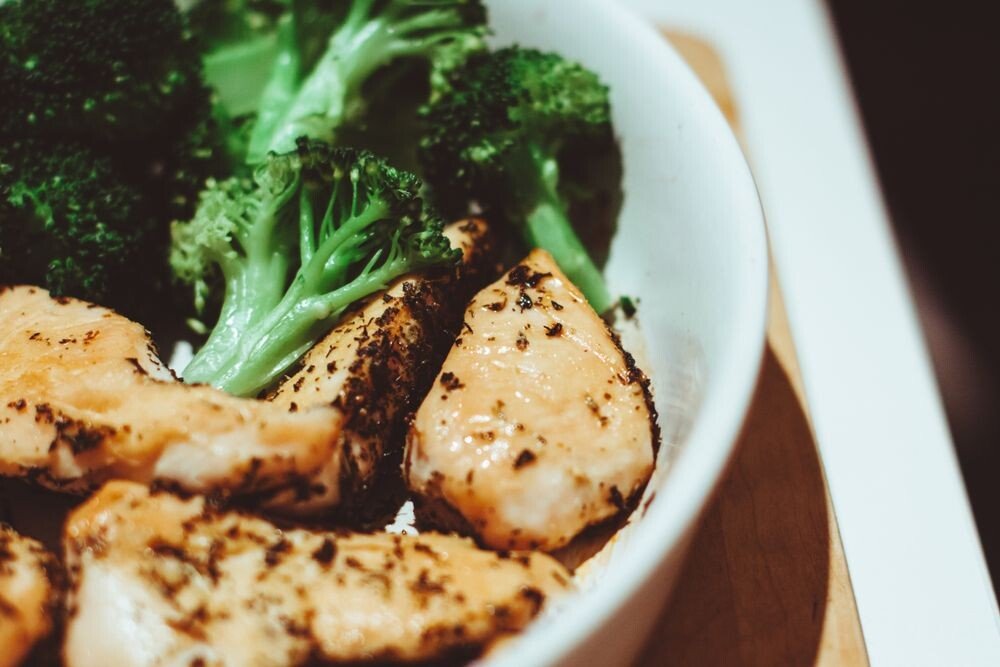
A plate with eggs, yogurt, beans, fish, or chicken looks more balanced than a meal built on bread alone. Protein can help you feel full longer and may support strong muscles as the years move on.
Keep it simple by adding one protein food to breakfast, lunch, and dinner. If you like a plant-based style, tofu, lentils, and nuts can work well too. Buying protein in bulk or choosing store brands can help keep costs down, and meal prep bowls are a popular trend for people who want easy weekday meals.
You can also match protein to your taste and budget. A cottage cheese bowl with fruit feels very different from a warm bean chili, yet both can support the same goal. The best choice is the one you will actually eat again tomorrow.
3. Walk Like It Matters
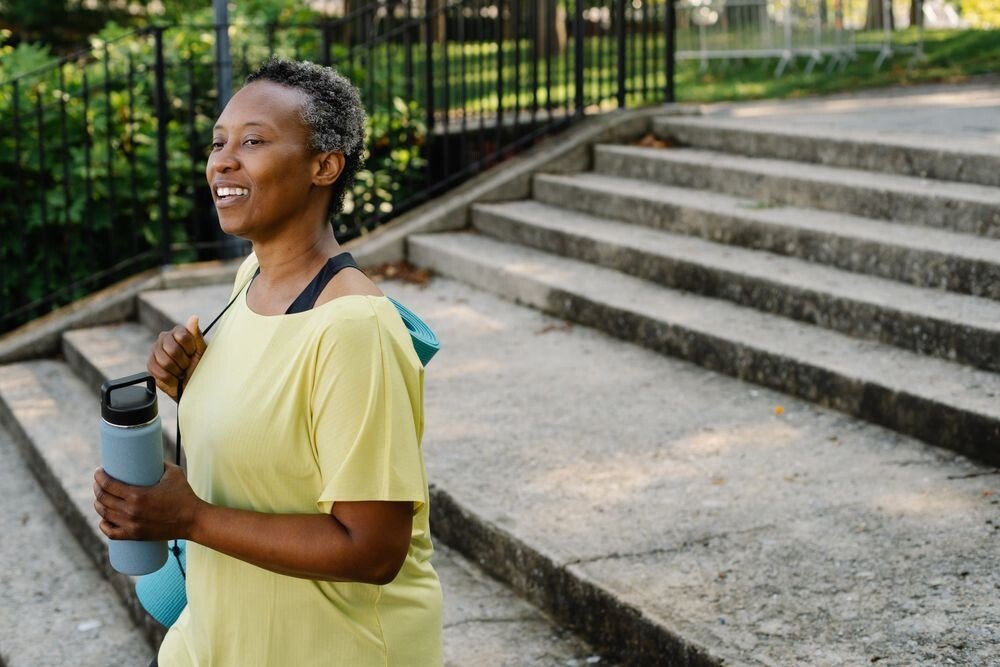
A simple walk can change the feel of a whole day. Fresh air, moving legs, and a little sunlight can lift your mood and help your joints stay active.
Try a short walk after meals or a longer one in the evening. Some people enjoy walking with a friend, while others like quiet time with music or a podcast. Good shoes matter, but walking itself is free, which makes it one of the most budget-friendly healthy habits around.
You can make it your own by choosing a park, a mall, a quiet street, or even laps around the house on busy days. Many people now track steps with watches or phone apps, but a simple checkmark on a calendar works just as well. The best part is that walking can fit almost any body, schedule, or fitness level.
4. Keep Strength Training Simple
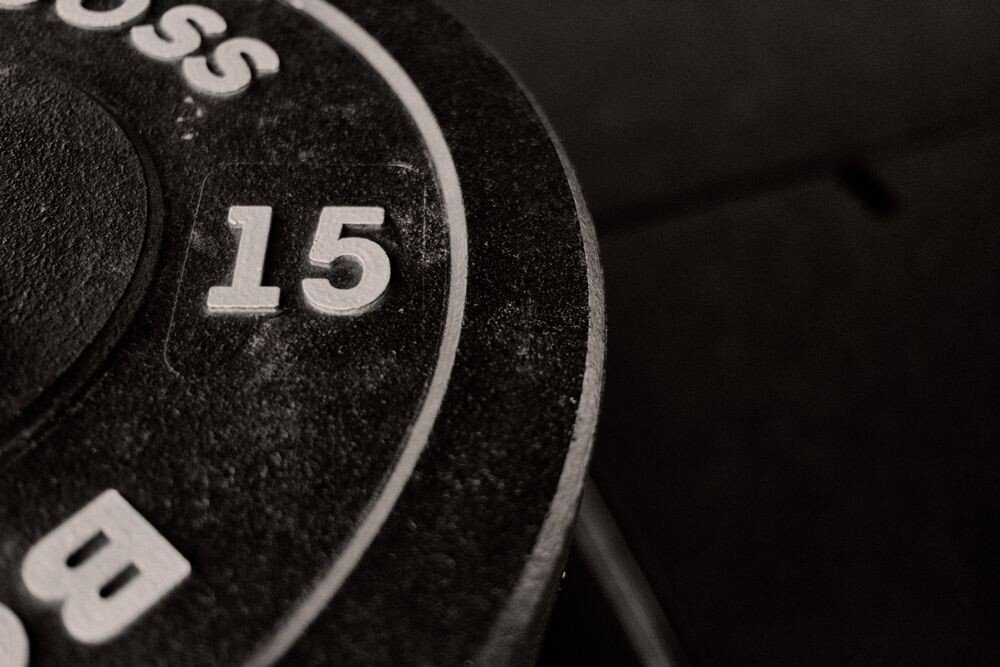
Strong muscles help with lifting bags, climbing stairs, and staying steady. A few basic moves with bands, dumbbells, or your own body weight can make a big difference over time.
Start with squats, wall push-ups, and light rows two or three times a week. You do not need a fancy gym to begin, and many people use home workouts because they save time and money. This habit is unique because it helps shape the body in a way that walking alone cannot.
5. Make Sleep a Real Priority

A dark room and a calm mind can feel like a small gift at night. Good sleep helps memory, mood, and energy, and it can make healthy choices easier the next day.
Set a steady bedtime and keep screens away for a little while before sleep. Some people like soft music, a fan, or a simple reading lamp to make the room feel cozy. Blackout curtains, eye masks, and white-noise machines are popular, but even low-cost changes like cooler sheets and a tidy nightstand can help a lot.
Personalize your sleep space so it feels peaceful to you. A lavender pillow spray, a warm shower, or a notebook for racing thoughts can be useful if your mind gets busy at night. The goal is not perfection, but a routine that helps you rest more often.
6. Add Color to Your Plate
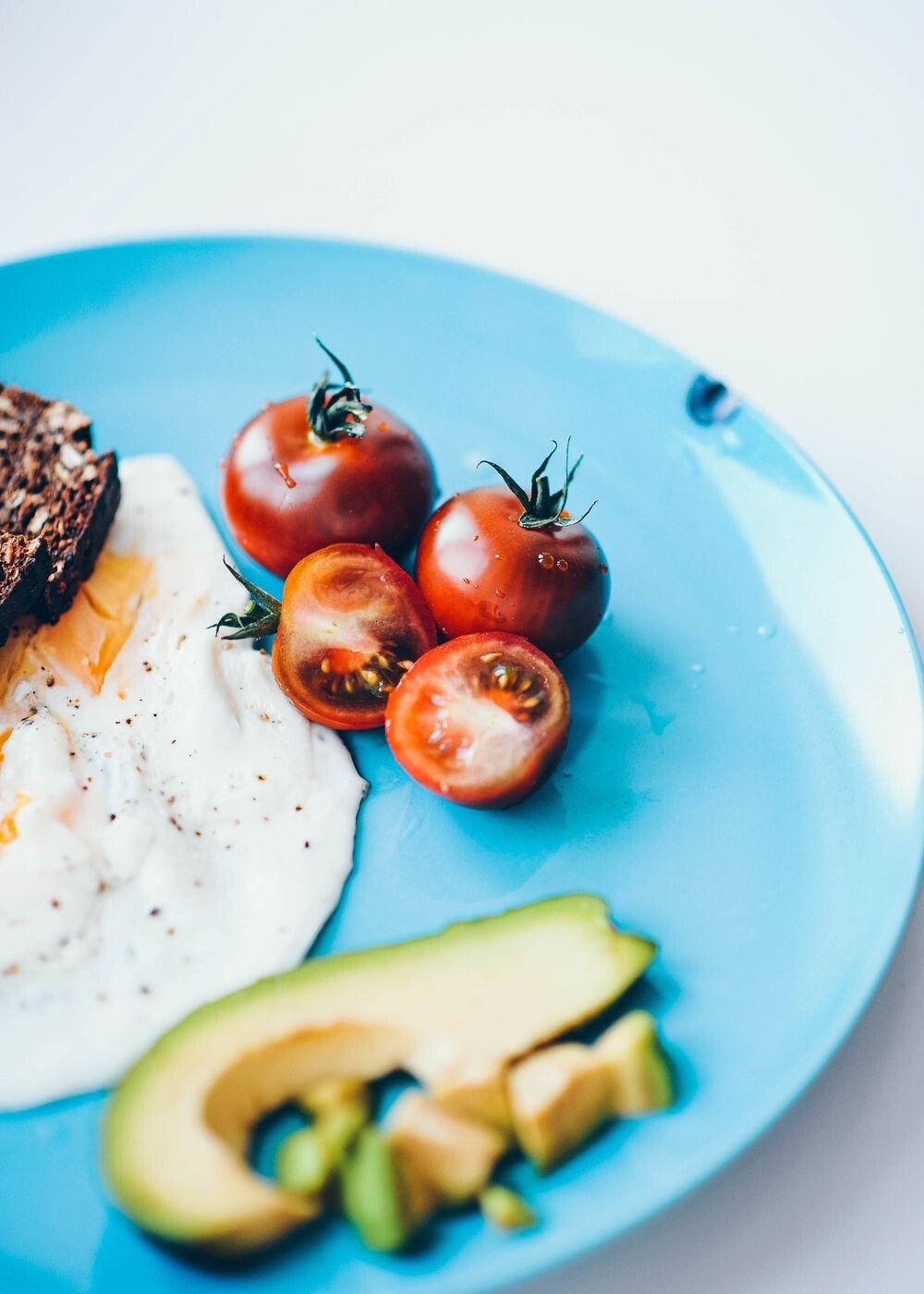
A colorful plate looks bright and inviting, almost like a small work of art. Different colors often mean different vitamins, minerals, and plant compounds that support your body in useful ways.
Try adding berries, spinach, carrots, peppers, tomatoes, or purple cabbage to meals. Frozen produce can be cheaper than fresh and still gives great value, which makes this habit friendly for tight budgets. Smoothie bowls, rainbow salads, and veggie-packed wraps are also popular because they feel fun and fresh.
You can choose colors based on what your family likes most. If raw vegetables feel boring, roast them with olive oil and herbs for a warmer taste. Small changes like this can make healthy eating feel less like a chore and more like a daily treat.
7. Drink Less Sugar, More Often

Sweet drinks can look harmless in a tall glass, but they can add up quickly. Cutting back on soda, sweet tea, and fancy coffee drinks may help with energy swings and weight control.
Try sparkling water with fruit slices, unsweetened tea, or coffee with less syrup. If you enjoy a sweet taste, reduce the sugar a little at a time so the change feels easier. This habit is cheap to start, and it fits the current trend of homemade drinks that feel special without the extra cost.
8. Protect Your Joints With Gentle Mobility
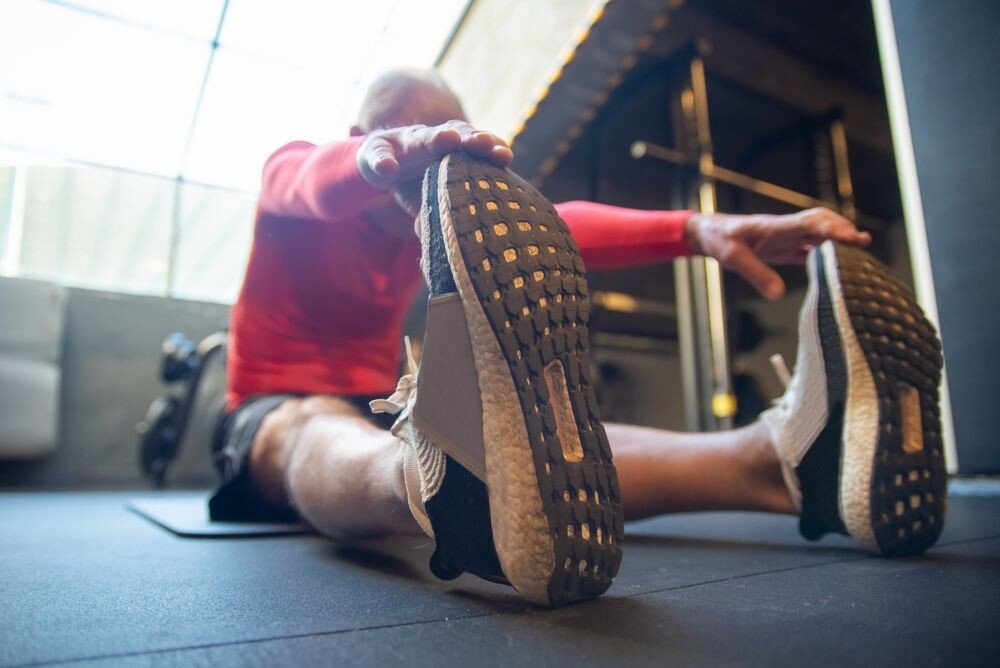
Stiff joints can make mornings feel slow and heavy. A few minutes of stretching, shoulder rolls, ankle circles, and hip movements can help your body feel more ready for the day.
Use a yoga mat, a carpet, or even the side of your bed for simple moves. You do not need to bend deeply or do hard poses to get a benefit. Many people like short mobility videos because they are easy to follow and can be done at home without spending much money.
Think about where your body feels tight and build around that area. If your neck gets sore from desk work, add gentle neck turns; if your hips feel stiff, try seated figure-four stretches. The best routine is the one that feels safe, calm, and easy to repeat.
9. Plan Meals Before Hunger Hits
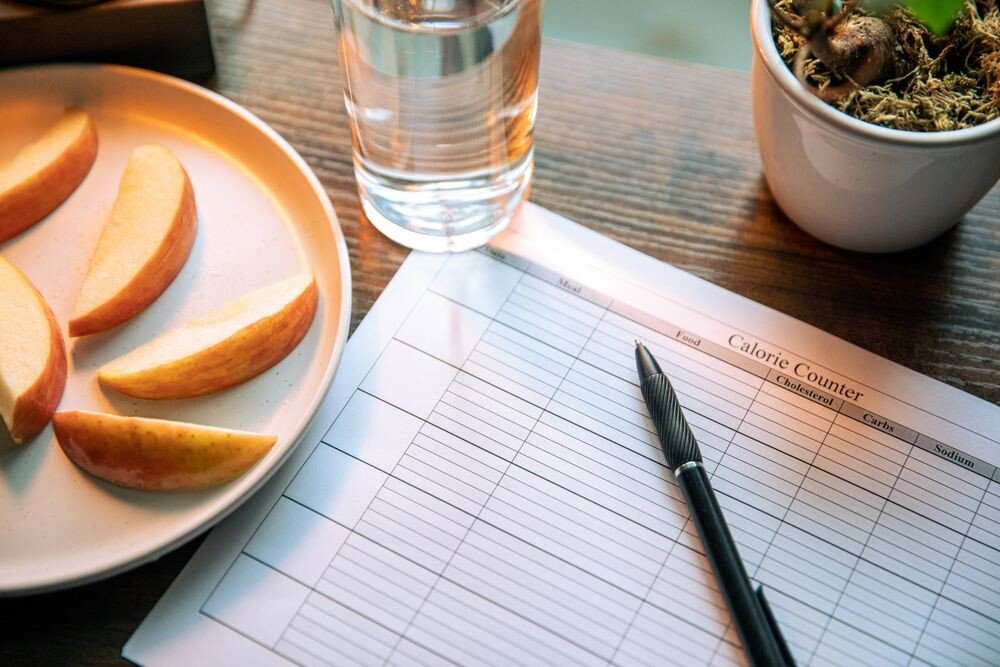
A fridge with a plan looks calmer than one full of random leftovers. Meal planning can lower stress, save money, and make healthy choices much easier when you are tired.
Start with a short list of meals you already enjoy. Repeating a few favorites is not boring; it is smart and practical, especially on busy weeks. Batch cooking, grocery apps, and simple meal kits are current trends because they help people save time and reduce waste.
You can personalize your plan around work hours, family needs, or your favorite foods. A Sunday soup, a taco night, or a grain bowl setup can all work well if they match your life. The more your plan fits your real routine, the more likely it is to stick.
10. Make Your Home Friendlier to Movement
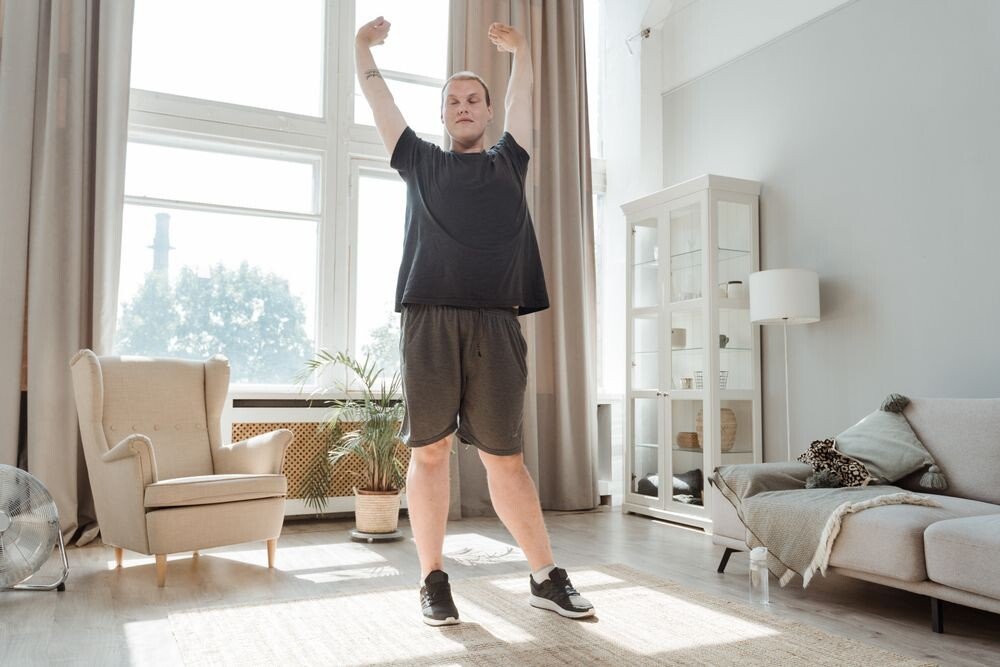
A tidy chair, clear floor, and open walkway can quietly support better habits. When movement feels easy at home, you are more likely to stretch, squat, carry, and walk around without thinking twice.
Put water where you can see it, keep a yoga mat rolled out, or leave walking shoes by the door. These small visual cues can nudge you toward action in a gentle way. Storage baskets, standing desks, and under-desk pedals are trendy, but even a cleared corner can work well and cost very little.
Try to shape your space around the habits you want most. If you want more reading and less scrolling, place a book on the table instead of your phone. Your home can act like a quiet helper when it is set up with care.
11. Use Sunscreen Like It Is Part of Grooming

Sun protection can be a simple daily step that pays off over time. It helps shield skin from damage and can support a more even look as the years go by.
Choose a sunscreen that feels good on your skin, because comfort matters if you want to use it often. Some people like light lotions, while others prefer tinted formulas or mineral creams. Drugstore sunscreens can be affordable, and daily face sunscreens are a big trend because they fit neatly into morning routines.
You can keep a tube by the door, in the car, or beside your toothbrush. Reapplying on outdoor days is a smart habit, especially if you walk, garden, or sit near windows. The easiest sunscreen is the one you remember to wear without making a fuss.
12. Snack With More Intention

A thoughtful snack can save you from grabbing whatever is closest. When you choose snacks on purpose, it is easier to stay full, steady, and less cranky.
Try fruit with nuts, hummus with carrots, or yogurt with seeds. These choices often cost less than packaged snack foods over time, and they can help you feel better between meals. Snack boxes and portioned containers are popular because they make healthy food look neat and ready.
Personalize snacks to match your day. A hard-boiled egg may work before a workout, while apple slices and peanut butter may feel better in the afternoon. Keeping a few easy options in your bag, desk, or fridge can make healthy eating feel much more natural.
13. Check In With Your Stress
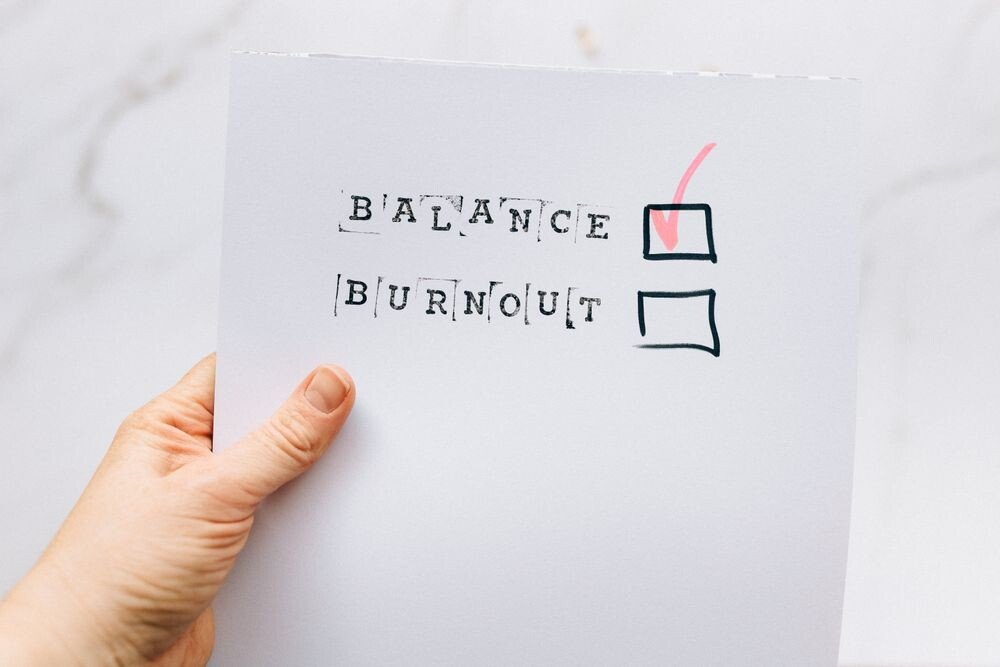
Stress can sit in the shoulders, jaw, and stomach before you even notice it. A short pause during the day can help your body and mind settle down.
Try breathing slowly for a minute, writing in a notebook, or sitting quietly with a cup of tea. These habits cost little or nothing, which makes them easy to keep up. Calm apps, guided meditation, and simple gratitude journals are current favorites, but a few deep breaths can work just as well.
You can make stress care fit your style. Some people prefer prayer, some like music, and others like a short walk outside. The point is to build a small reset that feels honest and useful to you.
14. Keep Regular Health Checkups

A doctor visit can feel ordinary, but it can also be a smart way to stay ahead of problems. Regular checkups can help you track blood pressure, blood sugar, cholesterol, and other signs that matter more after forty.
Write down questions before your visit so you do not forget them. Many clinics now offer online portals, reminders, and telehealth visits, which can save time and sometimes money. If cost is a concern, ask about in-network care, generic tests, or community clinics that offer lower prices.
Bring notes about your sleep, energy, and any aches you notice. A personal record helps your doctor see patterns instead of guessing. The more clearly you share what is going on, the better the advice can fit your life.
15. Make Fun Part of the Plan

Healthy habits stick better when they do not feel dull. A routine with joy in it can look colorful, lively, and much easier to repeat.
Try dancing in the kitchen, gardening, biking, or joining a class with a friend. You can also pair a habit with something pleasant, like listening to a favorite playlist while you tidy up or walking after a good meal. This approach is unique because it treats health like a life upgrade, not a punishment.
Pick activities that match your taste, your budget, and your energy level. A free local trail, a library yoga video, or a community class can all bring movement and fun together. When healthy habits feel enjoyable, they are far more likely to stay part of your life.