
Family life can feel busy, loud, and wonderfully messy. Small habits can make it warmer, calmer, and more joyful.
1. Share a Good Morning Moment
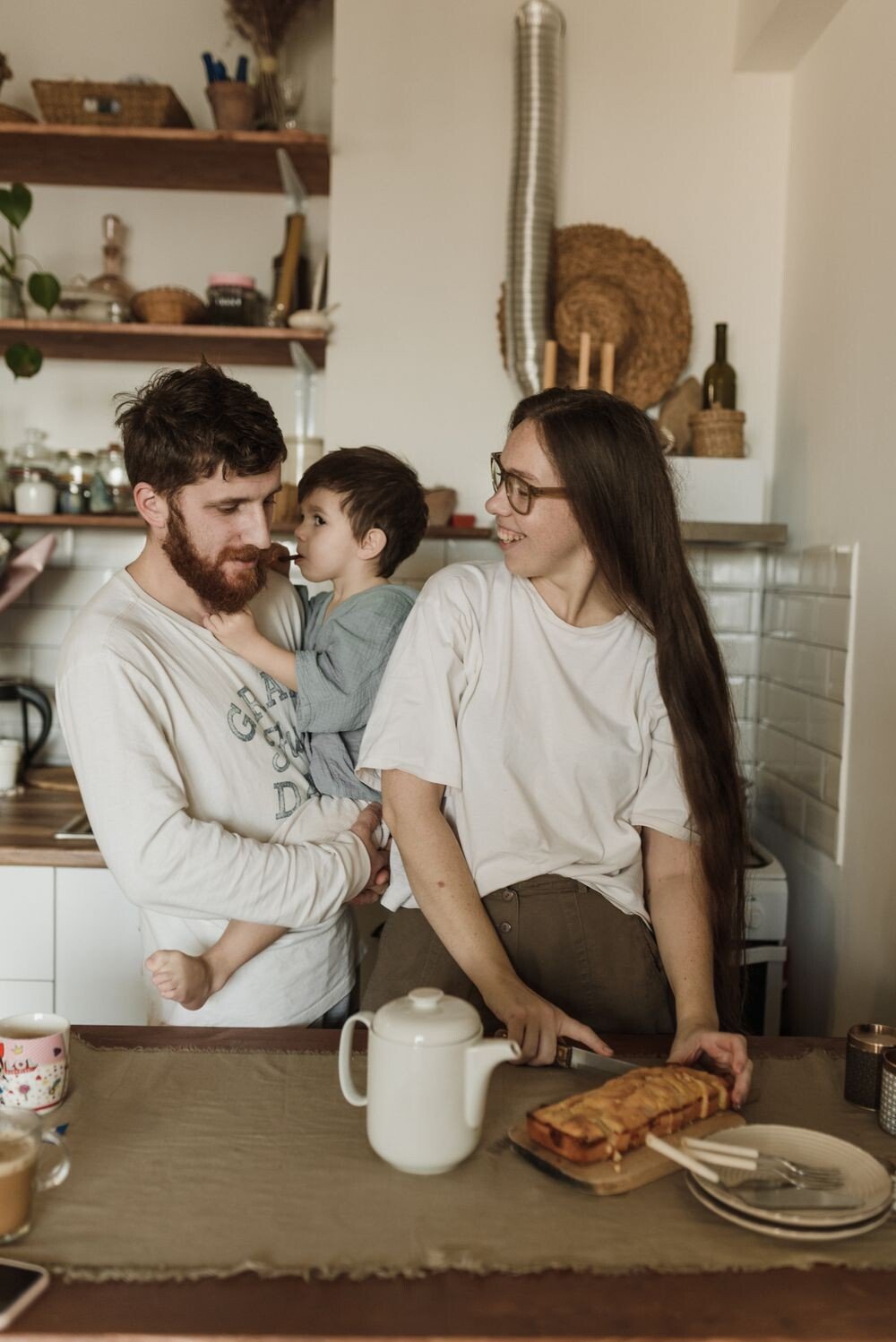
Start the day with a simple family hello at the kitchen table or by the front door. A smile, a hug, or a quick wave can set a bright tone for everyone.
This habit is easy to keep and costs nothing at all. Some families like a sunny breakfast corner, while others use a short “good morning” song or a sticky note with kind words.
2. Eat One Meal Together
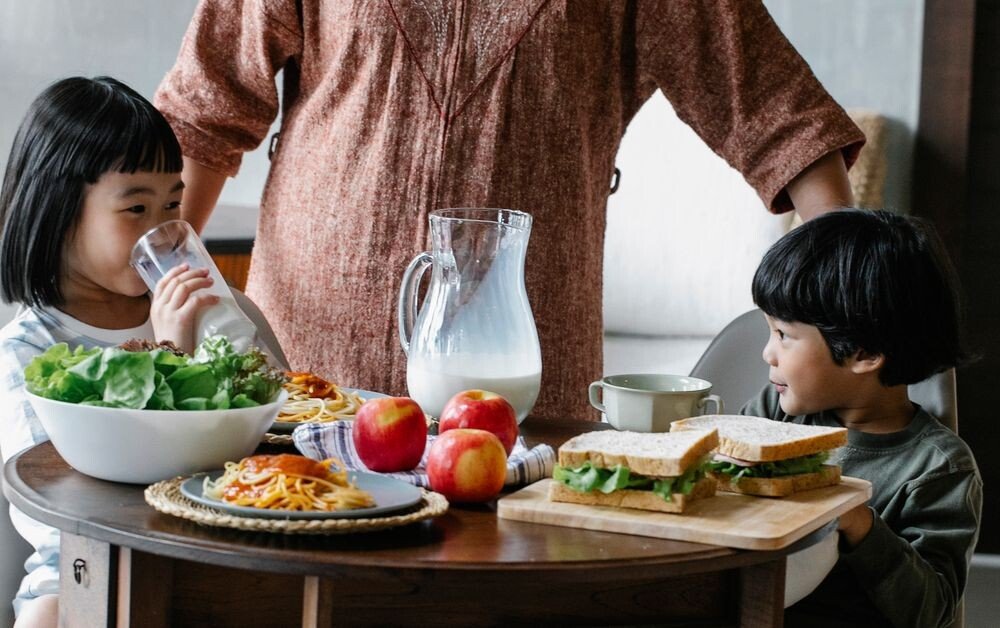
A shared meal brings people close in a way screens cannot. The table can look plain or fancy, but the real magic is in the talking and listening.
This habit helps kids and adults feel seen and heard. You can make it fit your life by choosing breakfast, lunch, or dinner, and you can keep the menu simple to save money.
Many families now like “phone-free” meals because they make room for real talk. Try asking one easy question, like what made each person smile today, to keep the mood light and fun.
3. Keep a Family Chore Chart
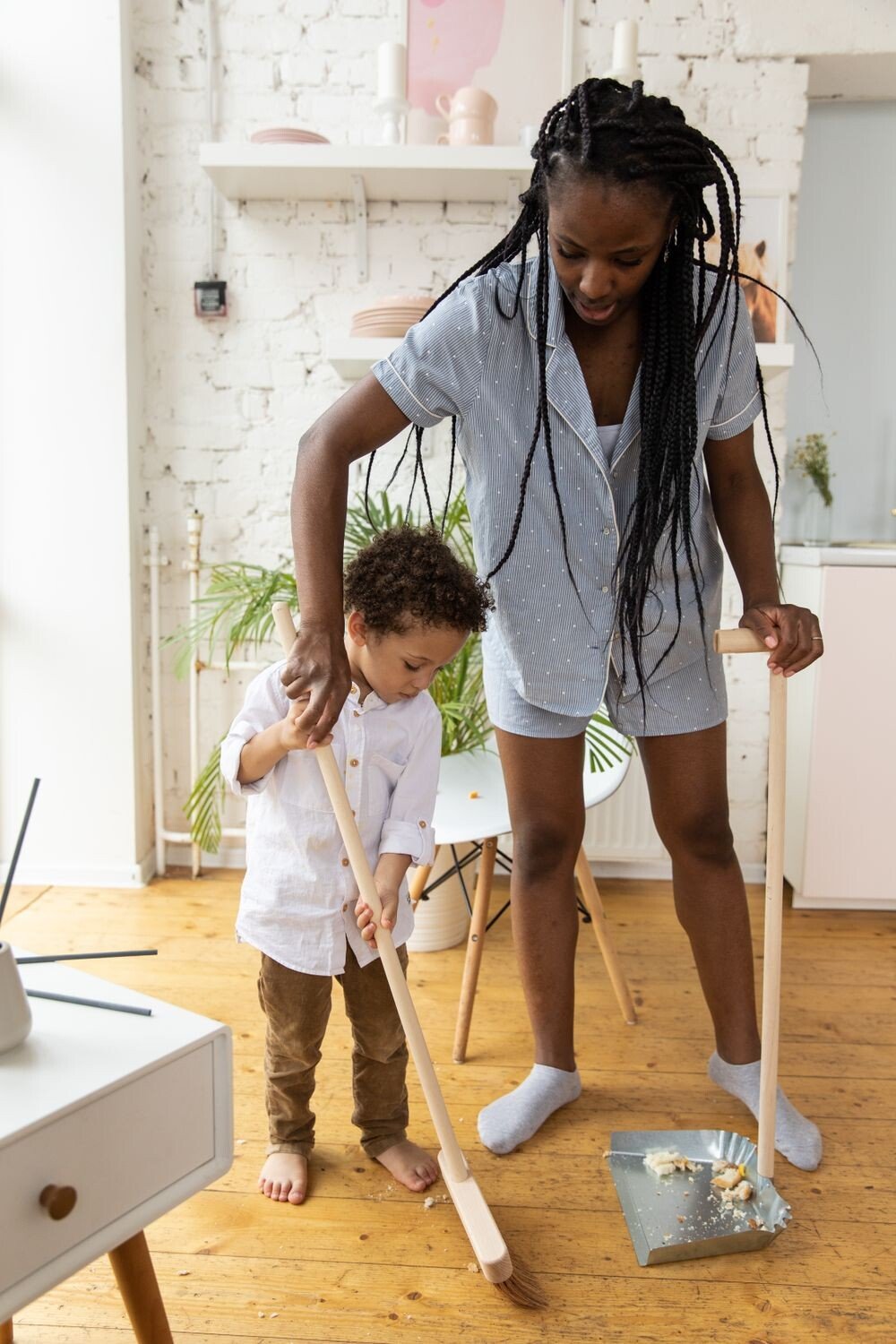
A bright chart on the fridge can turn chores into a team effort. It can use stickers, colors, or magnets so it feels more like a game than a job.
This habit teaches responsibility and cuts down on stress for parents. You can personalize it by matching tasks to each child’s age and giving each person jobs they can really do.
Some families like digital chore apps, but paper charts still work well and cost very little. The best chart is the one that feels clear, fair, and easy to follow each day.
4. Take a Short Walk Together

A walk around the block can clear the mind and wake up tired legs. Trees, dogs, clouds, and sidewalk cracks can all become part of a tiny shared adventure.
Walking helps bodies stay healthy and gives families time to talk side by side. You can make it special by choosing a favorite path, a fun playlist, or a simple goal like spotting birds.
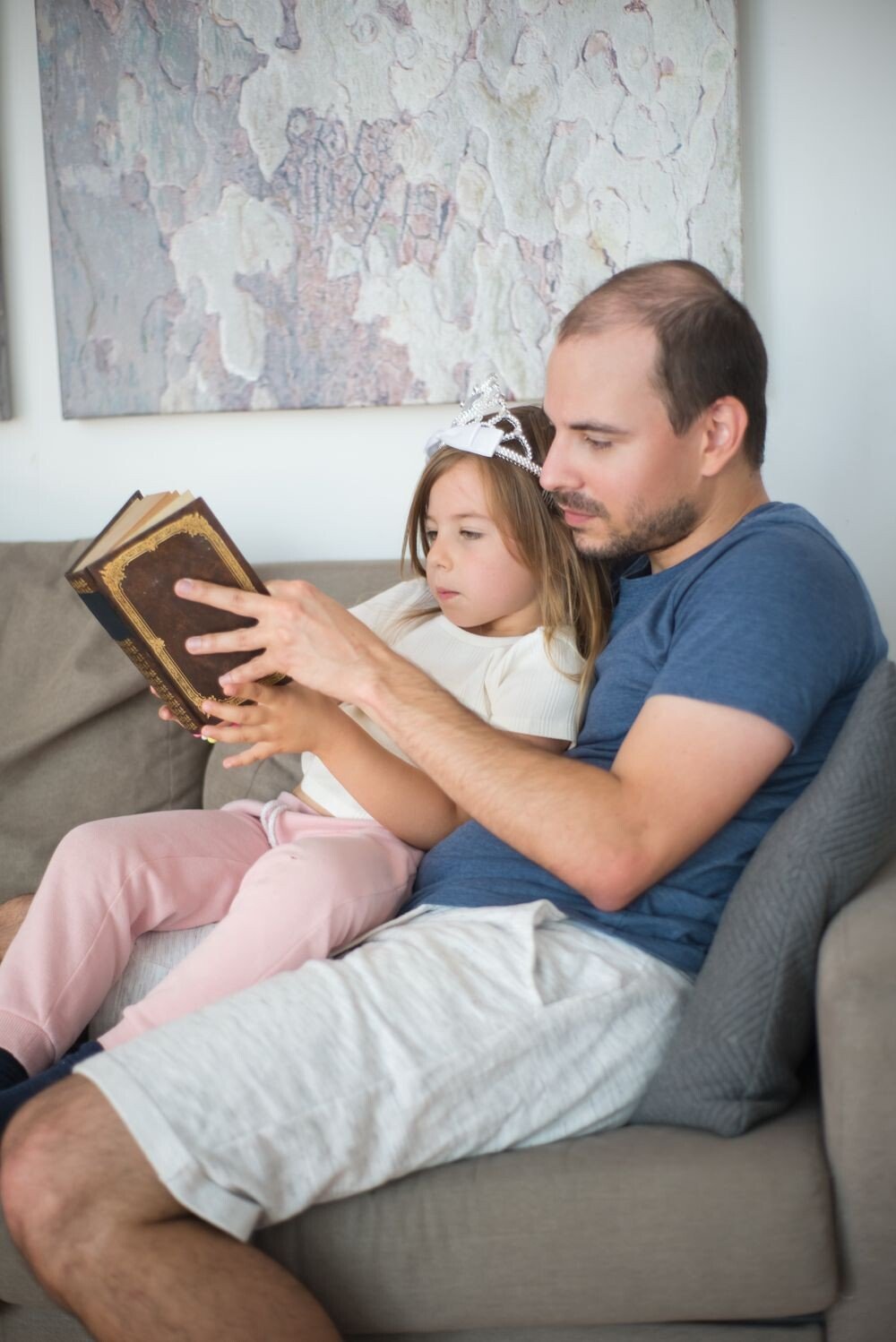
5. Read Aloud for a Few Minutes

A shared story can make a room feel quiet and cozy, like a soft blanket. Even a few pages can turn an ordinary evening into a sweet family memory.
This habit grows language skills and sparks imagination for kids and grown-ups alike. Pick books that match your family’s age range, interests, and bedtime energy so reading feels fun instead of forced.
Library books are a great low-cost choice, and many families now use e-books or audiobooks too. You can let each person take a turn reading a page, which makes the moment feel more shared.
6. Make a Daily Check-In

A quick check-in gives everyone a chance to say how they feel. It can happen in the car, at dinner, or while brushing teeth, and it only takes a moment.
This habit can stop small worries from growing bigger. Some families use a simple color system, like green for good, yellow for unsure, and red for hard days.
It works best when people feel safe being honest without being judged. Try keeping the questions gentle, such as “What was easy today?” and “What felt hard?” so the talk stays open and calm.
7. Put Away One Space Each Day
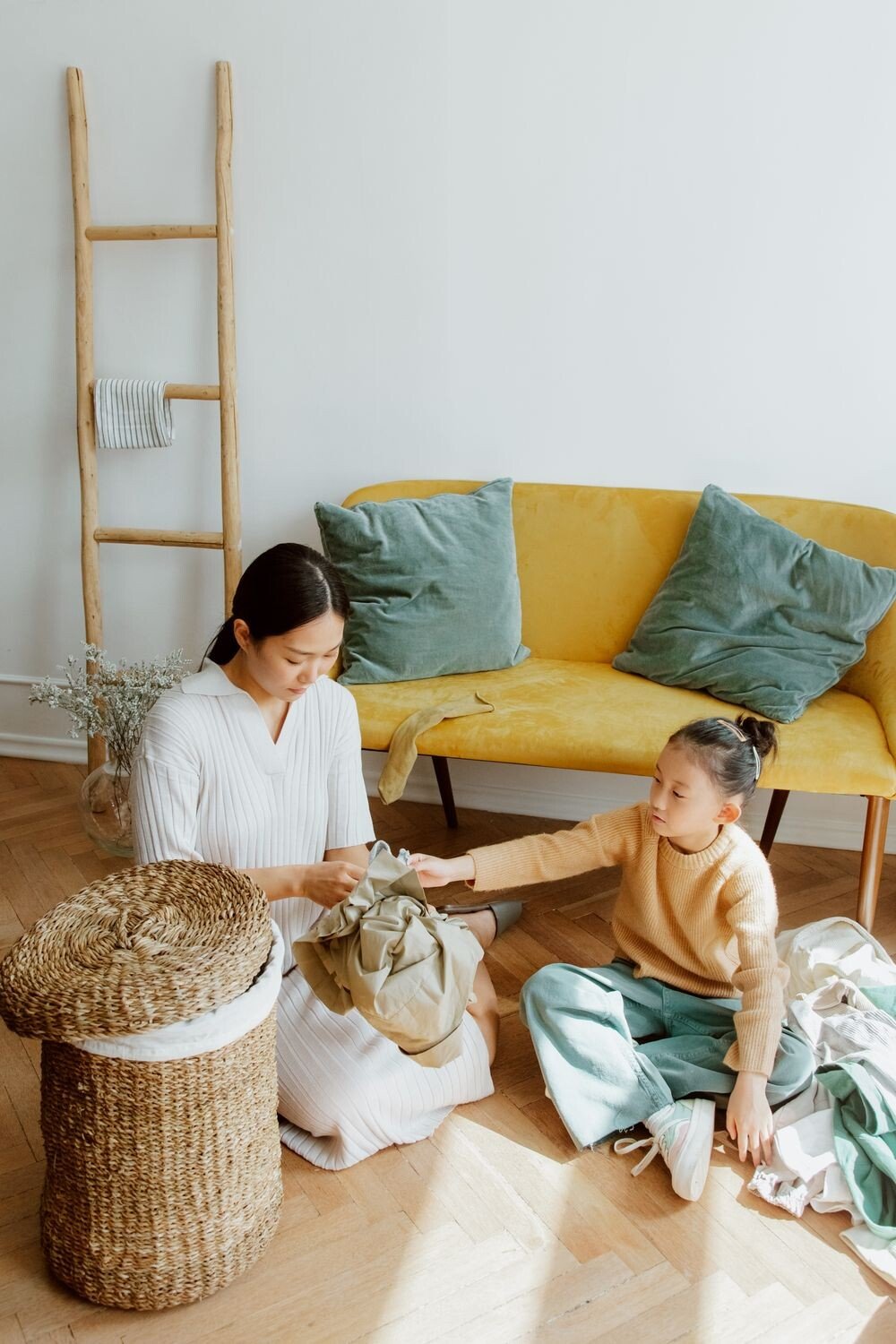
Choose one small spot, like the couch, shoes by the door, or a kitchen counter. A tidy corner can make the whole home feel lighter and easier to enjoy.
This habit keeps clutter from piling up and makes cleaning feel less scary. You can personalize the task by letting each family member pick a “home base” space that belongs to them.
Many people like baskets, bins, and labeled boxes because they are simple and stylish. The trend of using clear storage can help everyone see where things belong, which saves time and money later.
8. Cook One Simple Thing Together
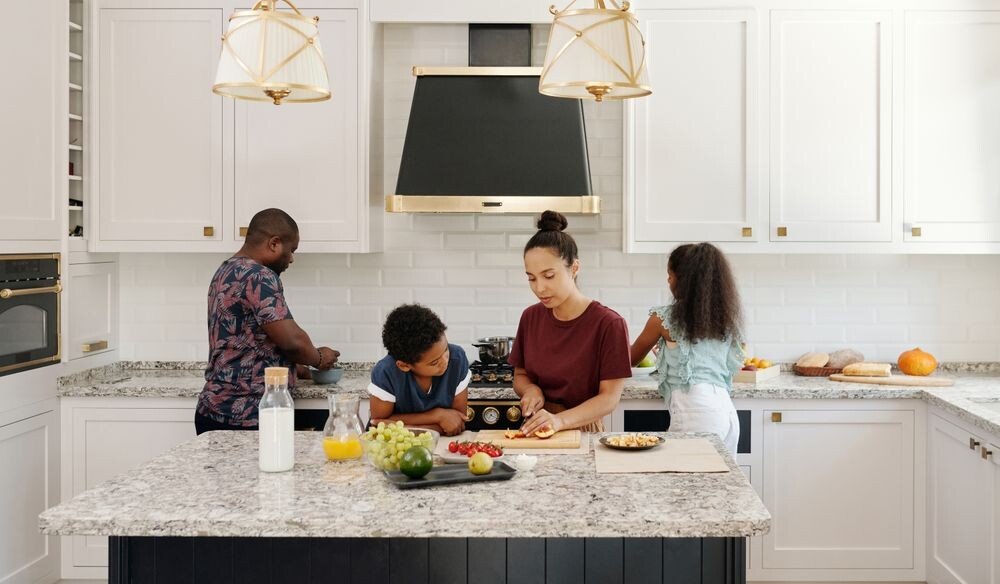
Making food as a team can be fun, even if the recipe is very easy. Stirring batter, washing fruit, or building sandwiches can turn the kitchen into a happy place.
This habit teaches useful skills and gives kids pride in helping. Choose recipes that fit your budget and your schedule, like toast with toppings, pasta, soup, or fruit salad.
You can make it feel special by using a favorite apron or playing music while you cook. Some families like to try new flavors from different cultures, which can make dinner feel fresh and exciting.
9. Practice a Tiny Kindness

A tiny kindness can be as small as holding a door or sharing the last cookie. These little acts can make the home feel soft and caring.
This habit builds empathy and helps children learn how to treat others well. You can make it personal by choosing a family kindness focus each day, like helping, thanking, or cheering someone up.
Kindness does not need money, and that is part of what makes it so powerful. A note in a lunchbox, a saved seat, or a gentle voice can brighten the whole day.
Some families keep a kindness jar with slips of paper describing good deeds. It creates a lovely visual reminder that caring actions matter, even when no one is watching.
10. Create a Screen-Free Hour
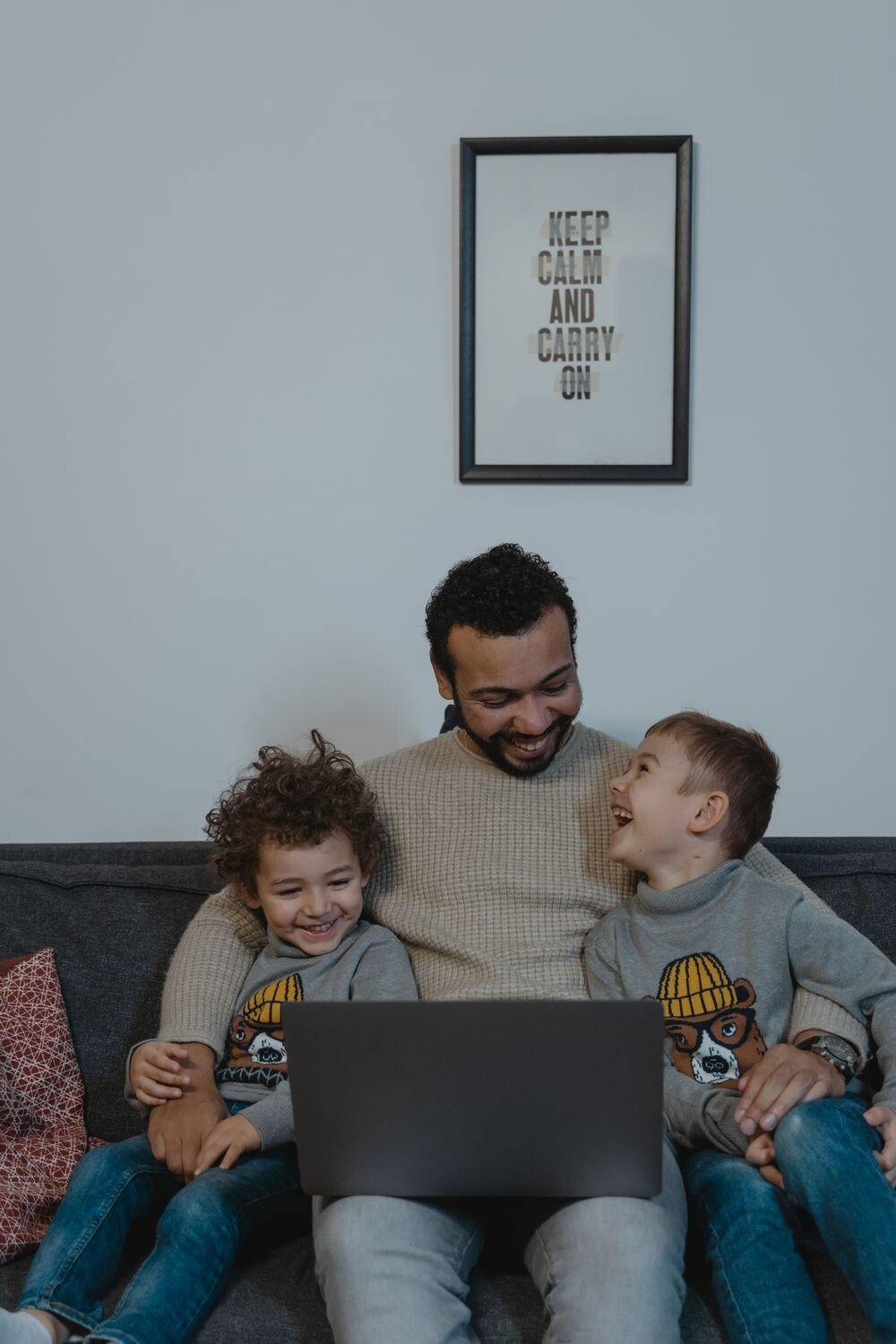
A screen-free hour can make the house feel calmer and more alive. Without phones or tablets, people often notice games, talks, books, and silly jokes again.
This habit can help everyone rest their eyes and minds. You can choose a time that fits your family best, like after dinner or before bed, so it feels realistic.
Many families now like “tech baskets” where devices rest in one place during quiet time. Try filling the hour with puzzles, drawing, music, or a simple cleanup so the time feels useful and fun.
11. Keep a Family Memory Spot
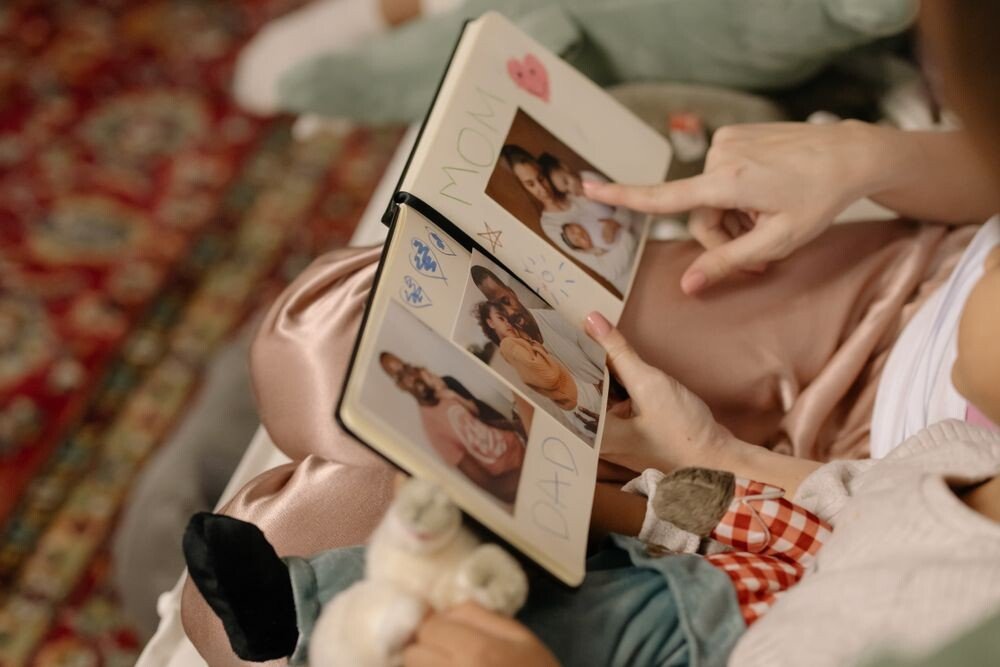
A shelf, box, or bulletin board can hold tiny pieces of family life. Photos, ticket stubs, drawings, and notes can make the space feel warm and full of stories.
This habit helps everyone remember happy moments, big and small. You can personalize the spot with holiday items, school art, or a new photo each week so it changes with your life.
It does not need to cost much, since a simple box or wall space works fine. Some families like a modern look with clean frames, while others enjoy a colorful, mixed-up style that feels more playful.
12. Give Everyone a Voice at Planning Time

Family plans go smoother when each person gets a say. A child may want park time, while a parent may need a quiet evening, and both can matter.
This habit can reduce grumbling because people feel included. Try a short weekly chat where everyone names one wish, one need, and one thing they can help with.
You can keep the meeting simple with paper notes, a whiteboard, or even dinner napkins. The best part is that the plan becomes more fair and more likely to work for real life.
It is also a good way to teach compromise in a gentle way. When families make choices together, they often feel more like a team and less like a crowd.
13. Dance or Move for Fun

Turn on music and let the family move in any way that feels good. The living room can become a tiny dance floor with laughter bouncing off the walls.
This habit helps bodies stay active and lifts moods fast. You can make it fit any home by choosing a favorite song, a silly freeze dance, or a stretch break after school.
Movement trends like short home workouts are popular because they are easy to squeeze into busy days. Best of all, this habit costs almost nothing and can be changed to match each person’s energy level.
14. Say Thank You Out Loud

A spoken thank you can make a plain day feel special. Hearing appreciation from a family member can warm the heart like sunshine through a window.
This habit helps people notice the good things others do. It works well when you thank someone for small actions, like setting the table, sharing a snack, or listening carefully.
Try making gratitude personal by naming the exact thing that helped you. Instead of a quick “thanks,” say what you noticed, because that makes the praise feel more real and caring.
15. Keep a Calm-Down Corner
A calm-down corner can be a soft chair, a pillow spot, or a small rug with gentle items. The space should look peaceful, with simple colors, a book, or a stuffed animal nearby.
This habit gives family members a place to reset when feelings get too big. You can add low-cost items like a timer, a stress ball, or a jar of glitter water to help the space feel soothing.
Some families use this idea because calm spaces are a growing trend in homes and classrooms. The corner works best when it is seen as a helpful break, not a punishment, so everyone feels safe using it.
16. Plan Tomorrow the Night Before

A few minutes of planning can make mornings much smoother. Backpacks, shoes, lunch items, and clothes can wait by the door instead of causing a rush.
This habit lowers stress and saves time when the house is sleepy. You can personalize it by making a family launch pad with hooks, bins, and a small tray for keys or notes.
Many busy homes like this idea because it feels simple and practical. It also helps kids learn to prepare for their own day, which builds confidence over time.
Try keeping the plan short so it does not feel like a long meeting. A quick check of school needs, weather, and activities is often enough to keep the next day on track.
17. Share One Story From the Day
At dinner or bedtime, each person can tell one little story from the day. It might be a funny moment, a tricky moment, or something surprising they noticed.
This habit builds memory and helps family members learn more about one another. You can make it unique by using a story jar with prompts like “best sound,” “new thing,” or “kind act.”
Stories do not have to be big to matter, and that is what makes this habit easy to keep. Even shy kids can join in with one sentence, a drawing, or a simple yes or no answer.
Parents may like this because it opens the door to better talks without pressure. The more often the habit happens, the more natural it feels for everyone to speak up.
18. Celebrate Small Wins

A small win can be finishing homework, making the bed, or trying a new food. Celebrating these moments helps home life feel hopeful and kind.
This habit teaches family members to notice progress instead of only problems. You can keep it low-cost with claps, cheers, a sticker, or a happy note on the fridge.
Some families use a “wins board” because it creates a bright visual reminder of effort. It can be personalized with each person’s favorite color, doodles, or short quotes that feel encouraging.
Celebrating small wins is also a good fit for today’s focus on healthy mental habits. When people feel noticed, they often keep trying with more confidence and less fear.
19. Keep One Shared Family Project
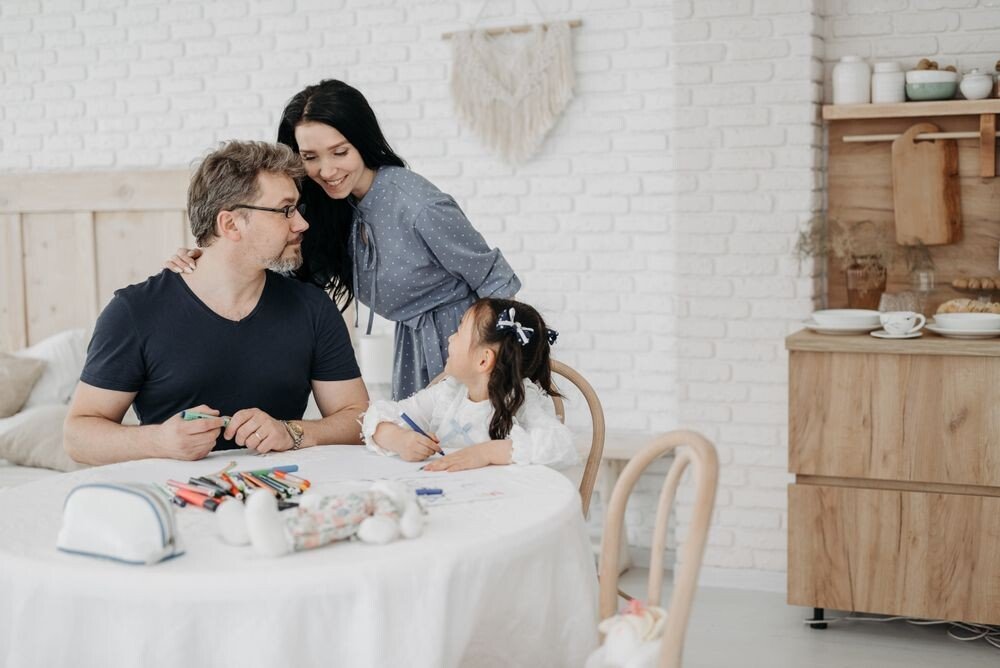
A shared project gives everyone something to build together over time. It could be a garden pot, a puzzle, a scrapbook, or a bird feeder by the window.
This habit creates teamwork and gives the family a common goal. You can choose something that fits your space, your budget, and your season, so it feels fun instead of stressful.
Families often enjoy projects that show progress in a visual way. Watching a plant grow or pages fill up can make daily effort feel exciting and rewarding.
20. End the Day With a Gentle Goodbye

A calm bedtime goodbye can bring the day to a soft close. A hug, a kiss, a whispered wish, or a hand squeeze can make children feel safe and loved.
This habit helps the whole house settle down and can lead to better sleep. You can personalize it with a special phrase, a bedtime blessing, or a tiny ritual like turning on a night-light together.
Many families like this final moment because it is simple, free, and deeply comforting. The room may be dark and quiet, but the feeling it leaves behind can stay bright until morning.