Life after forty can feel sharper, calmer, and more demanding at the same time. A better routine can make the whole day feel lighter.
1. Start With a Gentle Morning Reset
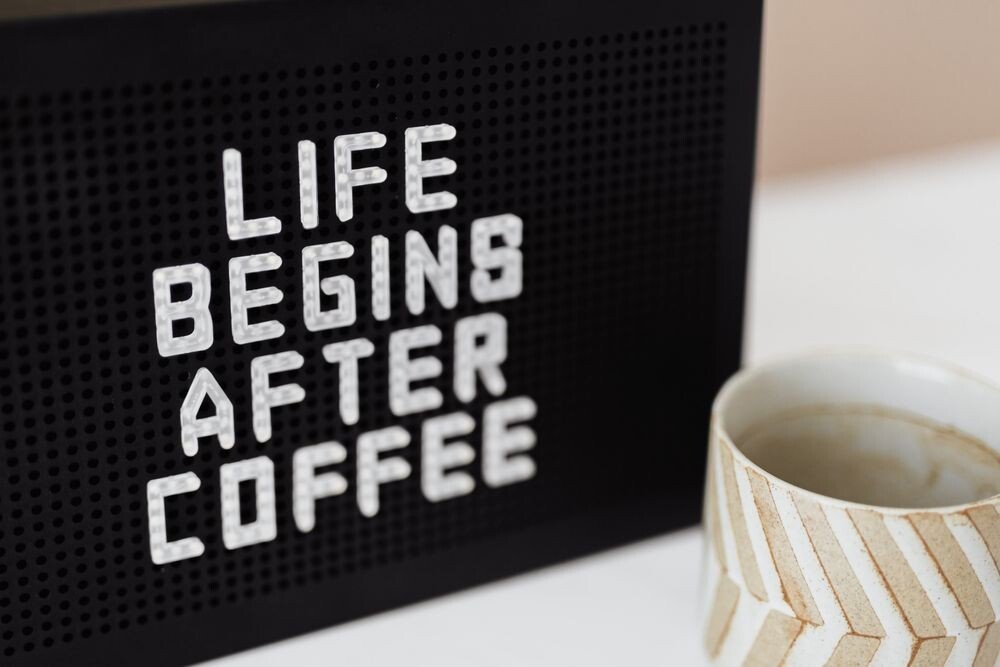
A soft morning can set the tone for the whole day. Think of sunlight on a clean table, a warm mug in your hands, and a few quiet minutes before the rush begins.
Try waking up at the same time most days and giving yourself a small buffer before checking your phone. This can lower stress and help your mind feel more steady. If you like, add a short stretch, a glass of water, or a few deep breaths to make the start feel personal.
2. Build a Routine Around Your Energy, Not Your Age

Your body may not run the same way it did years ago, and that is okay. A routine that respects your energy can feel more natural and much easier to keep.
Notice when you feel sharp, sleepy, hungry, or restless during the day. Put your hardest tasks in your best hours and save simple chores for low-energy times. This kind of planning costs nothing, but it can save a lot of frustration.
Some people feel strongest in the morning, while others wake up slowly and hit their stride later. A routine that fits your real rhythm is more unique than copying someone else’s schedule. That simple shift can help you get more done with less strain.
3. Make Breakfast Easy, Colorful, and Repeatable
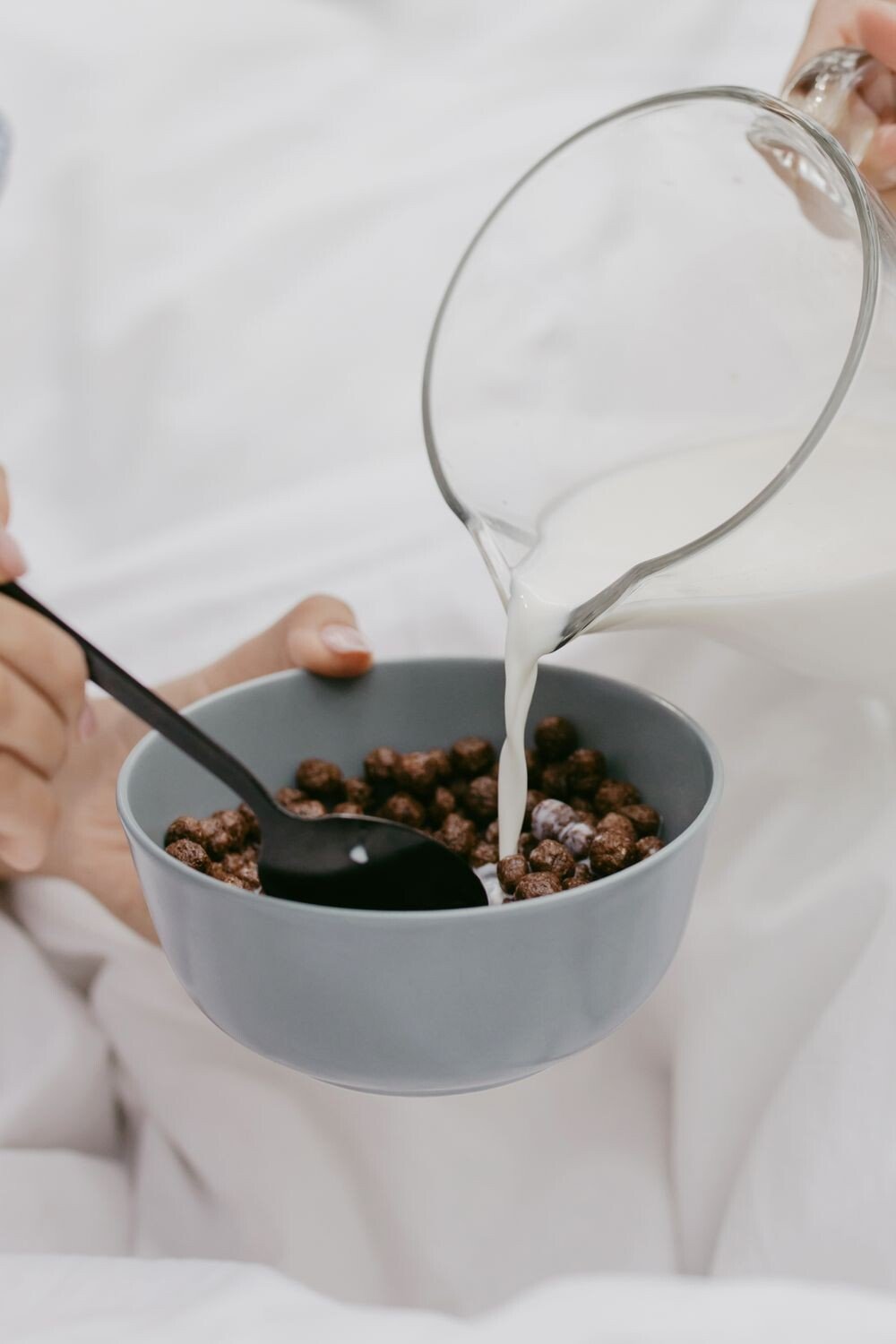
A good breakfast can feel like a small gift to yourself. Picture a bright plate with fruit, eggs, toast, or yogurt sitting on a sunny counter.
Keep a few easy breakfast choices ready so you do not have to think too hard early in the day. Repeating a favorite meal can save time and money while still feeling comforting. If you want more variety, rotate toppings, spices, or fruit by season.
Many people now use simple meal prep to make mornings smoother. A routine like this can support steady energy and fewer snack crashes later. It also makes grocery shopping easier because you know what you need.
4. Use a Short Planning Time Each Evening
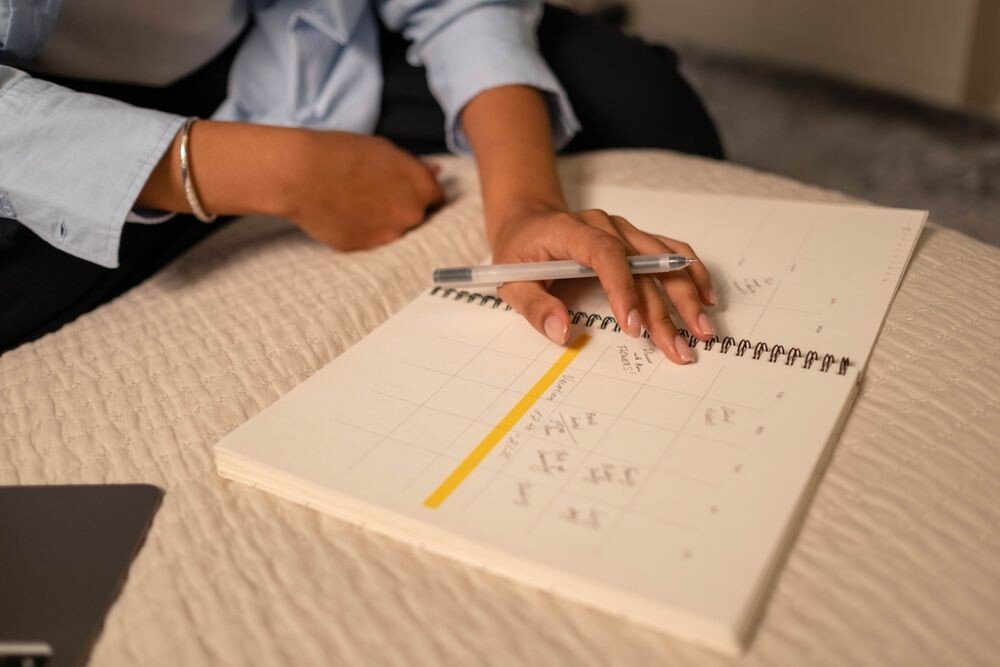
Evenings can be a quiet place to prepare for tomorrow. A notebook, a soft lamp, and a short list can make the next day feel less messy.
Write down the top things you need to do, then keep the list small and clear. This helps your brain rest because it does not have to hold everything at once. If you enjoy color, use one pen for work and another for home tasks.
This habit works well for people who feel overwhelmed by long to-do lists. It is also low-cost and easy to keep up. A few minutes of planning can bring more calm to the whole house.
5. Protect Your First Hour From Noise

The first hour after waking can shape your mood in a big way. Quiet space can look like open curtains, a still room, and no phone buzzing in your hand.
Try keeping news, social media, and email off your morning list for a while. That small boundary can help you feel more in charge of your day. If silence feels too empty, play soft music or a calm podcast instead.
Some people like to use this time for prayer, journaling, or a short walk outside. That makes the routine feel personal and not stiff. It is a simple habit with a strong payoff for focus and peace.
6. Move Your Body in a Way You Actually Enjoy

Exercise does not need to look intense to be useful. A walk on a tree-lined street, a dance in the kitchen, or a few slow stretches can all count.
Pick movement that feels kind to your joints and fits your day. This can improve mood, balance, and sleep without needing fancy gear. If you want to keep costs down, use free videos, local parks, or bodyweight moves at home.
The best routine is the one you can repeat without dread. You may like morning movement, lunch breaks, or evening walks, and that choice can be very personal. Small daily motion often beats a hard workout that never happens.
7. Keep Your Home Simple and Easy to Reset
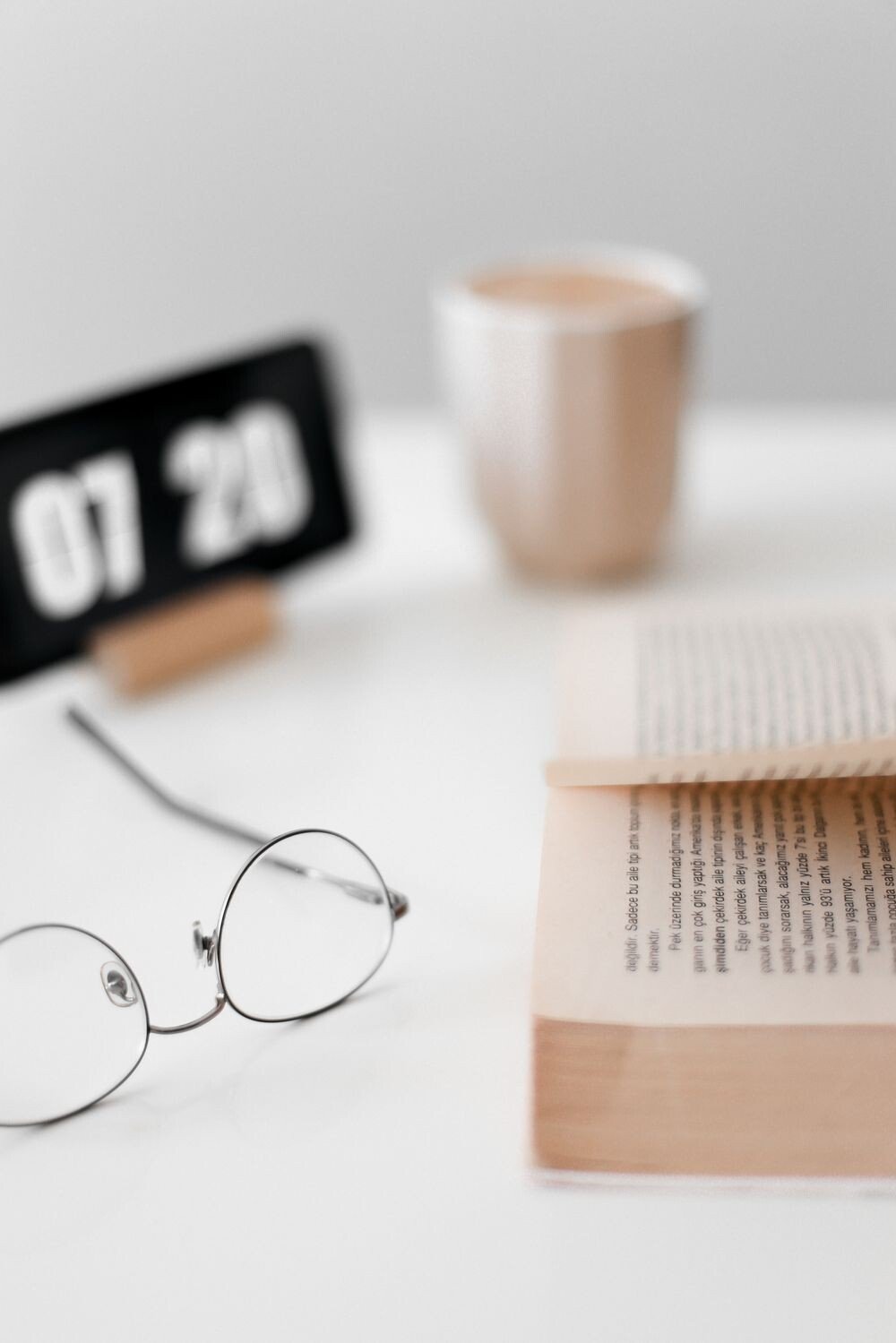
A cluttered room can make your mind feel busy too. A neat shelf, folded blanket, and clear tabletop can make the day look calmer right away.
Choose one small reset task for each day, like clearing the sink or putting shoes away. This keeps mess from growing into a big job. It also makes your routine feel lighter because the space supports you.
Simple storage bins, hooks, and labels can help without costing much. Many people like a more minimal look now because it feels fresh and easy to maintain. You can make it your own by keeping only the items you truly use.
8. Drink Water Before You Feel Tired

Thirst can hide behind tiredness, hunger, and even a foggy mood. A clear glass of water on the counter can be a small visual reminder to sip often.
Keep a bottle near your bed, desk, or car so water stays within reach. This tiny habit can support energy and focus during the day. If plain water feels boring, add lemon, cucumber, or mint for a fresh taste.
Reusable bottles are a smart cost choice because they last a long time. Many people now like simple tracking bottles with marks on the side, but you do not need anything fancy. The best version is the one you will actually use.
9. Put Boundaries Around Screen Time

Too much screen time can make the day feel split into tiny pieces. A phone resting face down on a wooden table can look peaceful in a way that a glowing screen does not.
Set a few screen-free times, such as during meals or right before bed. This can help your mind slow down and your sleep feel deeper. If you use screens for work, keep personal scrolling in a separate time block.
Many people are now choosing calmer digital habits because they want more attention for real life. This shift does not cost money, only a little practice. You can make it personal by choosing the hours that matter most to you.
10. Plan One Thing to Look Forward To
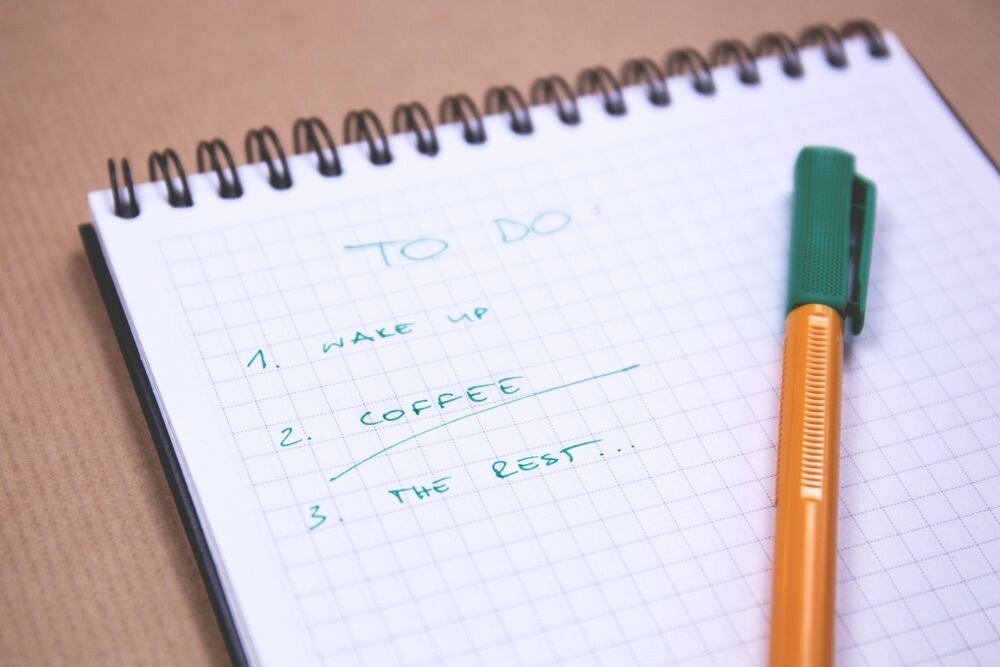
A routine feels better when it has a spark in it. That spark could be a walk in a pretty park, a favorite tea, or a call with someone kind.
Put one pleasant thing into each day so it does not all feel like work. This gives your routine a softer edge and can raise your mood. It does not need to be expensive, and often the best parts are free.
Some people like to keep a small joy list on the fridge or in a planner. That makes the habit easy to personalize and fun to change with the season. A little anticipation can make ordinary days feel more alive.
11. Eat Lunch Before You Crash

Waiting too long to eat can make the afternoon feel rough. A simple lunch on a bright plate can be the pause that keeps the rest of the day steady.
Try setting a lunch time instead of waiting until you feel shaky. Balanced food can help your mood, memory, and energy stay more even. If you work from home, prepare something easy the night before so you are not tempted to skip it.
Leftovers, soups, wraps, and grain bowls are popular because they save time and money. You can also adjust them to fit your taste, budget, or health needs. This makes lunch both practical and personal.
12. Give Your Afternoons a Fresh Start
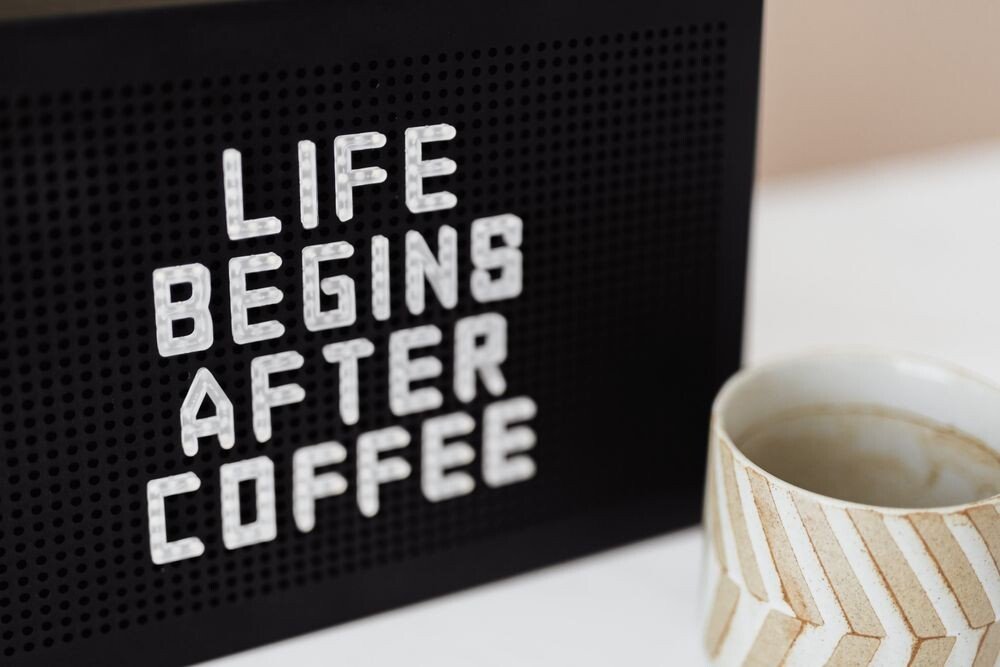
Many people hit a slump after lunch. A short reset can feel like opening a window in a stuffy room.
Stand up, stretch, step outside, or tidy your desk for a few minutes. That small break can help your brain wake up again. If your work allows it, use this time for easier tasks instead of heavy thinking.
Some people like a quick tea break or a brief walk around the block. These little rituals are easy to repeat and cost very little. They can make the middle of the day feel less flat and more human.
13. Keep Learning in Small Pieces
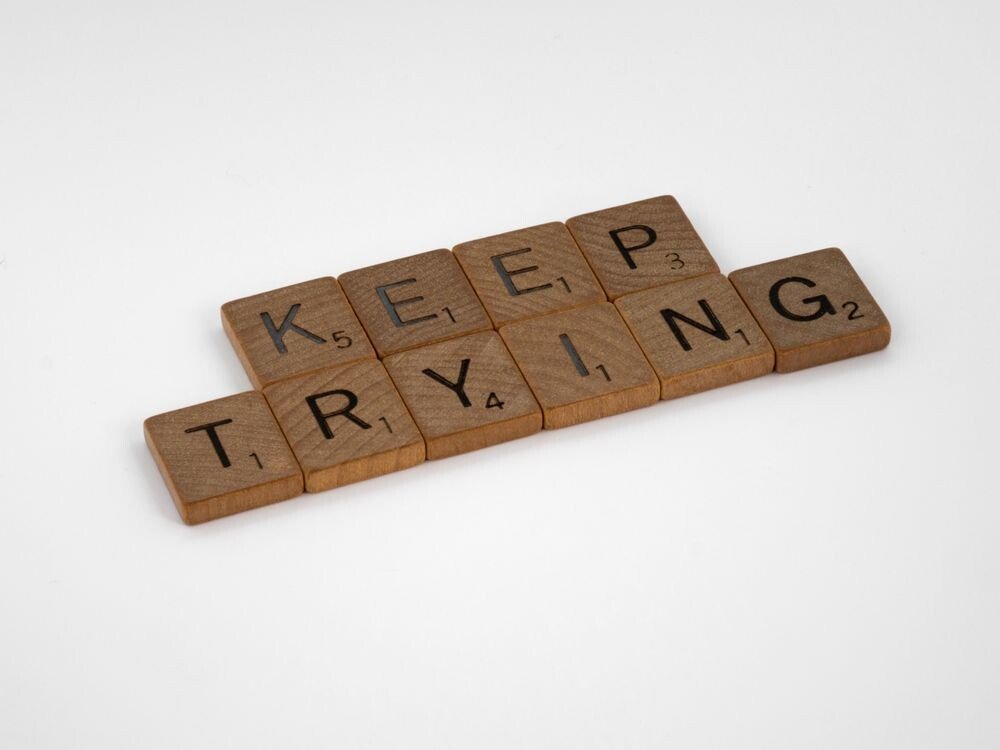
A better routine can include your mind as well as your body. A few pages of a book, a short lesson, or a helpful article can bring a fresh spark to the day.
Choose learning that fits your life, not a huge goal that feels heavy. This might be language practice, gardening tips, cooking ideas, or a podcast on your commute. Small steps keep the habit friendly and doable.
Free library apps, public talks, and online lessons can keep costs low. A learning habit can also feel very unique when it matches your interests and values. The goal is to keep curiosity alive in a simple way.
14. Make Sleep a Real Part of the Routine
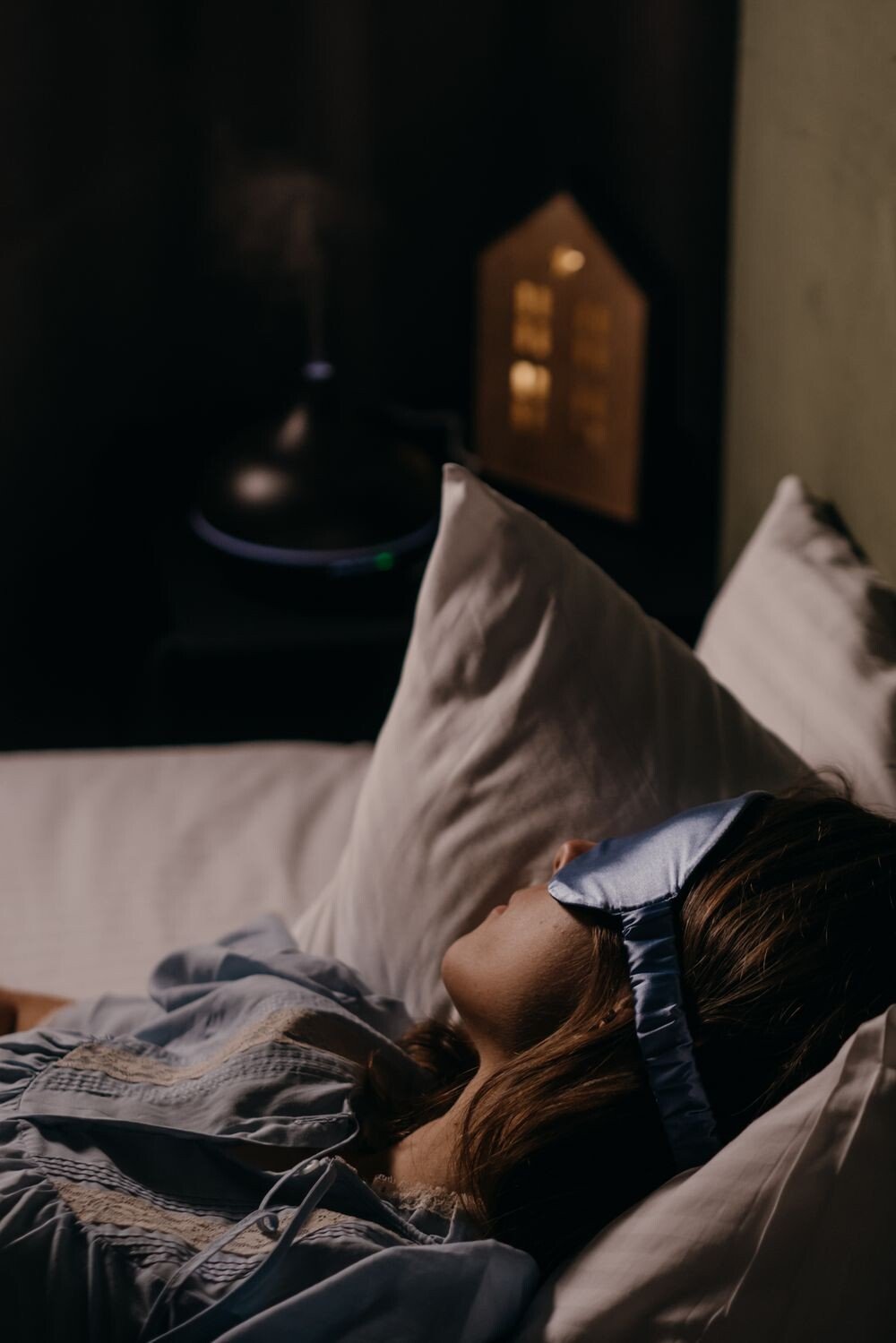
Good sleep starts before your head hits the pillow. A dim room, soft sheets, and a quieter evening can help your body know it is time to slow down.
Try a regular bedtime and a short wind-down habit like reading or gentle stretching. This can improve mood, focus, and patience the next day. If your room is too bright or noisy, small changes like curtains or a fan can help a lot.
Sleep tools do not need to be costly, but a good pillow or blackout shade may be worth the money if they solve a real problem. Many people now care more about sleep routines because they want better energy and less stress. You can shape the habit around what helps you rest best.
15. Use Tech to Help, Not Hijack, Your Day

Technology can be useful when it serves your routine instead of running it. A clean phone screen with only a few helpful apps can feel much calmer than a crowded home screen.
Set alarms for medicine, water, breaks, or bedtime if those reminders help you. This can keep the day on track without using extra mental energy. You can also turn off alerts that are not important.
Some people like smart watches, while others prefer paper planners and simple timers. The right choice depends on your style, budget, and comfort. A good routine should feel like support, not pressure.
16. Make Time for Quiet and Stillness
Quiet time can be one of the most powerful parts of the day. A chair by a window, a closed door, and a few slow breaths can change the mood of a whole house.
Even a few minutes of stillness can help you think more clearly and react less quickly. This can be especially helpful after forty, when life may feel full of work, family, and change. If silence feels hard, start with a soft timer and build from there.
People often add meditation, prayer, or simple breathing to this part of the routine. It costs nothing and can be shaped to fit your beliefs and comfort. That makes it one of the most personal habits you can keep.
17. Keep Social Time on Purpose
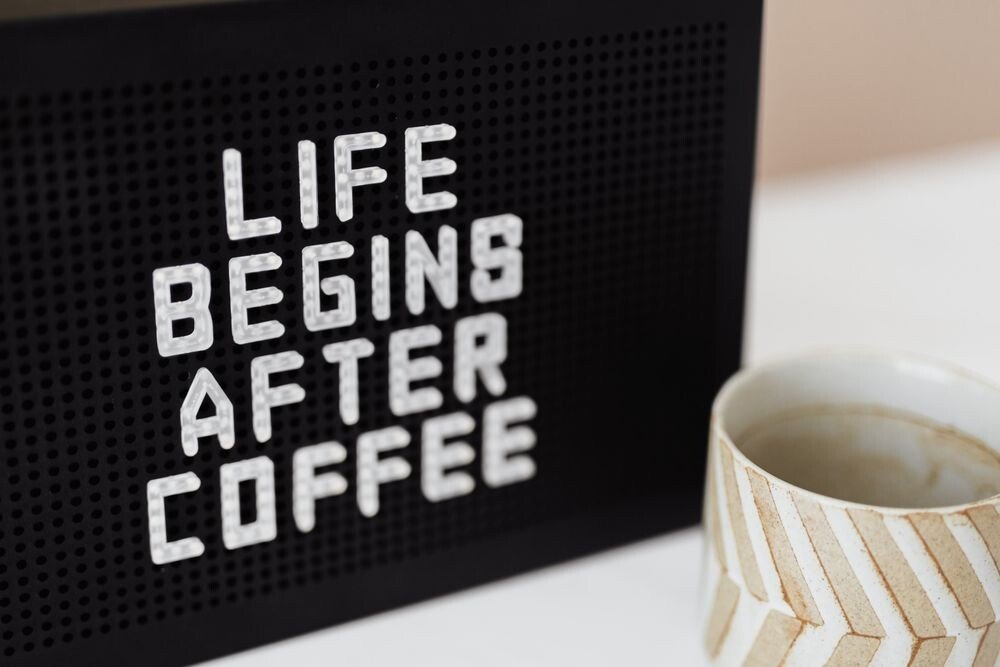
Good routine is not only about tasks. A shared meal, a phone call, or coffee with a friend can make the day feel warm and real.
Set time for people who lift you up, even if it is short. This can support happiness and lower loneliness. If your schedule is tight, a weekly walk or regular text check-in can still matter a lot.
Social plans do not need to be fancy or costly. Many people now prefer simple, low-key meetups that feel easy and honest. You can choose what fits your energy and your circle.
18. Keep a Small Hobby in Reach
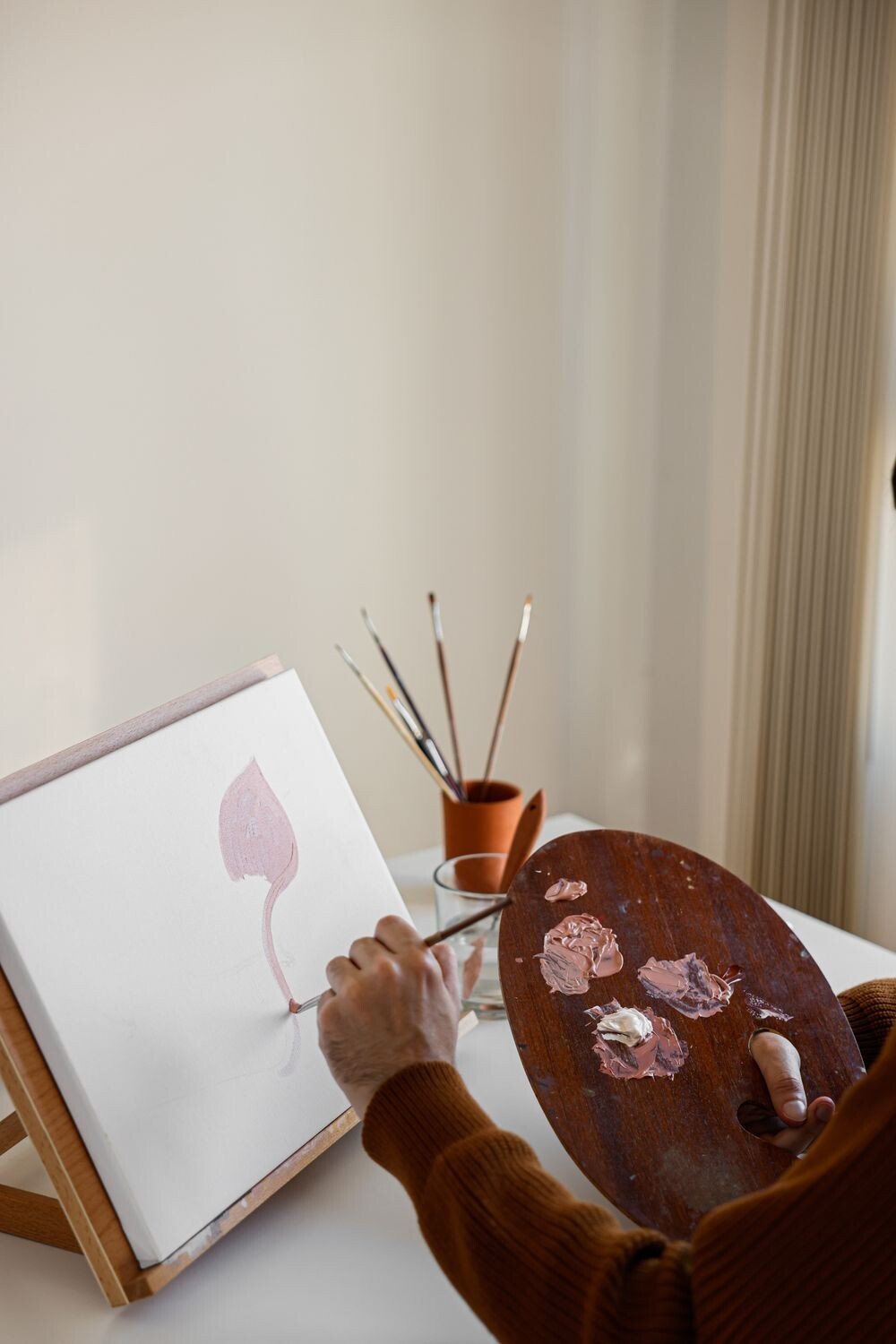
Hobbies add color to the day. A basket of yarn, a sketchbook on a side table, or a guitar by the couch can invite you to play a little.
Choose a hobby that fits your time and your hands, not one that adds stress. This can be reading, baking, drawing, puzzles, or caring for plants. A small hobby break can refresh your mind and make the routine feel less stiff.
Many hobbies are low-cost if you start simple and use what you already have. Current trends lean toward slow hobbies that feel calming and handmade. That makes room for your own style instead of chasing perfection.
19. Review What Is Working Every Week
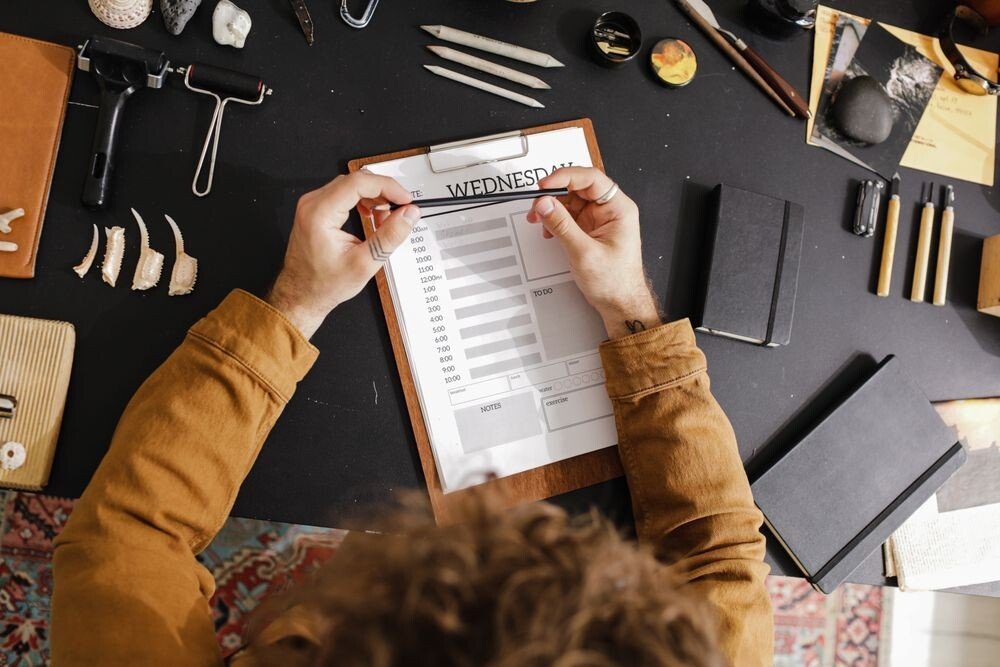
A routine should not stay frozen forever. A quiet Sunday table, a notebook, and a cup of coffee can be a good place to check in with yourself.
Ask what felt easy, what felt hard, and what needs a small change. This keeps your routine honest and useful. If something is not working, adjust it without blaming yourself.
You might move a workout, change a meal, or shorten a chore block. These tiny edits can make a big difference over time. A routine that grows with you is more likely to last.
20. Keep It Kind and Realistic
The best routine is not the busiest one. It is the one that feels steady, kind, and possible on both good days and hard days.
Leave room for rest, surprise, and imperfect moments so you do not feel trapped by your own plan. That flexibility can protect your energy and help you stay consistent. It also makes the routine feel more human and less like a rulebook.
Some days will be neat and some will be messy, and that is normal. What matters is that your routine supports the life you want now, not the life you had years ago. When it fits your real world, it becomes easier to keep coming back to it.