
Home changes with age, and so do the people who live in it. The smartest homes feel calm, useful, and deeply personal.
1. Your home should support your energy, not drain it

A home can look beautiful and still feel tiring if it asks too much from you. After forty, comfort matters in a very real way.
Think about the rooms you use most and make them easier to move through. Clear paths, soft lighting, and simple storage can make a space feel open and peaceful. Small changes often cost less than a big makeover and can bring a big lift in daily life.
2. Good lighting changes everything

Bright, layered light can make a room feel fresh and safe. It also helps with reading, cooking, and seeing details without strain.
Mix ceiling lights with lamps and task lights so each area works for its job. Warm bulbs can make a living room feel cozy, while clear light works well in a kitchen or laundry room. A new lamp, a dimmer switch, or better bulbs can be a low-cost update with a stylish look.
Try placing a lamp near a favorite chair or adding under-cabinet lights in the kitchen. These small touches make a home feel more personal and current. They also help a room glow in a gentle, welcoming way.
3. Storage is about ease, not just neatness
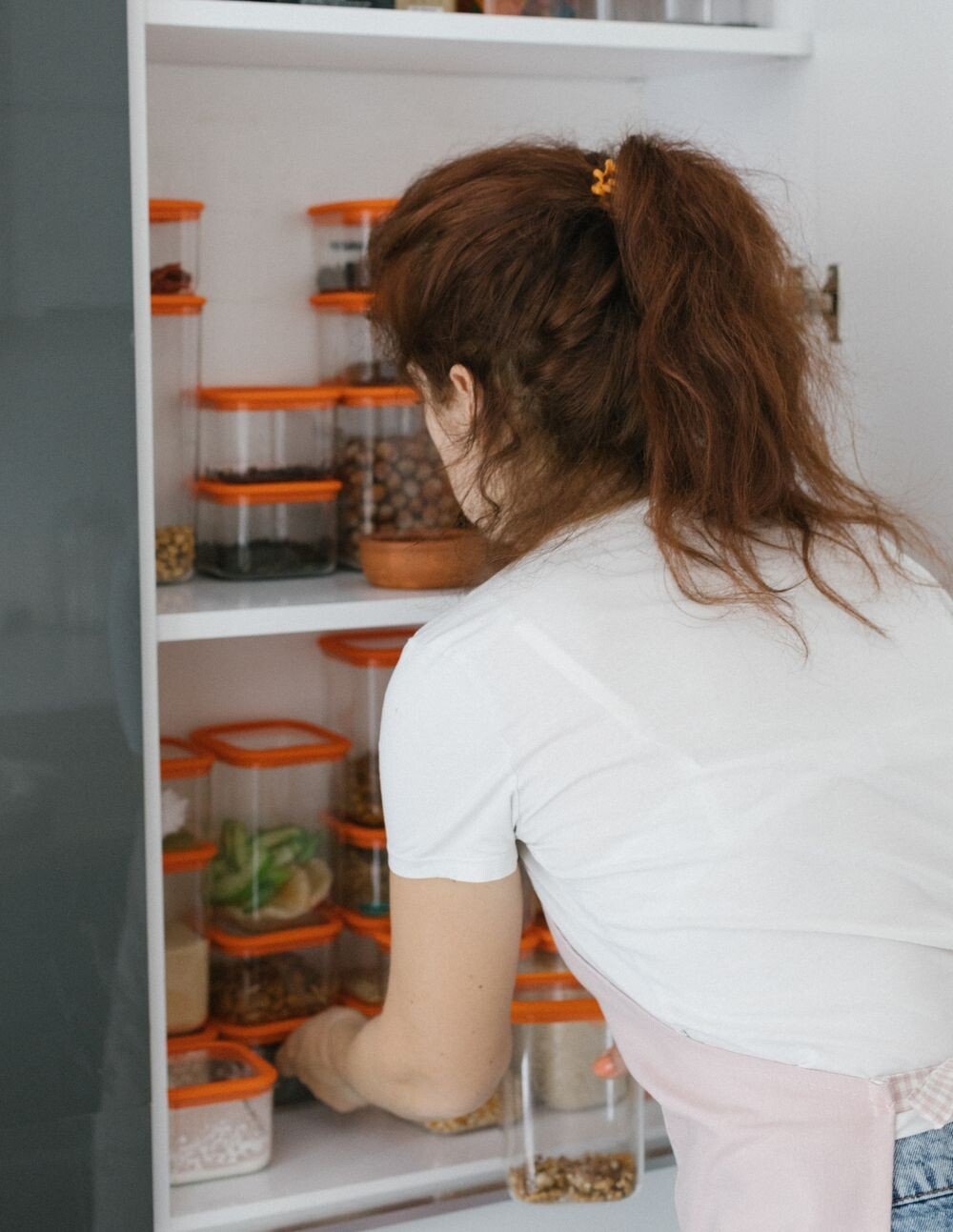
Pretty baskets and bins are nice, but easy access matters more. If you cannot find what you need, the storage is not truly working.
Group items by use, not just by type, so daily things stay close at hand. Label shelves or drawers in a simple way to save time and stress. Clear containers can look tidy and help you see what you already have, which can cut waste and extra spending.
Choose storage that fits your style, like woven baskets, slim drawers, or open shelves. A room feels unique when the storage matches the rest of the decor. The best setup is one you can keep up without much effort.
4. A kitchen should make cooking feel easier

The kitchen is often the busiest room in the house. It should help you move smoothly from one task to the next.
Keep the tools you use most near the stove, sink, and prep area. This saves steps and makes meal prep feel less like work. A few good items can do more than a drawer full of cheap gadgets, so spend with care.
Open shelving, pretty jars, and a clean counter can give the room a modern look. If you like color, add it with dishes, tea towels, or a small rug. Personal touches make the space feel warm without adding clutter.
5. Your bedroom should feel like a retreat
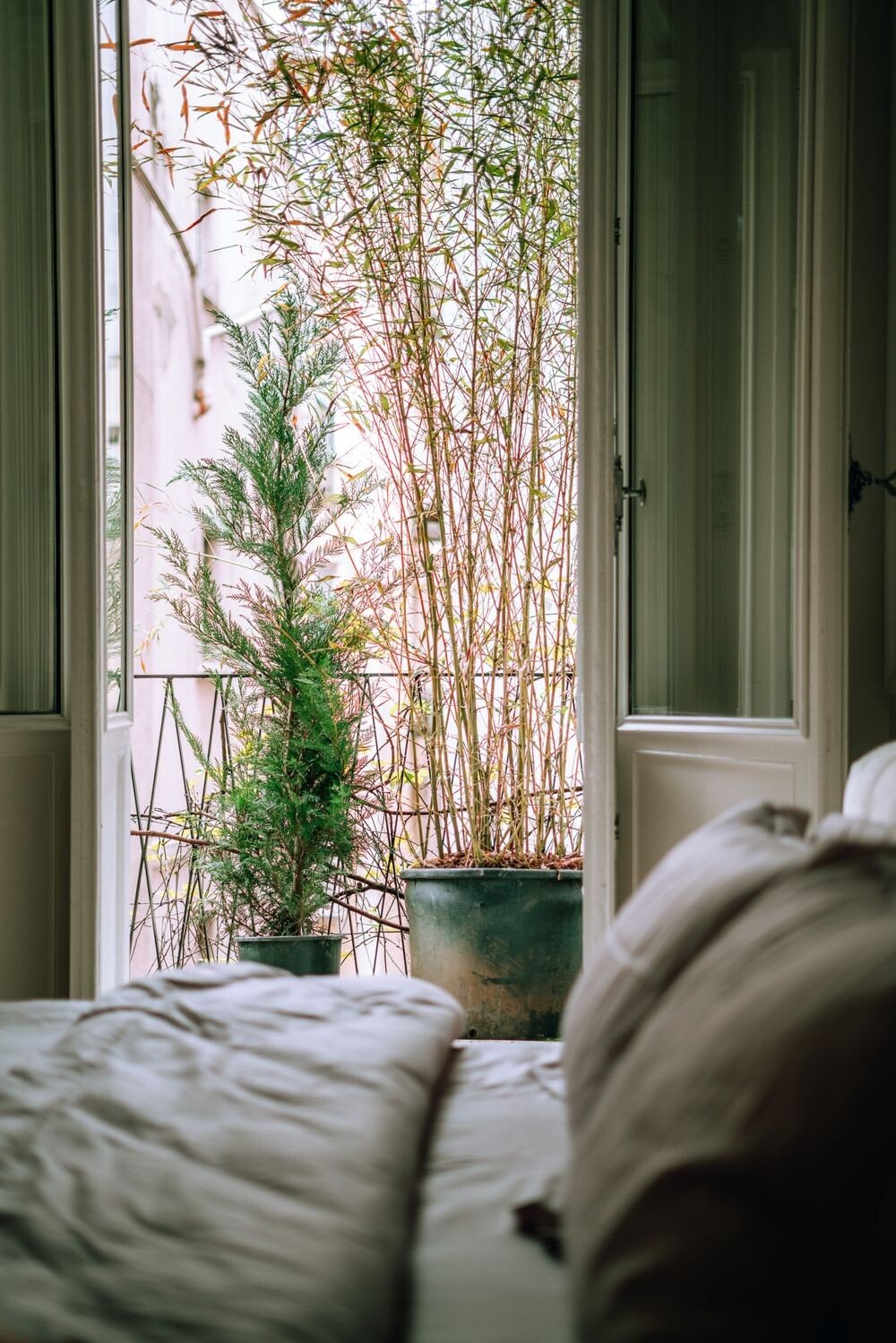
A bedroom is not just for sleep. It should help your body and mind slow down at the end of the day.
Soft sheets, a supportive pillow, and blackout curtains can improve rest in a simple way. Calm colors often feel soothing, but your own taste matters most. A well-made bed can make the whole room look polished with very little effort.
Keep the room free from too many extras so it feels restful, not busy. A small bench, a reading light, or a favorite framed photo can add charm. If you want a fresh trend to try, use layered bedding in plain colors and one textured throw.
6. Cleaning works better when it fits your real life
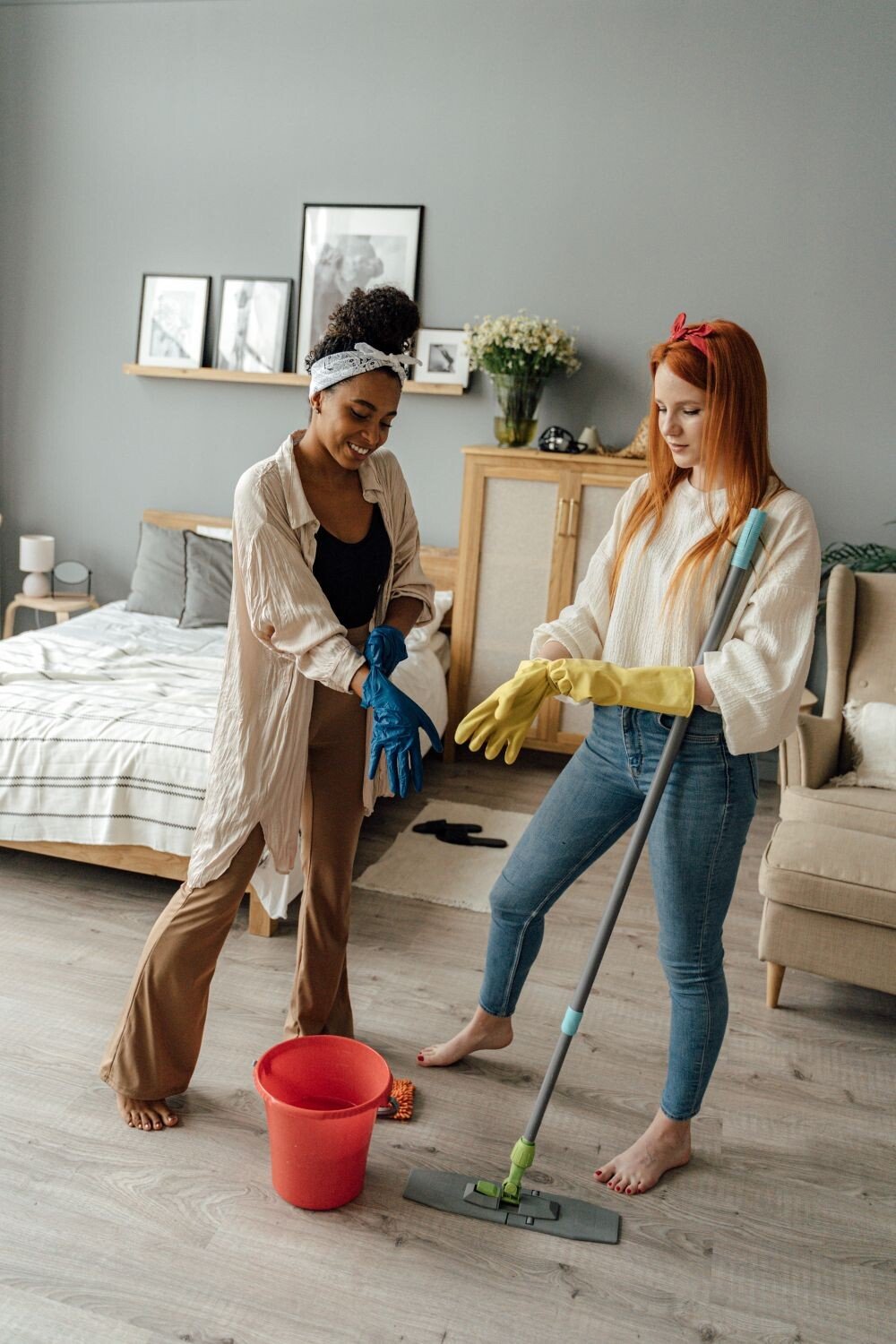
There is no prize for doing chores the hard way. A simple routine often works better than a perfect plan.
Break tasks into small pieces so they do not pile up. Wipe surfaces while you wait for water to boil or sort one drawer while watching a show. This keeps the house looking cared for without taking over your whole day.
Pick tools that save time, like a lightweight vacuum or washable cloths. These items may cost more at first, but they can last longer and feel easier to use. A cleaner home often feels brighter and more welcoming right away.
7. Comfort furniture matters more than matching sets
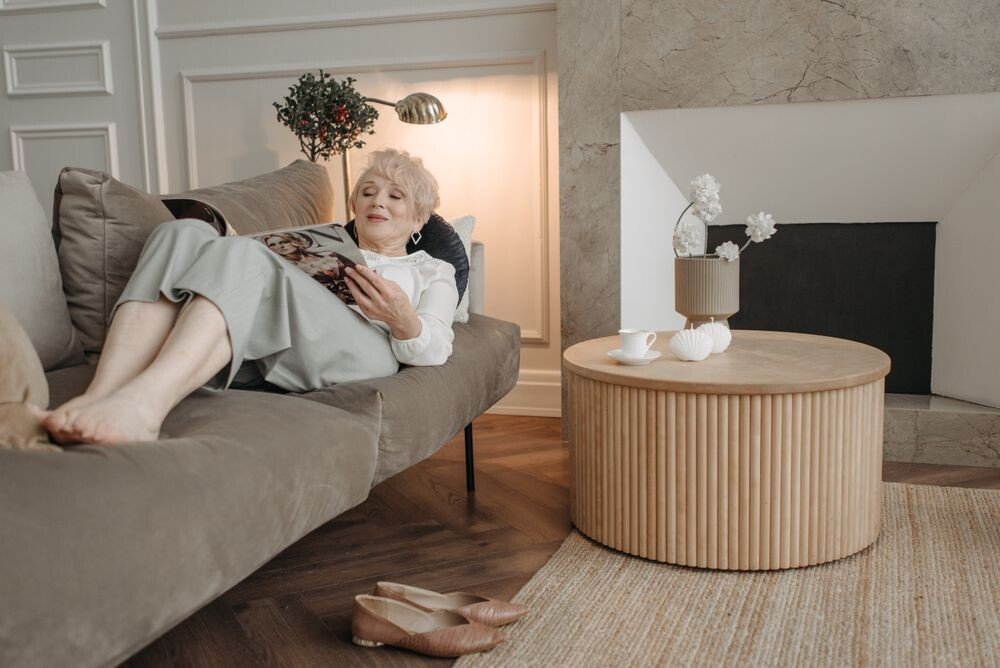
Pretty furniture is nice, but comfort is what you live with every day. A chair that supports you is worth more than one that only looks good in a photo.
Test sofas, chairs, and beds in person when you can. Sit, lean, and imagine using them for a long time. A room feels more unique when the furniture fits your body and your habits instead of a showroom idea.
Look for sturdy frames, easy-care fabric, and pieces that suit your space. A side table with storage or an ottoman with a lid can do double duty. Smart choices can save money over time because you replace them less often.
8. Small outdoor spaces can feel like an extra room
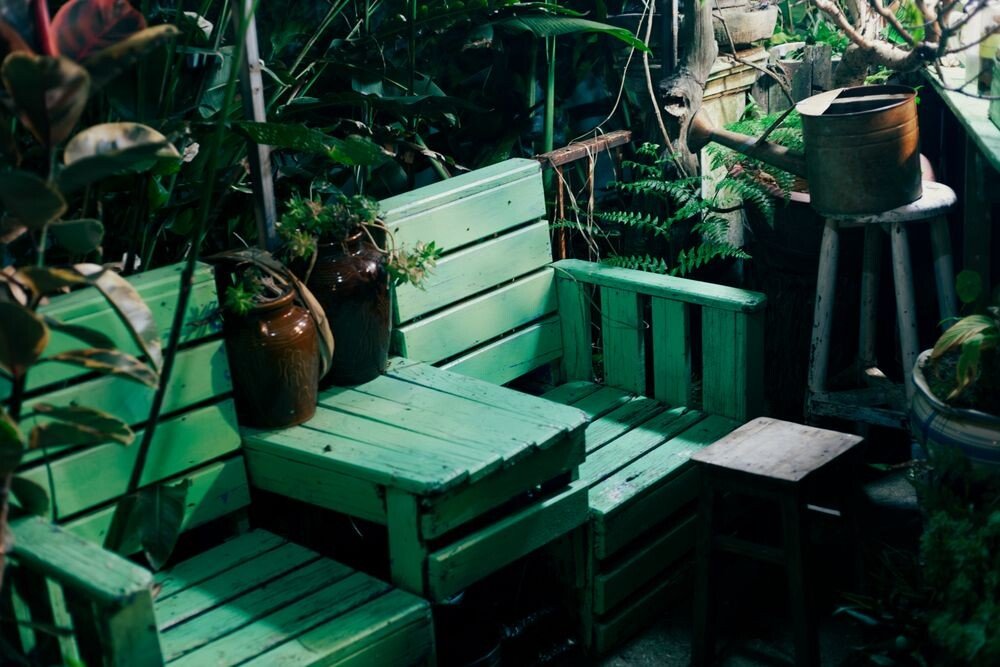
A porch, balcony, or tiny yard can still bring a lot of joy. Fresh air and a pretty view can change the feel of your whole home.
Add a chair, a plant, or a small table to make the space useful. Even a narrow spot can become a morning coffee corner or an evening reading nook. Outdoor rugs, lanterns, and weather-safe cushions are popular now and can make the area feel polished.
Choose pieces that can handle the weather and still look good. If your budget is tight, start with one plant and one seat. A personal touch, like a favorite pot or bright pillow, makes the space feel like yours.
9. Family rules should be simple and clear

Home life runs better when everyone knows what to do. Clear rules can lower stress and cut down on small arguments.
Keep the rules short, kind, and easy to remember. For example, shoes by the door or dishes in the sink can make a big difference. When the whole family helps, the home feels more balanced and less like one person is doing everything.
Post a note on the fridge or use a shared app if that helps. Some homes use color-coded bins or hooks so each person knows where things go. Little systems like these are useful, low-cost, and easy to personalize.
10. A home office can be tiny and still work well
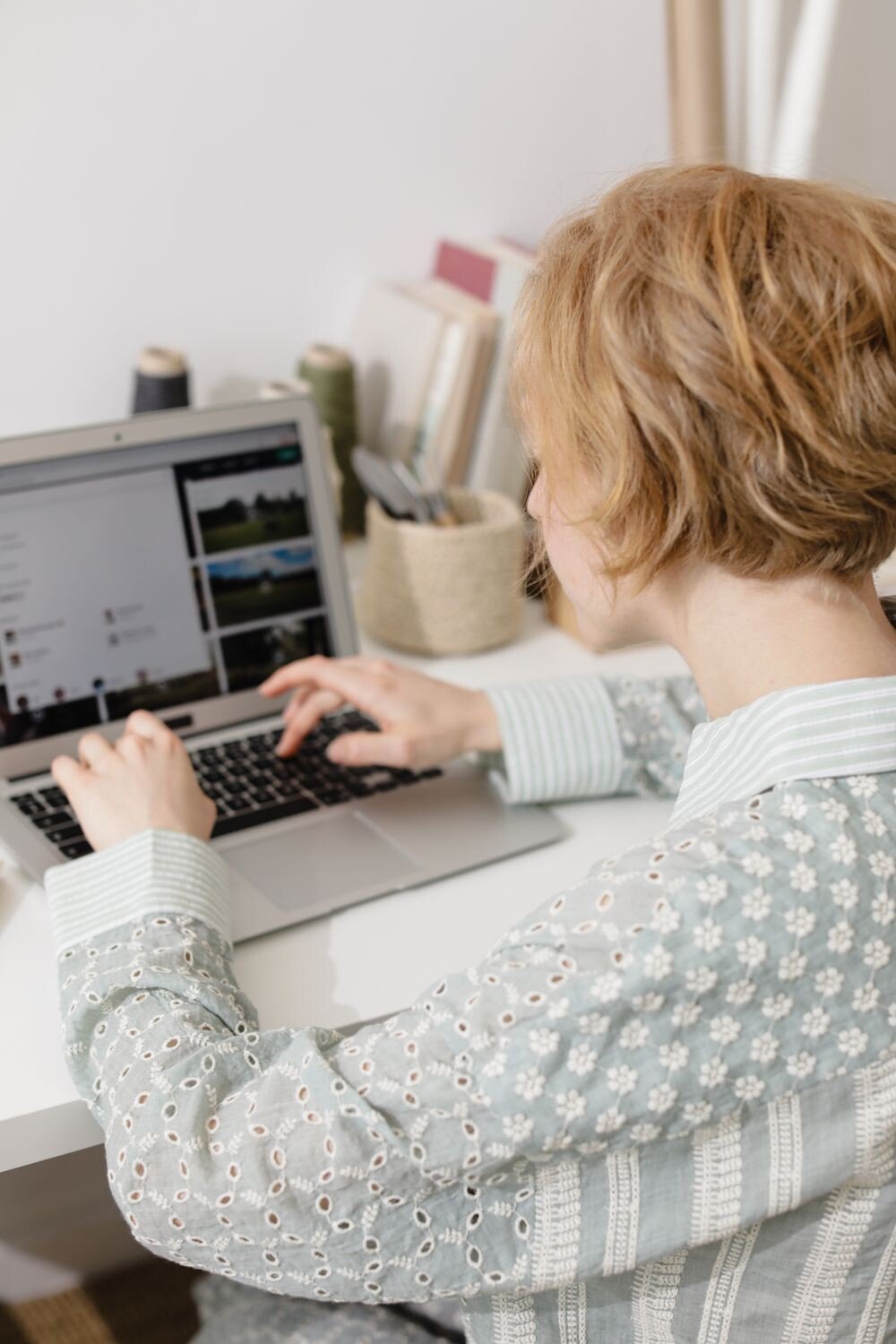
You do not need a full room to have a good work space. A quiet corner can be enough if it is set up with care.
Use a small desk, a comfy chair, and a lamp with good light. Keep only the items you need close by so the area stays calm. A neat work zone can help you focus and also look nice in the room.
Try adding a pinboard, a plant, or a pretty tray for supplies. These touches make the space feel less plain and more personal. If you work from home often, investing in a better chair may be worth the cost.
11. Decluttering feels easier when you focus on what you use
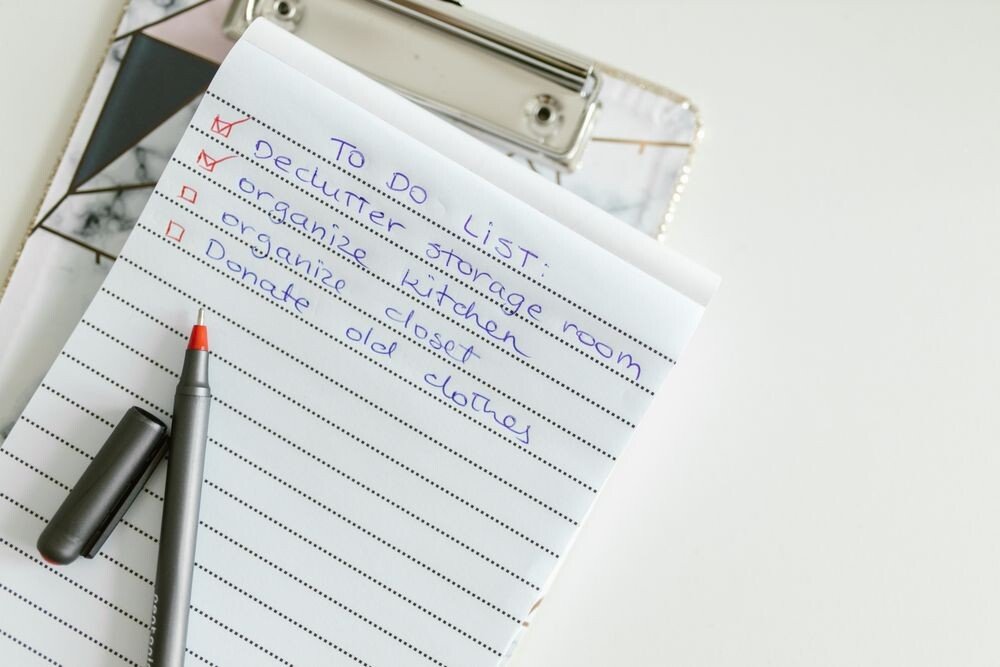
Stuff can sneak into a home fast. Over time, it can make rooms feel smaller and harder to enjoy.
Ask simple questions about each item: Do I use it? Do I like it? Does it still fit my life? This kind of sorting helps you keep what matters and let go of what does not.
Do one shelf, one drawer, or one closet at a time so the job stays manageable. Donate or sell good items so they can have a second life. Many people like the clean, open look that comes after a good sort, and it often costs nothing.
12. Your bathroom can feel spa-like without a big remodel
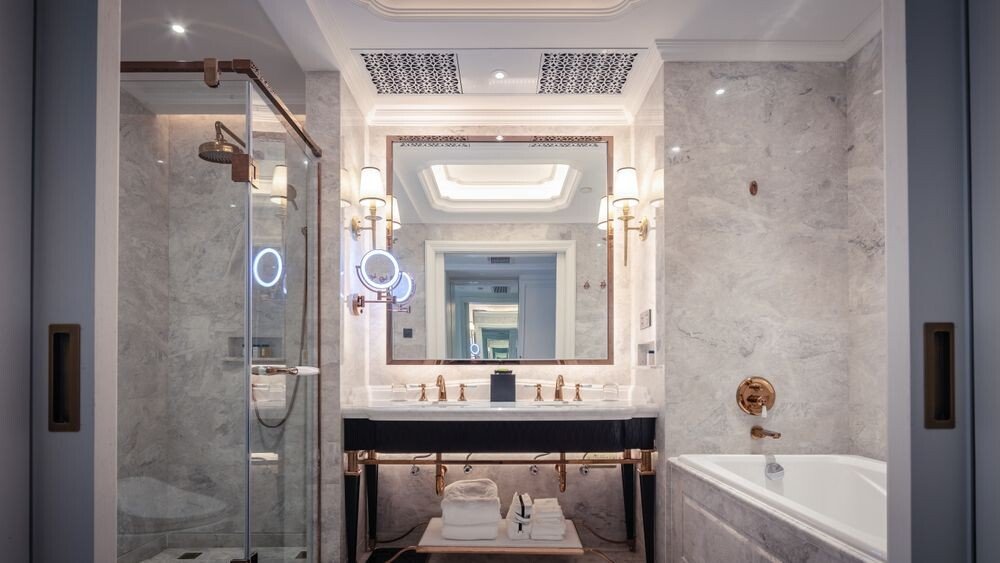
A bathroom should feel clean, calm, and easy to use. It does not need fancy marble to feel special.
Fresh towels, a good mirror, and a tidy counter can change the whole mood. Soft colors and neat containers help the room feel peaceful. A small tray for soap or lotion can make everyday items look more finished.
Swap old shower curtains, worn bath mats, or mismatched bottles for a more pulled-together look. Simple upgrades often cost less than a full renovation. Trendy details like matte black hardware or warm wood accents can add style without taking over the room.
13. Smart tech can make home life smoother
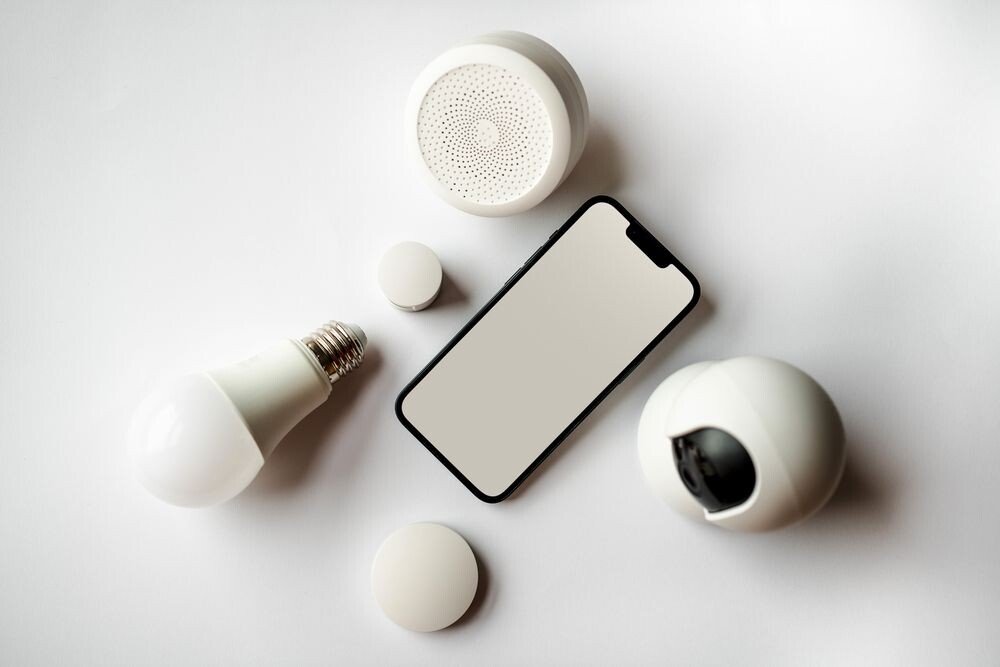
Technology can be helpful when it makes life simpler. The right tools can save time and reduce daily hassle.
Smart plugs, video doorbells, and robot vacuums are popular because they handle small jobs well. They can also make a home feel safer and easier to manage. Choose only the tech that fits your habits so you do not end up with gadgets you never use.
Set up devices in a way that feels easy, not confusing. If a phone app makes you frustrated, pick a simpler option. Spending a little more on something reliable can be better than buying a cheaper item that causes trouble.
14. Scent shapes the mood of a home
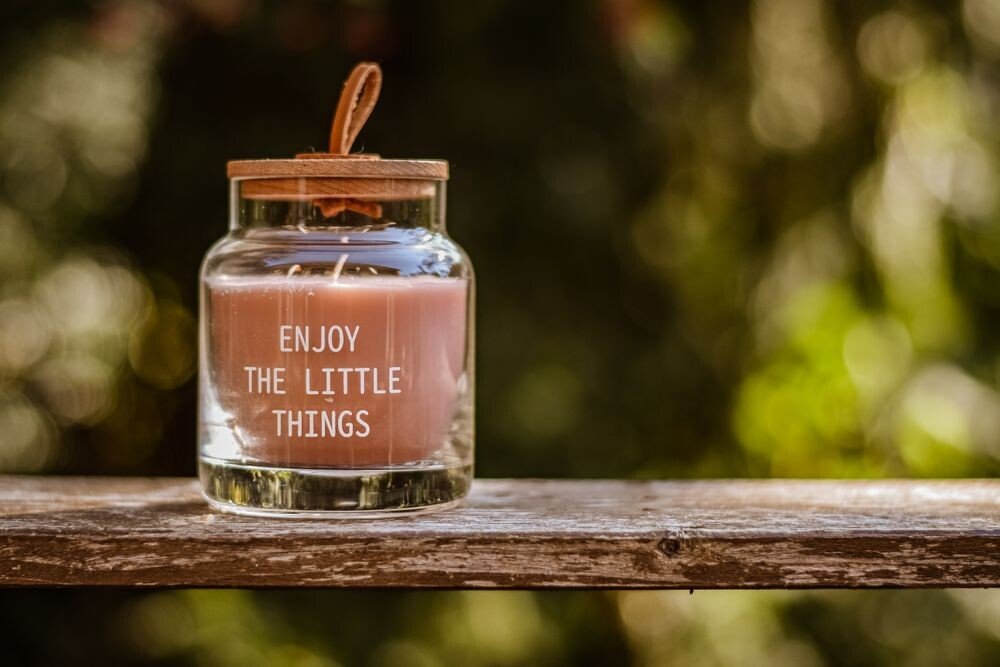
Smell is powerful, even when people do not notice it right away. A pleasant scent can make a room feel clean and cared for.
Open windows when you can, and use fresh flowers, candles, or diffusers in a light touch. Too much scent can feel heavy, so less is often better. A home with a gentle, clean smell often feels more inviting to guests and more restful for you.
Choose scents that match the season or your taste, like citrus, lavender, or cedar. A signature scent can make your home feel unique and memorable. If you want a budget-friendly option, simmer citrus peels and herbs on the stove for a short while.
15. Good habits matter more than perfect decor
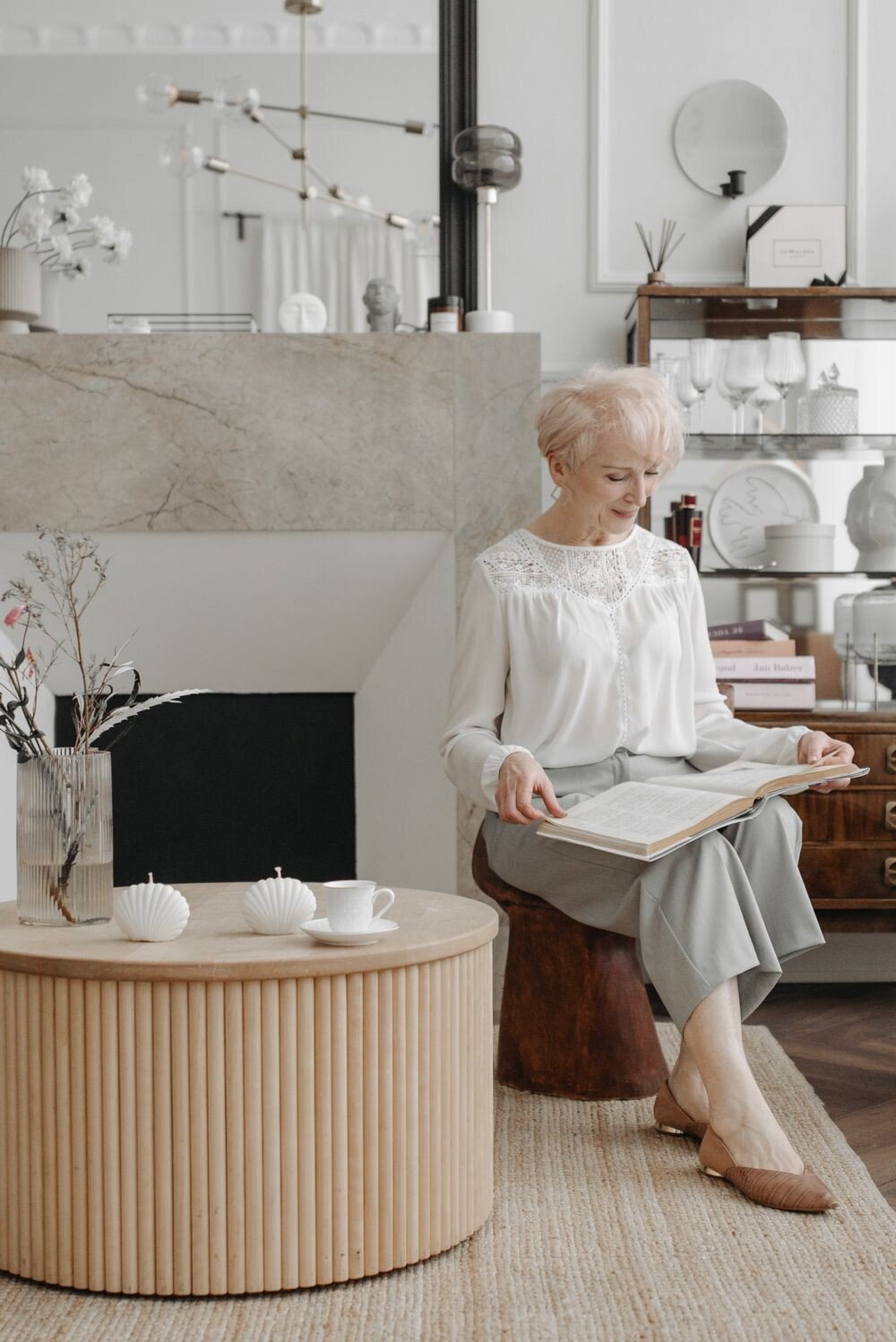
A lovely room means little if daily life feels chaotic. Habits are what keep a home running well.
Simple routines like putting keys in one place or resetting the living room at night can save time later. These habits create a sense of order that looks nice and feels good. When everyone knows the routine, the home becomes easier to enjoy.
Use hooks, trays, and baskets to support the habits you want. That way, the system feels natural instead of strict. Many current home trends focus on calm, lived-in spaces that are useful first and pretty second.
16. A guest space can be warm without being fancy
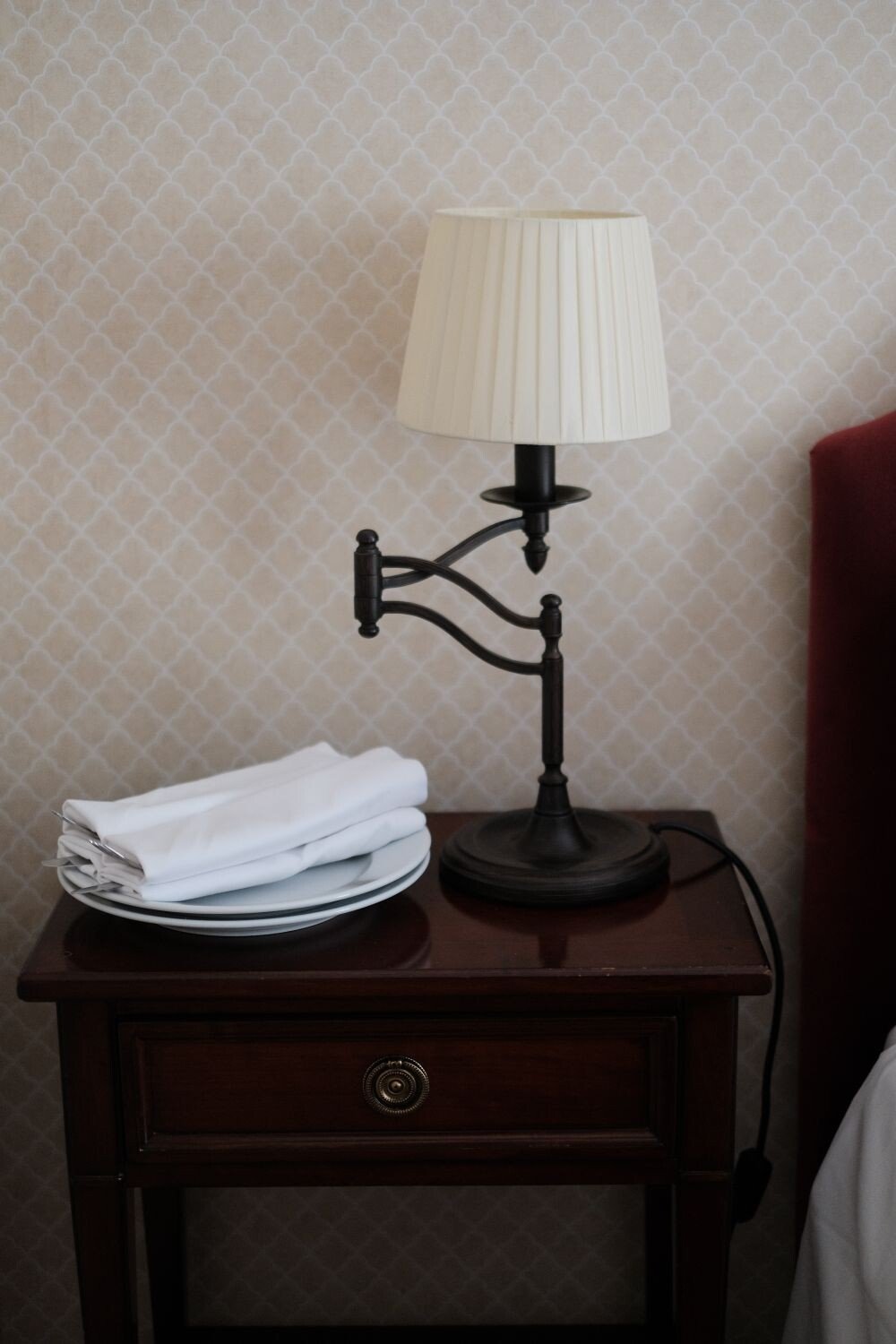
Guests remember how a home feels more than how expensive it looks. A welcoming space is often built from small, thoughtful details.
Fresh bedding, an extra blanket, and a clear place for bags go a long way. A small lamp, water glass, and charger can make visitors feel cared for. These items do not need to cost much, but they make the room feel ready.
Add a framed print, a plant, or a soft color to give the room personality. If the room has more than one use, try a daybed or a fold-out desk to make it flexible. A guest area that works hard is both practical and kind.
17. The entryway sets the tone for the whole house
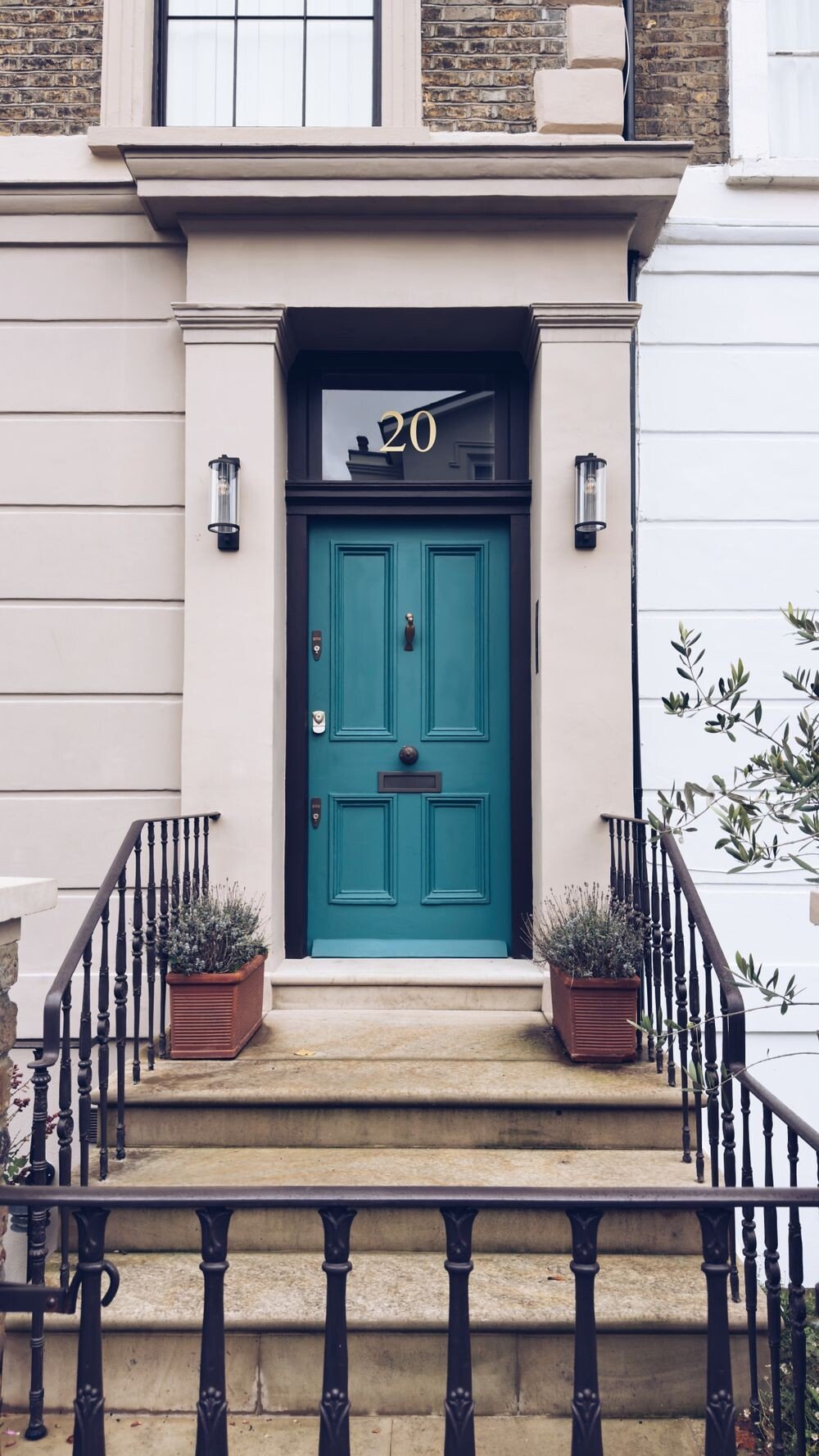
The first spot you see when you walk in can shape your mood fast. A tidy entry makes the whole home feel more put together.
Give coats, shoes, and bags a clear home so they do not spread everywhere. A bench, hook rack, or small shelf can make coming and going much easier. Even a tiny entry can look stylish when it is kept simple and neat.
Try a mirror to bounce light and help the space feel bigger. A colorful mat or a bowl for keys can add personality without much cost. This area is a great place to use a current trend, like natural wood or soft neutral colors.
18. Your home should reflect who you are now
Homes should grow with the people inside them. What felt right years ago may not fit your life today.
Show your taste through art, books, family photos, or items from trips and hobbies. These details make a house feel lived in and loved. A home with meaning often feels more special than one filled with store-bought sets.
Mix old and new pieces so the room tells your story. You do not need to buy everything at once to create a fresh look. Slow updates often feel more personal and can be easier on your budget.
19. Safety can still look beautiful
Safety is part of smart home care, not a sign that a home is old. A safe space can still feel stylish and warm.
Check smoke alarms, loose rugs, dark stairs, and slippery spots around sinks or tubs. Good lighting and strong handrails can make movement easier and more secure. These upgrades may not seem glamorous, but they matter every single day.
Choose safety tools that blend in, like sleek grab bars or simple non-slip mats. Many newer products are made to look better than older versions. Spending on safety is often money well spent because it protects both comfort and peace of mind.
20. Your home should make room for joy
A home is not only about chores and repairs. It should also hold laughter, hobbies, and quiet moments that feel good.
Make space for a reading chair, a puzzle table, a craft basket, or a music corner. These small areas add life and make the home feel truly yours. Joyful spaces often look unique because they are built around what you love, not what a catalog says to buy.
Start with one small thing that brings you happiness and place it where you can see it often. It might be a bright vase, a cozy throw, or a shelf of favorite books. The best home touches are the ones that make you smile without asking for much in return.