
Small habits can make a day feel easier. The right ones can also make life feel brighter.
1. Start Your Morning With a Calm Glass of Water
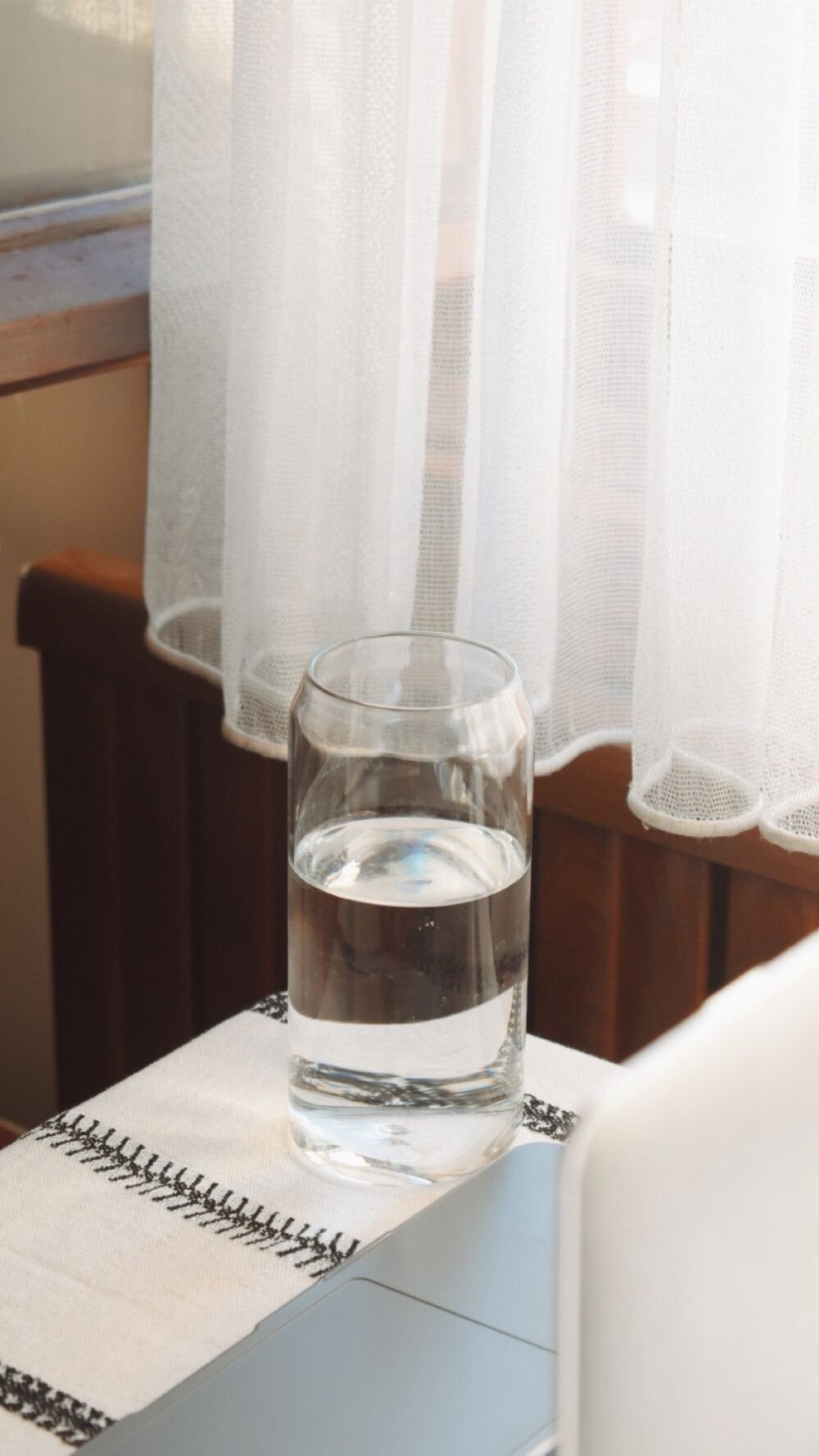
A simple glass of water first thing in the morning can feel like a quiet reset. It is a gentle habit that asks for almost no money and no special tools.
Picture a clear glass on a sunny table, cool water shining inside it. That small scene can make the start of the day feel fresh and steady. Many people like to add a slice of lemon, a few mint leaves, or even cucumber for a little extra flavor, and each choice can make the habit feel more personal.
2. Take a Short Walk Outside

A short walk can wake up the body and clear the mind. Fresh air, soft light, and a bit of movement can change the mood of an entire morning.
Some people enjoy walking around the block, while others prefer a park path, a school track, or a quiet street with trees. This habit is easy to shape around your life, and it can fit many budgets because it costs almost nothing.
If the weather is rough, a walk inside a hallway, around a store, or even through a home can still count. Bright shoes, a favorite song in your ears, or a friend on the phone can make the walk feel more fun and less like a chore. Many people now like “micro-walks” during busy days, since even a few minutes of movement can help the body feel less stiff and more ready.
3. Keep a Tiny Gratitude Note
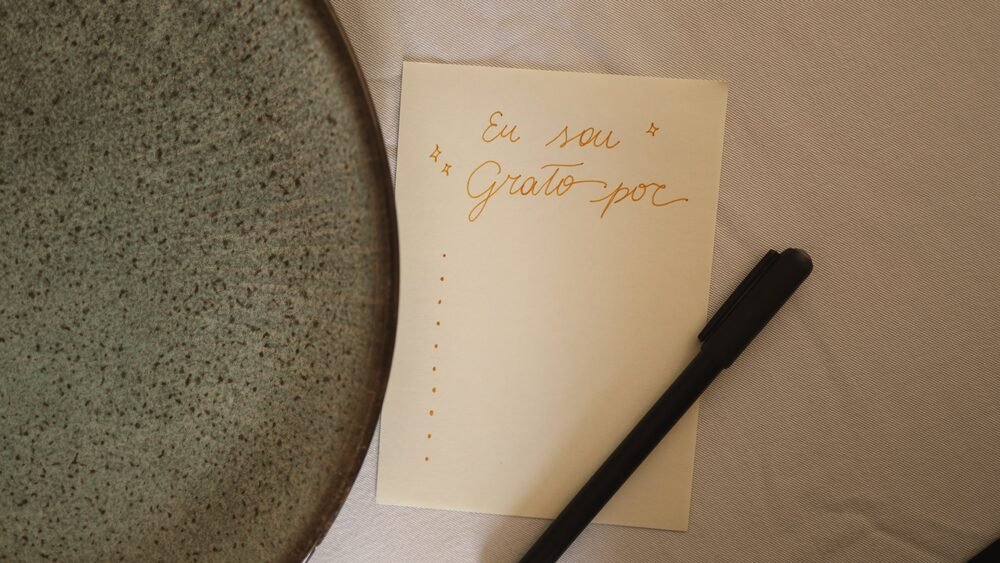
Writing down one good thing can make the day feel softer. A tiny notebook, a sticky note, or a note app on a phone can all work well.
This habit is special because it trains the mind to look for small wins. A warm drink, a kind text, a funny pet face, or a clean room corner can all become little bright spots worth saving.
Try keeping the note near your bed, on your desk, or inside a lunch bag so it is easy to reach. Some people like using colored pens, stickers, or a simple calendar page to make the habit feel more playful. Since it uses items you may already have at home, the cost stays very low.
When the note feels hard to write, use short phrases like “sunny sky” or “good nap.” The goal is not to be fancy, but to be honest and steady.
4. Make Your Bed or Tidy One Small Spot

A neat bed or a clean corner can make a room look calmer right away. Even a tiny tidy-up can give the brain a sense of order and control.
This habit works well because it is quick and easy to repeat. You do not need to clean the whole house, and that makes it friendly for beginners and busy people alike.
Try folding a blanket, stacking books, or clearing one table surface before moving on with the day. A soft basket, a drawer organizer, or a simple box can help keep things neat without spending much. Many people like a “one spot only” rule, since it keeps the job small and less tiring.
5. Read a Few Pages of Something You Enjoy

Reading for a short time can feel like a tiny trip for the mind. A comic book, a joke book, a story, or a magazine page can all count.
It can be done on a couch, in bed, or during a quiet break after school or work. This habit is unique because it can be shaped to match your taste, your speed, and your mood.
Choose a book that feels easy and fun, not one that feels heavy or hard to finish. If buying books is not in the budget, libraries, book swaps, and free reading apps can help keep the habit affordable. Some people also like audio books, since they can listen while resting their eyes or doing a simple task.
6. Stretch Your Body for a Few Minutes

Gentle stretching can help the body feel open and less tight. It can also make sitting, standing, and walking feel better later in the day.
The look of a stretch can be simple and peaceful: arms reaching up, shoulders rolling back, or toes pointed toward the floor. This habit is easy to personalize, because some people like slow yoga moves while others prefer quick arm and leg stretches.
You can stretch beside your bed, near a desk, or on a soft mat if you have one. No fancy gear is needed, which keeps the cost low and the habit easy to start. Many people now follow short stretch videos online, but a few calm moves done by memory can work just as well.
Try pairing stretching with music, breathing, or a favorite morning routine so it feels natural. If one move feels uncomfortable, simply skip it and choose another that feels kinder.
7. Plan Tomorrow Before the Day Ends

Thinking ahead for a few minutes can make the next day feel less rushed. A simple plan can help the morning start with more calm and fewer surprises.
Write down what needs to happen, lay out clothes, or place a lunch item near the door. The scene can be as neat as a notebook and pen beside a lamp, or as simple as a phone reminder glowing on a screen.
This habit is useful because it saves time and can lower stress. It also leaves room for personal style, since some people like colorful planners while others prefer a plain sticky note list. If you enjoy current planning trends, you might try habit tracker pages, digital checklists, or a weekly board on the fridge.
Keep the plan short so it feels easy to follow the next day. A few clear notes are often better than a long list that feels heavy.