Life can feel different after forty. Small habits can make the whole day shine.
1. Start the Morning With a Calm, Bright Routine
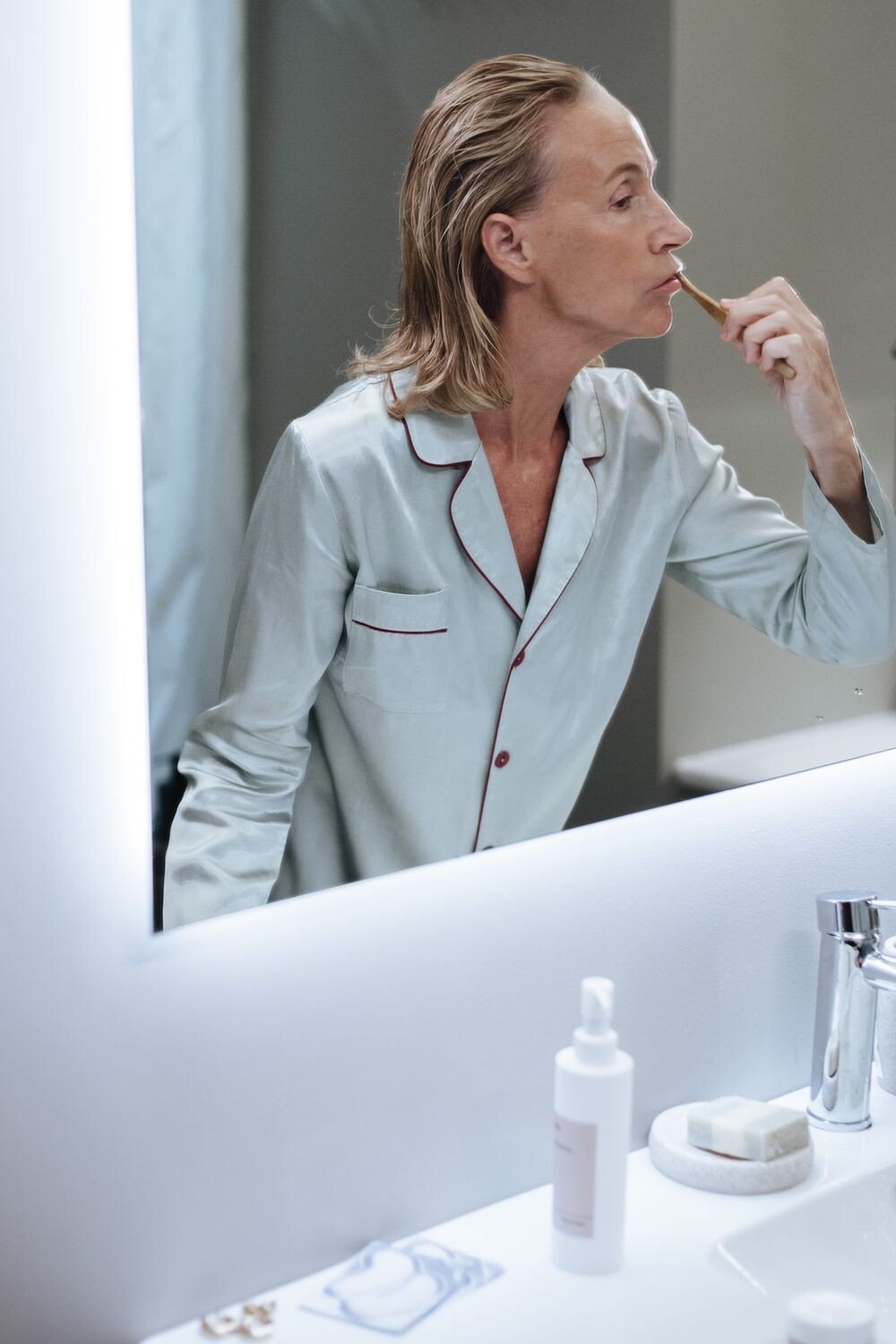
A quiet morning can feel like opening a clean window. A warm cup, soft light, and a few slow breaths can set a kinder tone for the whole day.
This habit works because it gives your mind a gentle start instead of a rushed one. Try opening the curtains right away, stretching near the bed, or sitting in a favorite chair before checking your phone. You can make it your own with tea, music, prayer, journaling, or a short walk outside, and it costs very little.
2. Move Your Body in Small, Easy Ways
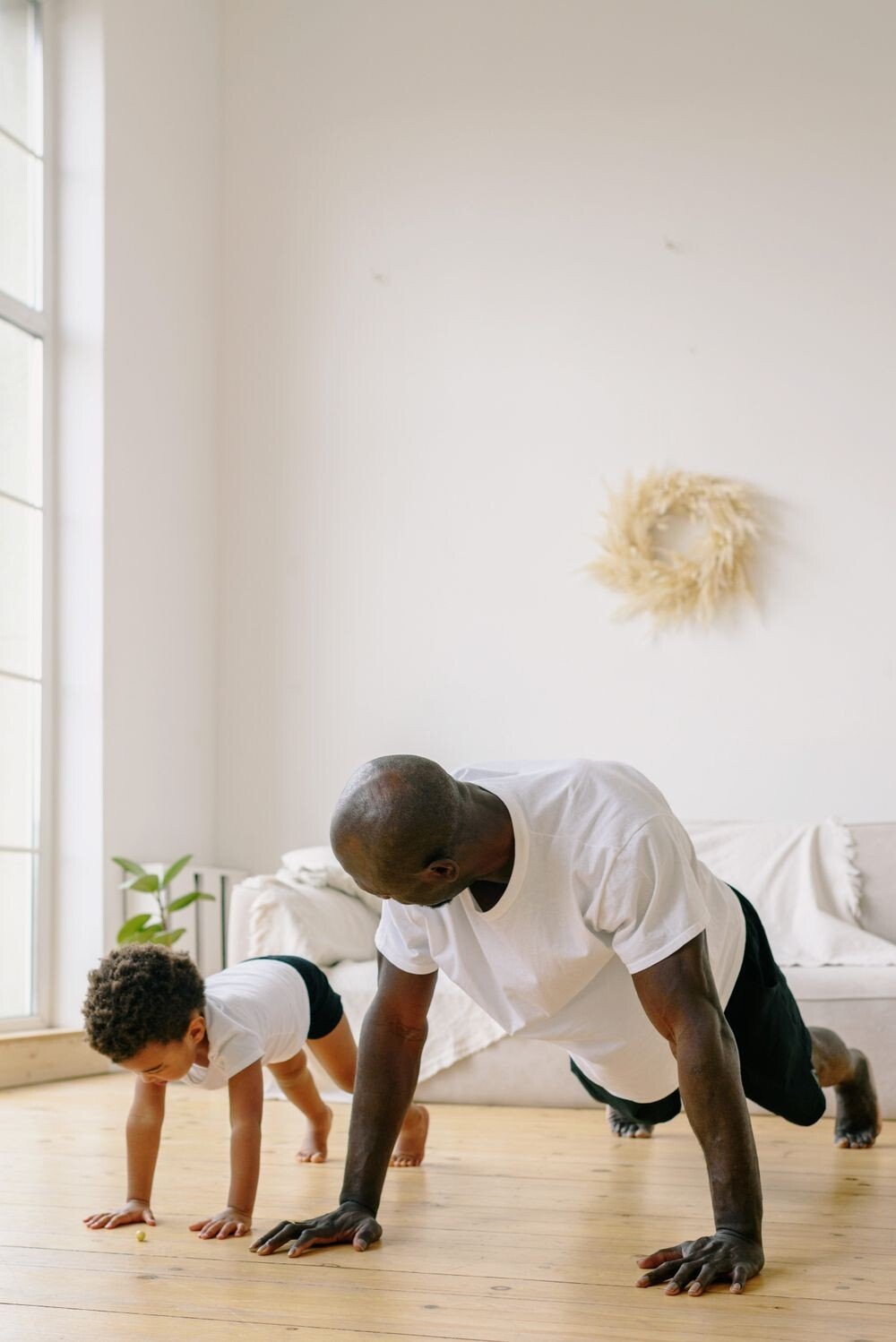
Movement does not need to look like a hard workout. A brisk walk, a few squats by the sink, or dancing in the kitchen can wake up your body fast.
These tiny bursts help with energy, balance, and mood, which many people want more after forty. Pick what feels fun and safe, and change it when your joints or schedule ask for something softer. A simple pair of walking shoes, a stretch band, or a free video at home can keep this habit cheap and easy.
Right now, short home workouts and walking clubs are popular because they fit real life. If you like a little style, wear bright sneakers or a neat cap so the habit feels fresh.
3. Keep Your Space Clear and Easy to Use

A tidy room can feel like a deep breath for your eyes. When the table is clear and the floor is open, the whole home seems lighter.
This habit saves time because you spend less energy hunting for keys, glasses, or bills. Start with one small spot, like a counter or drawer, then add baskets, hooks, or labels that match your taste. You do not need fancy storage, and many good fixes cost almost nothing if you reuse what you already have.
Many people now like simple, calm rooms with fewer things on display. You can make the space feel personal with one photo, one plant, or one bright bowl that makes you smile.
4. Drink Water Before You Feel Thirsty

Water can be a quiet helper that works all day long. A clear glass on the counter or a colorful bottle in your bag can remind you to sip often.
This habit may help with dry skin, tired feelings, and headaches that show up when the body is low on fluids. Add a slice of lemon, cucumber, or berries if plain water feels dull, and keep a bottle near the bed, desk, or car. If you want to save money, refill a sturdy bottle instead of buying drinks on the go.
5. Protect a Little Time for Real Rest

Rest is not lazy; it is smart care for the body and mind. A quiet chair, a soft blanket, and a few minutes with no noise can feel like a small reset.
After forty, many people notice they need rest before they feel worn out. Try a short pause after lunch, a screen break in the evening, or a slow sit on the porch, and notice what helps you feel best. You can make rest feel special with a candle, a book, or calm music, and none of it needs to cost much.
These days, more people are talking about sleep habits, gentle evenings, and phone-free time. If you like routine, keep the same rest spot each day so your brain learns to relax there.
6. Eat One More Real Food Meal
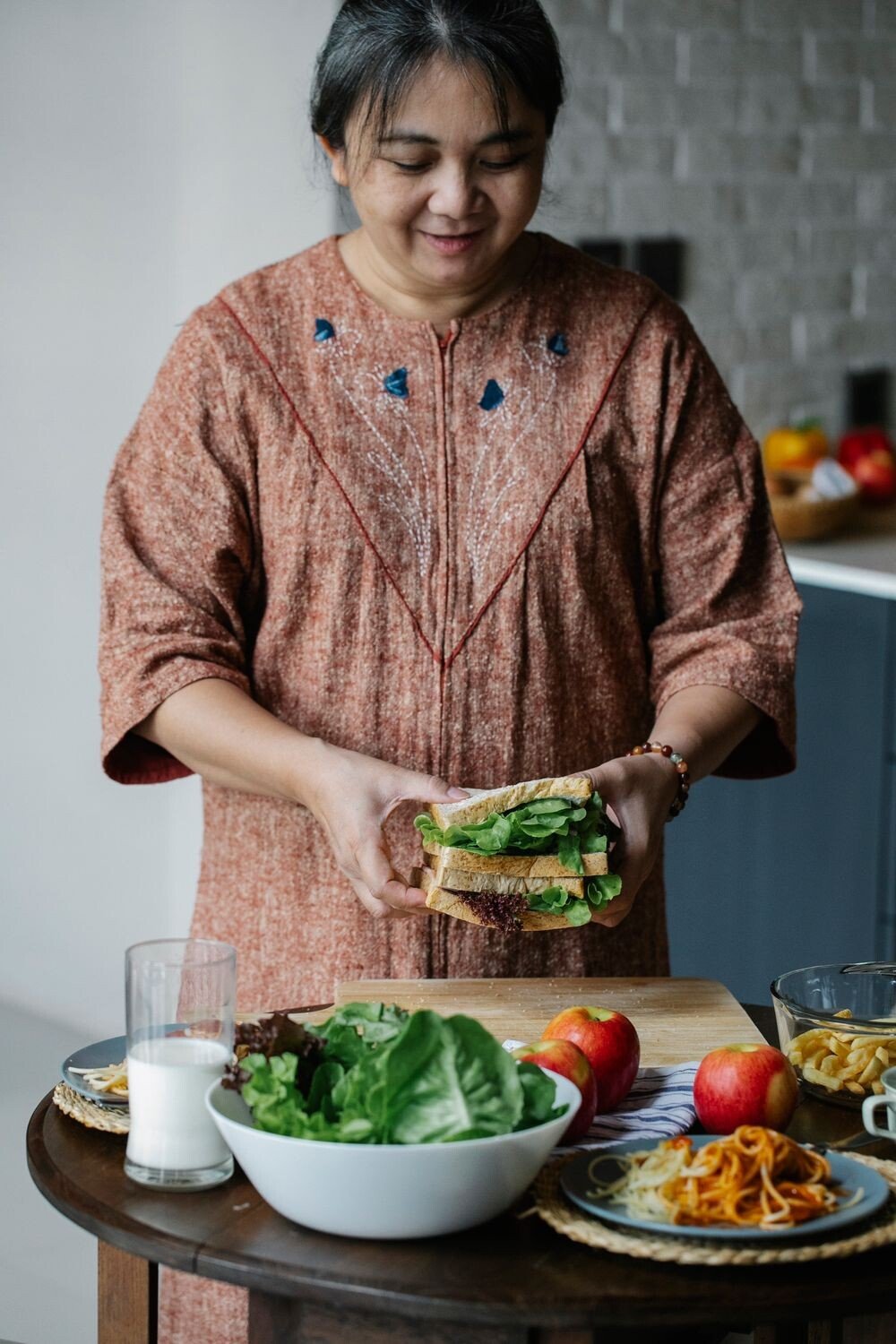
Fresh food can make a plate look bright and full of life. Think of colorful vegetables, fruit, beans, eggs, fish, or plain yogurt sitting beside simple grains.
This habit supports steady energy and can help you feel fuller without chasing snacks all day. You do not need a perfect diet; just choose one meal where you add more whole foods and fewer packaged extras. A home-cooked bowl, a salad with leftovers, or a simple soup can fit many tastes and budgets.
Meal prep is still a big trend because it saves time and money. If you want it to feel more fun, use a favorite plate, chop food in neat colors, or try a new spice from the store shelf.
7. End the Day With a Gentle Check-In

The evening can be a soft landing instead of a crash. A lamp glowing low, a notebook nearby, and a few quiet thoughts can help the day close well.
Ask yourself what felt good, what felt hard, and what can wait until morning. This habit can ease worry, improve sleep, and help you notice the small wins that are easy to miss. Keep it simple with three lines in a journal, a short prayer, or a calm chat with someone you trust, and let it fit your own style.
Some people like digital tools for mood tracking, while others prefer paper because it feels warmer and slower. If you want to keep costs low, use a spare notebook, a sticky note, or even the back of an old envelope.