
Life can feel louder after forty. Small plans can bring back calm.
1. Keep a Visible Weekly Plan
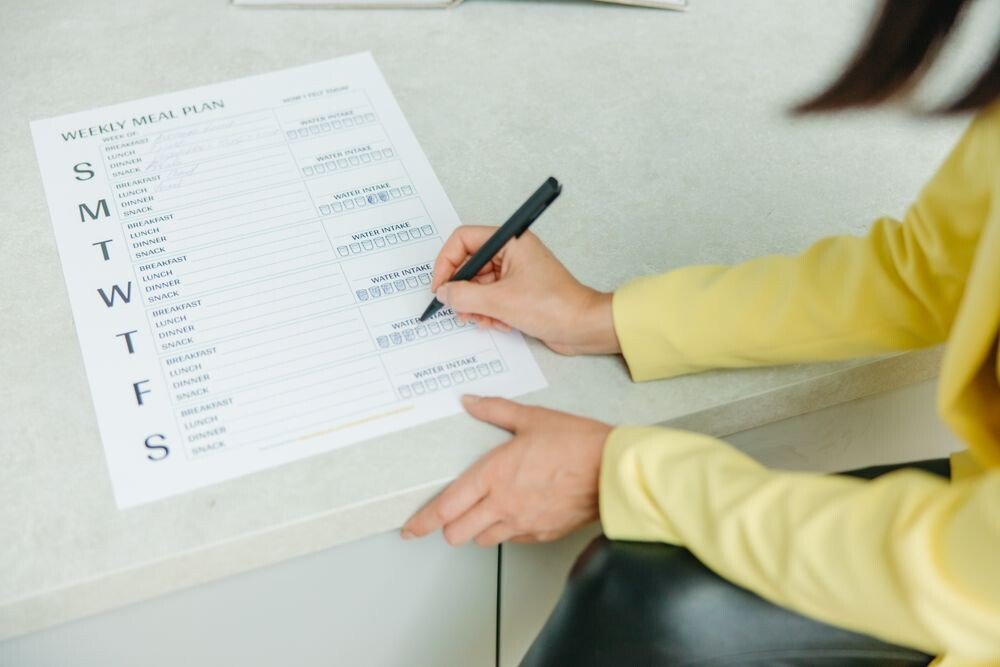
A weekly plan on paper or a wall calendar can make your days feel steadier. It gives your eyes a clear map instead of a messy pile of thoughts.
Many people like a big paper planner, a whiteboard, or a simple notes app. The best choice is the one you will actually check, and that keeps cost low because you do not need fancy tools. Try color-coding work, home, and personal tasks so the page looks easy to read and feels more personal.
2. Plan Your Energy, Not Just Your Time
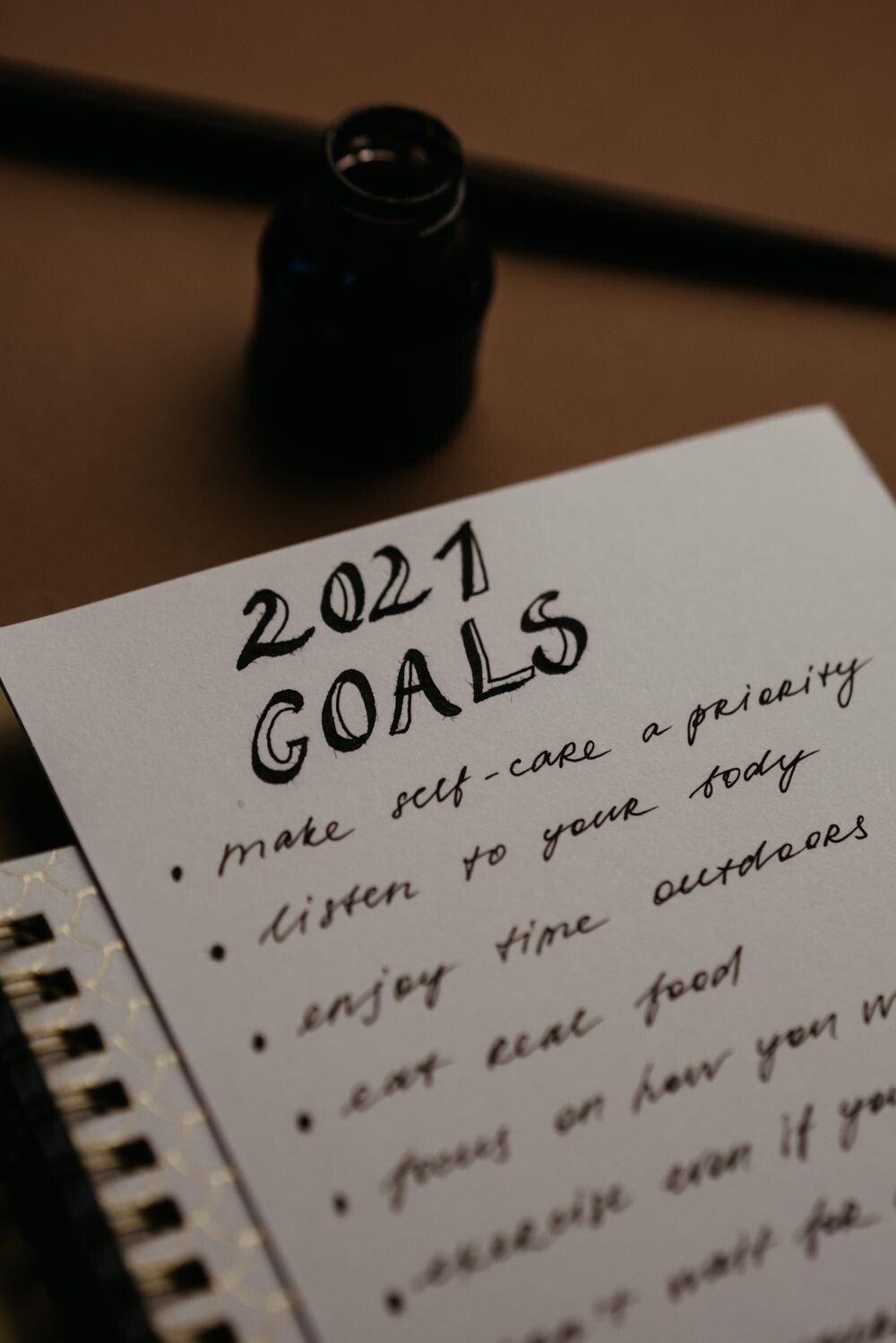
Some hours feel bright and sharp, while others feel slow and foggy. Planning around your energy can make hard tasks feel lighter.
Put your hardest work where your mind feels strongest, and save easy jobs for lower-energy times. This habit is popular now because many people are paying more attention to wellness and balance. If you wake up early and feel ready, use that time for deep work; if evenings are better, shift your focus there.
You can also match tasks to how you feel in your body. For example, walking the dog, folding clothes, or answering messages may fit a tired afternoon better than paying bills or making big decisions. This simple change can lower stress without costing anything at all.
3. Build a Small Sunday Reset

A quiet reset on Sunday can make Monday feel less scary. It also gives your home a neat, fresh look that can calm your mind.
Spend a short time clearing clutter, checking the coming week, and setting out what you need. Some people enjoy a candle, soft music, or a cup of tea while they do it, which makes the routine feel special. If your week is busy, keep the reset short and focus on the few things that save the most time later.
You can make this habit fit your life by choosing your own order. One person may start with laundry, while another may prep meals or fill a water bottle for the car. The goal is not a perfect home; it is a smoother start.
4. Use a Simple “Next Step” List
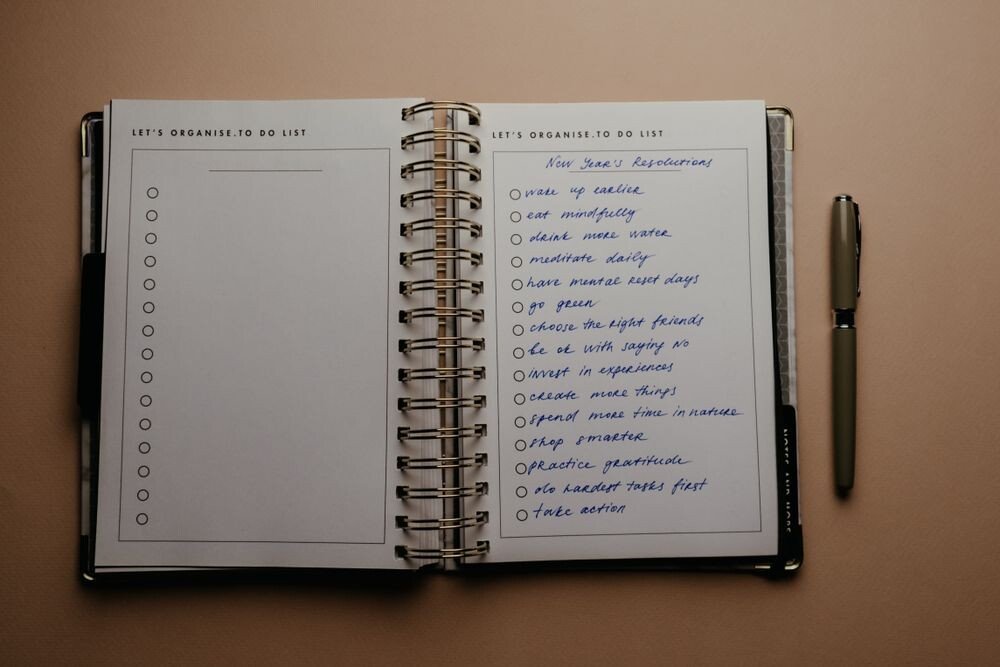
Big goals can feel heavy when they sit in one giant pile. A next step list breaks them into tiny actions that are easier to start.
Write only the next small move, not the whole project. For example, instead of “fix the garage,” write “put tools in one box.” This works well for people who like clear wins, and it costs nothing but a scrap of paper or a phone note.
5. Make Appointments and Deadlines Visible
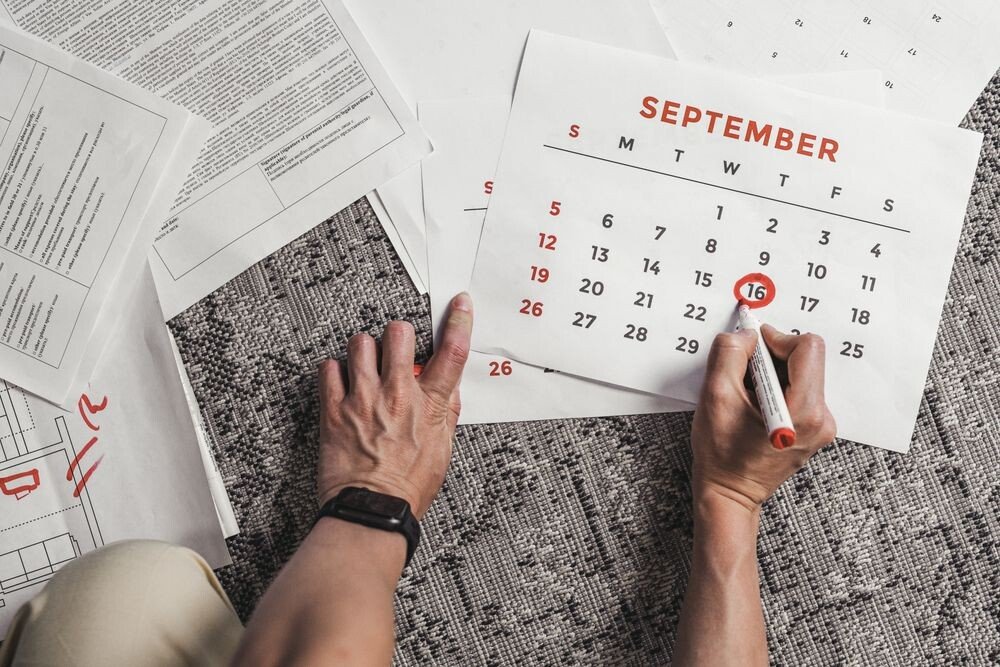
Hidden dates can sneak up and create stress. When appointments and deadlines are easy to see, your week feels more under control.
Use one place for all dates, such as a planner, a fridge calendar, or a shared family app. Bright stickers, bold ink, or simple alerts can make the page stand out, which is helpful if your schedule is full. This habit is especially useful now, since many people juggle work, family, and side projects at the same time.
Try adding a reminder one week ahead and another the day before. If you share tasks with a partner or grown kids, give each person a color so the calendar feels easy to read. That small touch can make planning feel less like a chore and more like teamwork.
6. Plan for Fun on Purpose
Fun does not need to wait for a free day that may never come. Putting joy on the calendar can make life feel richer and more balanced.
Choose easy pleasures like a park walk, a movie night, a coffee date, or time with a hobby. These moments can be low-cost or even free, and they often matter more than pricey outings. If you like a fresh look, turn fun into a tiny ritual with a favorite mug, a playlist, or a special notebook.
Personalize this habit by matching it to your real tastes, not someone else’s idea of fun. Some people love quiet time, while others want friends, music, or movement. When joy has a place in your plan, your week feels more human.
7. Review and Adjust Without Guilt

Plans work best when they can bend a little. A quick review helps you keep what works and drop what does not.
At the end of the week, look at what felt easy, what felt hard, and what kept slipping away. You do not need to judge yourself; you only need to notice patterns and make a small change. This flexible style is a big trend now because more people want plans that fit real life instead of rigid rules.
Maybe mornings need more quiet, or maybe one errand day is too much. Change the plan, not your worth, and keep it simple enough to repeat. A plan that grows with you can make life after forty feel lighter, cleaner, and more your own.