Your closet may be saying more than you think.
A few small changes can make getting dressed feel calm and easy.
1. Build a Clear View of What You Own

A tidy closet looks bright, open, and easy to read at a glance. When you can see your shirts, pants, and shoes, getting dressed feels much faster.
Start by grouping clothes by type, color, or season so each piece has a clear home. This simple step helps you notice what you wear most and what keeps getting ignored. It also saves money because you stop buying items that look like things you already own.
2. Choose a Small Color Story
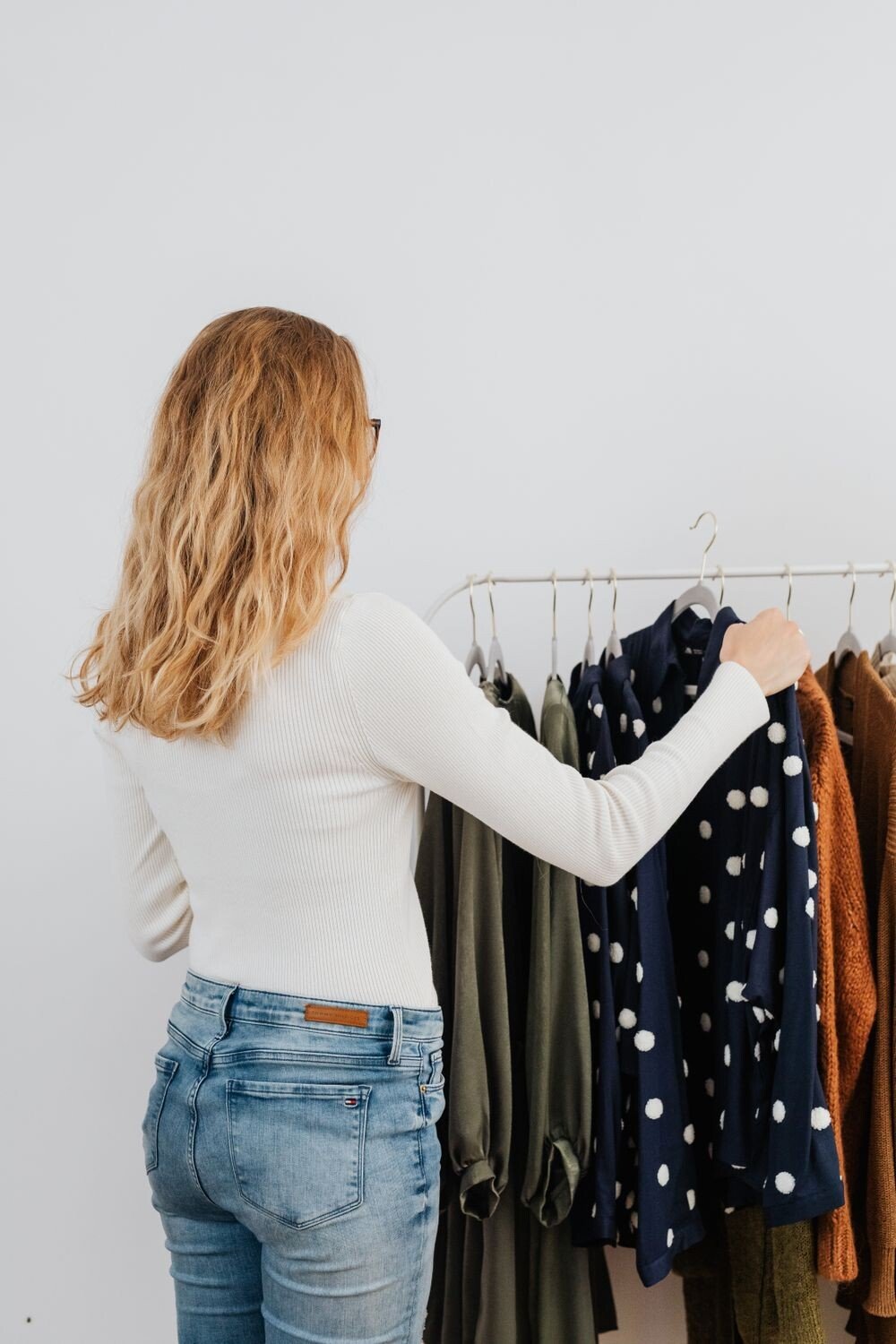
A wardrobe with a few main colors feels neat and stylish right away. Soft neutrals, deep blues, warm browns, or bright accent shades can all work well together.
This makes mixing outfits much easier, which is a big help on busy mornings. It also gives your closet a special look that feels more personal than random shopping. If you love current trends, you can add one trendy color each season without changing everything else.
Try picking colors that match your skin tone, your favorite shoes, or the places you go most. That way, your clothes feel like they belong to your real life, not just a store display. A smaller color story can also keep costs lower because each new piece has a better chance of working with the rest.
3. Keep Only the Pieces That Earn Their Place

Some clothes look great on a hanger but never feel right when worn. Others may be comfy, useful, and easy to style again and again.
Ask simple questions like, “Do I feel good in this?” and “Have I worn it lately?” If the answer is no, it may be time to pass it on. This habit makes space for the items that truly fit your life and your style.
Set aside a donation box or a sell pile so the process feels less heavy. You can also keep special items that hold memories, but store them in a separate spot. This keeps your main wardrobe light, useful, and easier to manage.
When your closet holds only the best pieces, each outfit feels more exciting. You waste less time staring at clothes that do not work, and you spend less money on repairs or replacements for items you never use.
4. Make Outfits Ahead of Time

Pre-planned outfits can turn a messy morning into a smooth start. A few ready-made looks hanging together can feel like a mini style menu.
Try pairing tops, bottoms, and layers the night before or on a calm weekend. You can even snap phone photos of your favorite looks for easy replay. This is a great way to use pieces in new ways and avoid the same old outfit loop.
5. Treat Storage Like Part of the Style

Good storage can make a closet look polished, even if the clothes are simple. Matching hangers, neat shelves, and small bins can give the room a clean, calm feel.
Use clear boxes for shoes, drawer dividers for socks, and hooks for bags or belts. These tools help you find things fast and keep them from getting squished or lost. Many budget-friendly storage items work just as well as fancy ones, so you do not need to spend a lot.
Think about what you reach for most and place those items where they are easiest to grab. Seasonal pieces can go higher up or farther back, while daily favorites stay front and center. A smart layout makes your wardrobe feel more personal and easier to enjoy.
6. Care for Clothes So They Last Longer

Well-cared-for clothes stay brighter, softer, and nicer to wear. A little attention can keep a favorite sweater or shirt looking fresh much longer.
Read care labels, wash with similar colors, and hang dry delicate items when you can. Small fixes like sewing a loose button or removing lint can make a big difference. These habits help you save money because you replace fewer things over time.
It also helps to rotate shoes, bags, and jackets so nothing gets worn out too fast. If you love trendy pieces, care is even more important because fast fashion items often need extra help to last. A simple clothing brush, gentle detergent, and folding method can go a long way.
7. Make Room for Your Real Life

Your wardrobe should fit your days, not just your dreams. A closet that matches school, work, weekends, and special events makes dressing feel easy and true.
Think about your daily routine and keep the most useful items within reach. If you walk a lot, comfortable shoes matter more than fancy ones. If you like bright outfits, add one bold piece at a time so the look still feels like you.
Personal style grows when you build around your habits, your budget, and your favorite colors. That might mean keeping a few dressy pieces, a few cozy pieces, and a few go-with-everything basics. When your wardrobe reflects your real life, it feels less crowded and much more fun to use.