Fresh routines can change the feel of a whole day. Small systems often make the biggest space for growth.
1. Build a Morning Launch Pad

A calm morning setup can make the first part of the day feel clear and bright. Picture a tidy table, a filled water glass, and a notebook waiting beside your keys.
This simple system helps you start without rushing, which can lower stress and save time. It is unique because it works with almost any life, from busy parents to students to remote workers. Try placing the same few items in the same spot each night so your morning starts on autopilot.
2. Use a Tiny Planning Window

A short planning window can keep your day from slipping away. Imagine a phone timer, a clean page, and three tasks written in bold ink.
This habit gives your day a strong shape without taking much effort. It is helpful because it cuts down on forgetfulness and helps you choose what matters most. Many people now use paper planners, phone notes, or simple apps, so you can pick the style that feels most natural and low-cost.
Make it personal by adding one “feel good” task, like a walk, a call, or music time. If your days change often, keep the list short and flexible so it still works on busy days. A small planning window can also help you notice patterns, like which chores keep getting pushed aside.
3. Create a Reset Spot at Home

A reset spot is a small place where clutter can stop growing. Think of a basket, a tray, or a shelf that looks neat and easy to reach.
This system is useful because it gives every loose item a home before the room turns messy. It feels different from a full cleaning routine since it only asks for a quick return of items to one place. You can make it fit your style with a woven basket, a metal bin, or even a colorful box that matches your room.
Keep the cost low by using things you already own before buying new storage. Place the spot near the door, desk, or couch so it becomes part of your daily path. When the area looks full, spend a few minutes sorting it back into its proper places.
4. Set a Midday Check-In
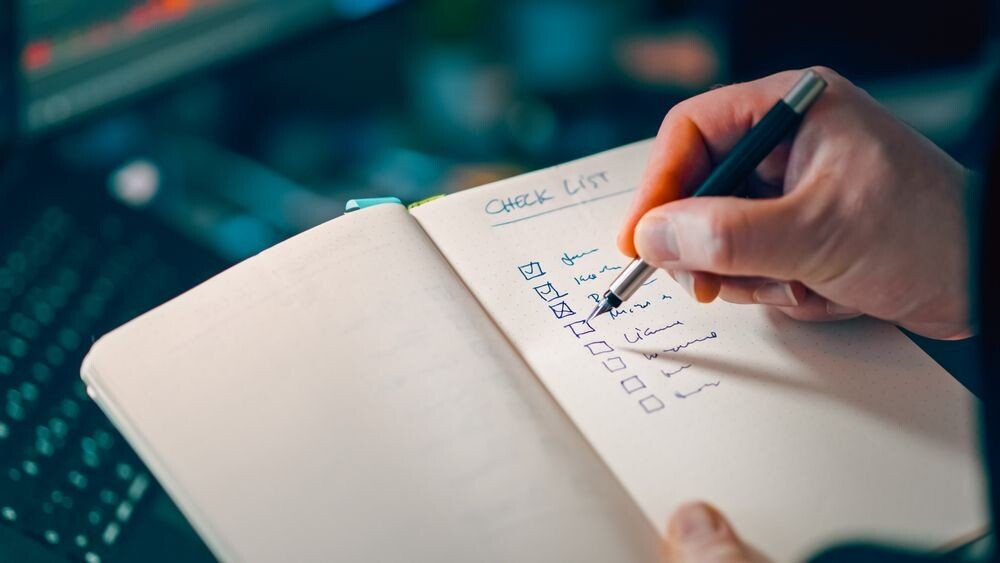
A midday check-in gives your day a second chance to feel steady. It can look like a lunch break with a phone reminder, a glass of water, and a quick look at your list.
This system helps you catch problems early, like missed tasks or low energy. It also supports better focus because you can adjust before the day gets too far along. If you like structure, use the same time each day; if your schedule shifts, use a simple trigger like finishing lunch.
Some people write one sentence about what is working and one sentence about what needs help. That tiny review can make the rest of the day smoother and more calm. A midday check-in is also a smart match for today’s trend toward gentle routines that support mental health without feeling strict.
5. Keep an Evening Closeout

An evening closeout can make tomorrow feel lighter before it even begins. Picture dim lights, a clean sink, and tomorrow’s clothes waiting in a neat pile.
This habit saves time because it removes a few morning decisions. It also feels comforting, like closing a book after a good chapter. You can personalize it by adding a short stretch, a cup of tea, or a few quiet minutes with a favorite song.
Keep the steps small so the routine stays easy to repeat. If you want to save money, use simple tools like a basket for clothes and a notebook for reminders instead of buying special organizers. The best closeout is one that feels peaceful, not perfect.
Many people like this system because it helps them sleep with less worry. A room that looks ready for tomorrow can make your mind feel ready too. It works well for families, solo adults, and shared homes alike.
6. Make a Focus Block for Deep Work

A focus block is a protected time for one important task. It can look like a clear desk, headphones on, and only one tab open on the screen.
This system is powerful because it reduces distractions and helps hard work feel less huge. It stands out from regular to-do lists because it gives your brain a clear lane to follow. Try starting with a short block and growing it only when it feels easy.
Personalize it with music, silence, or a favorite drink nearby. If you work from home, tell others your focus time so they know when not to interrupt. Cost stays low because the main tool is your attention, not fancy gear.
Current trends lean toward calm work spaces and simple digital setups, which fit this system well. A neat desk, a muted phone, and a timer can change the feel of the whole hour. Over time, these blocks can help you finish more while feeling less drained.
7. Use a Weekly Review Board

A weekly review board helps you see your life in one quick glance. Imagine sticky notes, color marks, and a wall or screen that shows what matters most.
This system is special because it turns scattered thoughts into a clear picture. It can help with money, chores, goals, and family plans all at once. You can build it with a corkboard, a whiteboard, or a simple app, so the cost can stay very small.
Try using colors for work, home, health, and fun so your week feels balanced. If you like a more personal touch, add a photo, a quote, or a small win from the week. A review board also supports newer habits like visual planning, which many people find easier than long lists.
Check the board at the same time each week so it becomes a steady rhythm. Make changes based on real life, not on perfect plans that are too hard to keep. When the board feels clear, your next steps often feel easier too.