Daily systems can make life feel lighter. Small slips can make them fail fast.
1. Building a system that looks neat but does not fit real life
A shiny planner page or a color-coded app screen can feel very exciting. But if the system does not match your true day, it will sit there like a pretty box you never open.
The best daily systems fit your home, work, and energy level in a natural way. Try a simple layout that shows only what you need, and add your own style with colors, icons, or sticky notes so it feels personal. You can also start with a low-cost notebook or a free app before buying special tools, which keeps the system easy on your wallet.
2. Trying to do too much at once
It is easy to pile on habits until the list feels huge. A crowded system can look busy, but it often turns into a mess that nobody wants to touch.
Pick a few daily actions that really matter, then make them easy to see. A clean kitchen counter, a short checklist, or a simple morning board can make the whole setup feel calm and clear. Many people now like tiny habit stacks and short routines because they are easier to keep, and they usually cost less because they do not need fancy tools.
You can make the system unique by tying each habit to a place you already use, like the coffee maker or front door. This makes the routine feel built into your day, not forced on top of it. If a step feels heavy, cut it down until it fits your time and energy.
3. Ignoring the space where the system lives
A daily system is not just a list. It is also a little scene that lives on a desk, wall, phone, or fridge, and that space matters a lot.
If the setup is hidden in a drawer, you may forget it. If it sits in a bright, tidy spot, it is easier to use and more likely to help.
Make the area feel inviting with a small tray, a basket, or a board that matches your room. A simple visual setup can save time because you do not need to search for the next step. For a fresh look, many people use wall grids, magnetic strips, and clear bins, which can be budget-friendly if you shop carefully.
Personal touches help too, like a favorite pen, a family photo, or a bold label. These small details make the system feel like yours and can make daily use more pleasant. When the space is nice to look at, the habit often feels easier to keep.
4. Making the system too strict

A rule-heavy plan can feel safe at first. Soon, one missed task can make the whole day feel broken.
Daily systems work better when they have a little room to bend. Leave space for late mornings, surprise visits, messy days, and simple rest.
Flexibility is a big benefit because real life changes often. You can use a “minimum version” for busy days and a fuller version for normal days, which keeps things moving without stress. This idea is popular right now because many people want routines that support life, not control it.
You can make the system unique by giving each task a few size options. For example, a workout can be a long walk, a short stretch, or just three minutes of movement. That kind of personal choice helps the system stay friendly instead of bossy.
5. Forgetting to make the first step easy

Big tasks often fail at the start. If the first step feels hard, your brain may avoid the whole thing.
Simple entry points can save the day. Put the notebook open on the table, set the gym clothes by the bed, or keep the lunch box ready the night before.
These small setup tricks give a fast win and help the habit begin with less effort. They also cut hidden costs, like wasted time and extra stress, because you spend less energy getting started. A clear path is often more useful than a perfect plan.
Try personalizing the first step to match your life rhythm. A night owl may prep in the evening, while an early riser may set up at dawn. The best system is the one that feels almost too easy to begin.
6. Not checking what is actually working

Some people keep using a system just because they made it. That can turn a helpful tool into dead weight on the page or screen.
Weekly check-ins can keep the system fresh and useful. Look at what gets done, what gets skipped, and what feels annoying so you can adjust it with care.
This habit can improve results because you stop guessing and start seeing patterns. A simple review sheet or quick phone note is often enough, and it costs almost nothing to keep up. Many current productivity fans like short reviews because they fit into busy schedules and prevent burnout.
You can make the review feel unique by using colors, stamps, or a tiny score card. Some people even add mood icons or time notes to see how their energy changes across the week. Small tweaks like these help the system match the real person using it.
7. Relying on too many tools and apps

A shelf full of planners and a phone packed with apps can look impressive. In real life, too many tools can scatter your focus and make daily work feel noisy.
One simple home for your tasks is often enough. A paper pad, a calendar, or one trusted app can give you a clear place to start and finish.
Keeping tools simple can also lower cost and reduce setup time. You do not need to buy the newest app or the fanciest notebook if a plain one does the job well. Right now, many people like calm tech and clean paper systems because they feel less distracting and more human.
Add your own twist by choosing a tool with a color or layout you love. If you like writing by hand, use a notebook with wide lines. If you like tapping on a screen, pick one app and clear out the rest so your daily system stays easy to see.
8. Making the system only for chores, not for real life goals
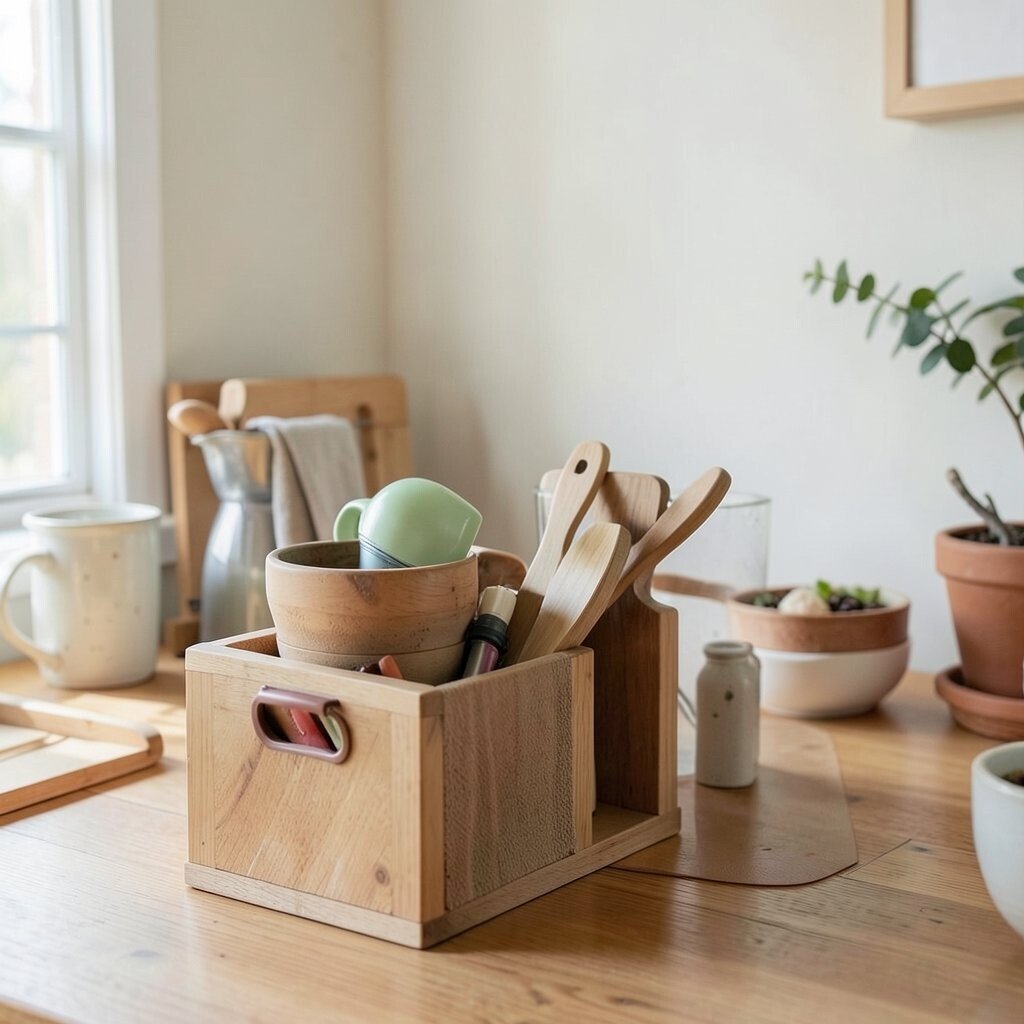
A daily system should do more than remind you to brush, clean, and pay bills. It should also support the kind of life you want to live.
When your plan includes learning, rest, family time, and creative work, it feels richer. The system becomes a helper, not just a list of jobs.
This wider view gives you better balance and a stronger sense of purpose. You might add reading time, water breaks, or a short walk to your day so the routine supports your body and mind. The cost can still stay low because many of these choices need no extra gear at all.
Personal goals make the setup feel special, so think about what matters most to you. A child might want drawing time, while a parent might want quiet coffee minutes, and both can live inside the same daily system. That kind of fit makes the plan feel alive instead of plain.
9. Leaving out rewards and small wins

Daily systems can feel dull if they only push you to do more. People often stay with a routine when it gives a little joy back.
Small wins matter because they show progress right away. A check mark, a gold star, a calm moment, or a favorite snack after a hard task can make the whole thing feel worth it.
Rewards do not need to be expensive or big. A nice pen, a fresh playlist, or five quiet minutes can be enough to celebrate a job well done. This kind of positive boost is a strong trend in habit design because it helps people stay with their routines longer.
You can make rewards feel unique by matching them to the task and the person. Maybe a hard workout gets a cold drink, while a tidy desk gets a candle or a short game break. When daily systems include a little fun, they feel more personal, more friendly, and much easier to keep using.