Good habits can look simple from far away. The trouble starts when they meet real life.
1. Starting Too Big Too Soon

Many people picture a bright new routine as a full makeover, with early alarms, long workouts, and perfect meal prep lined up like shiny blocks on a shelf. That picture can feel exciting, but it can also become heavy fast.
A smaller start often works better because it feels easier to repeat tomorrow. Try one tiny habit that fits your day, like a short walk after lunch or a glass of water before coffee, and make it yours with a time, place, or song you enjoy. This kind of start costs almost nothing, and it can still give you the calm, proud feeling that bigger plans promise.
2. Copying Someone Else Without Making It Fit

It is easy to see a neat morning routine online and think it must work for everyone. But a habit that looks polished in a video may feel awkward in your own kitchen or bedroom.
Your life has its own shape, so your habits should match your day, your energy, and your budget. If you like quiet, build a calm routine with tea, stretching, or reading; if you like action, use music, a timer, or a fast cleanup sprint. The best habit is often the one that feels like it belongs to you, not the one that looks best on a screen.
Look at what you already do well and build from there. A habit can be unique without being fancy, and that is part of its power.
3. Expecting Fast Results

Positive habits often work like seeds, not fireworks. You may not see a big change right away, but small daily actions can quietly grow into strong results.
Waiting for instant proof can make you quit too soon. A better idea is to notice tiny wins, such as more energy, a cleaner desk, or a calmer mood after a week of practice.
Keep a simple tracker on paper or on your phone so progress feels visible. That can be low cost, easy to personalize, and very helpful on days when motivation feels thin.
4. Making the Habit Too Rigid

Some habits snap in half because they are built like glass. One missed day, one late night, or one busy morning can make the whole plan feel broken.
Flexible habits are stronger because they can bend with real life. If your usual workout time disappears, switch to a short stretch, a walk, or a few stair climbs and still count the day as a win.
This kind of habit feels less stressful and more human. It also matches current trends in wellness, where gentle routines and realistic goals are getting more attention than harsh rules.
5. Forgetting to Make It Pleasant
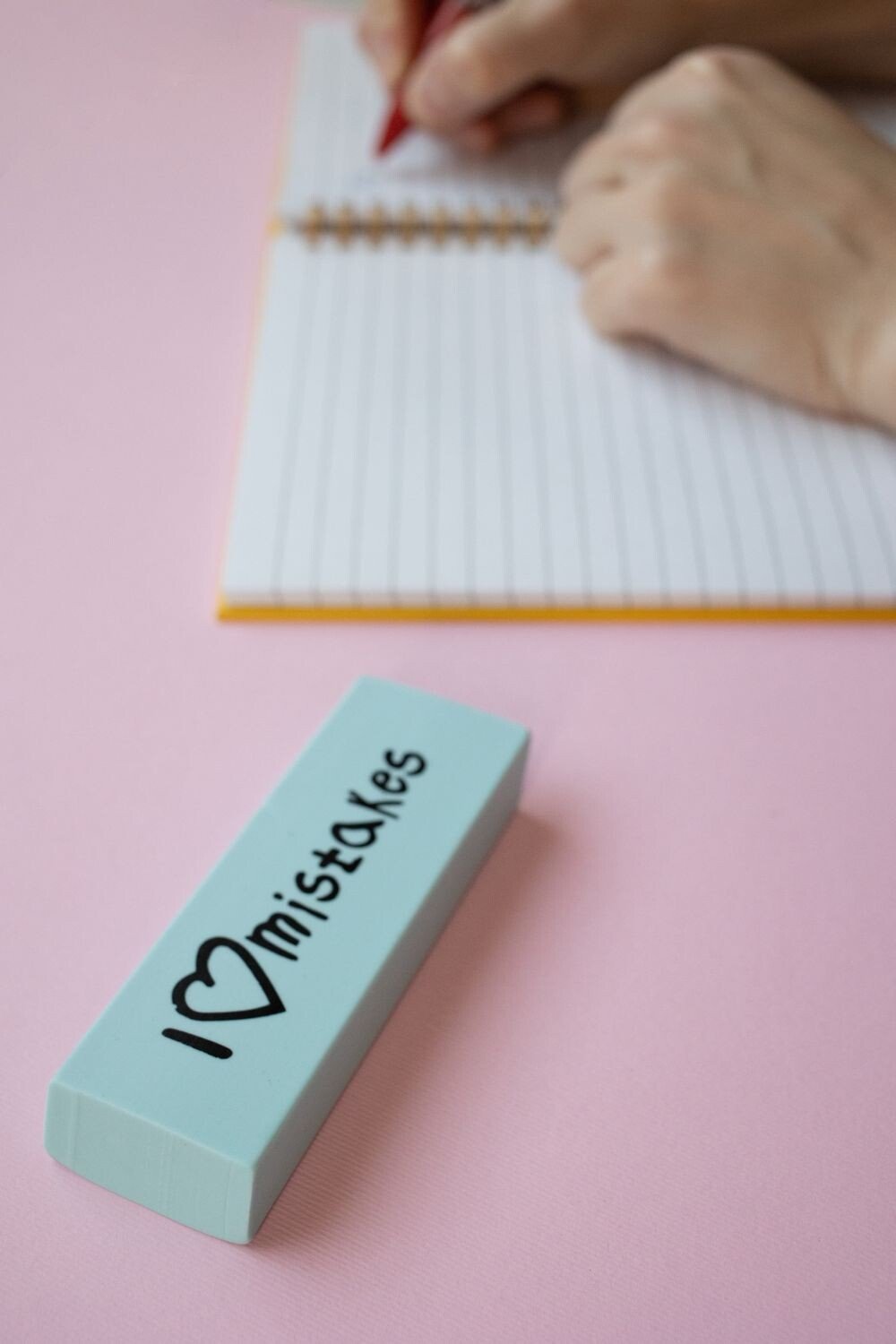
When a habit feels dull, your brain may avoid it like a cold rain. A little fun can make a big difference in how often you return to it.
Add something you enjoy, such as a favorite playlist, a scented candle, a bright notebook, or a nice cup to use only for that routine. These small details can turn an ordinary moment into a mini ritual, and they do not need to cost much at all.
Many people stick with habits longer when they feel cozy, pretty, or playful. That is why simple visual touches, like a tidy corner or a colorful checklist, can make the habit feel special and personal.
6. Trying to Change Too Many Things at Once
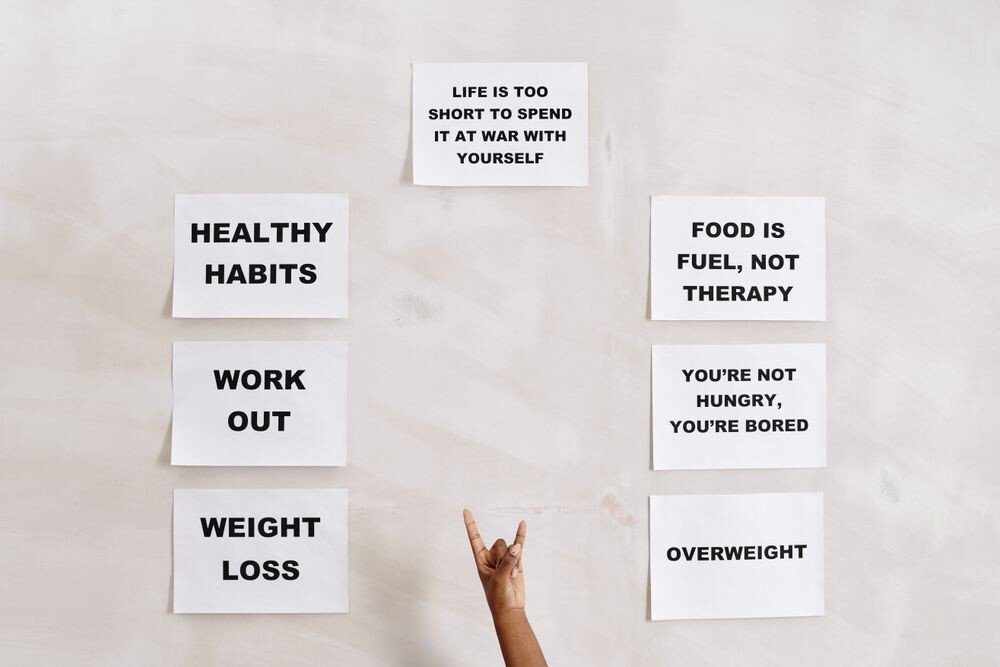
A packed habit list can look impressive, but it often leads to confusion. When every part of the day is under repair, nothing gets enough attention.
Pick one main habit and give it room to grow before adding another. If you want more movement, better sleep, and cleaner meals, start with the one that feels most useful right now and let the others wait.
This slower path can save money too, because you avoid buying lots of gear, apps, or special foods all at once. It also makes your progress easier to see, which keeps the habit from feeling like a giant puzzle.
7. Ignoring Your Environment

Your surroundings can help a habit or trip it up. A messy table, a loud room, or a phone full of alerts can make even a simple routine feel harder than it should.
Set up your space so the habit is easy to begin, like placing a water bottle on the counter, keeping shoes by the door, or leaving a book on your pillow. Little visual cues act like friendly signs that say, “This is the next step.”
Personal touches matter here too, because a space that feels good invites repeat visits. You do not need to spend much; often, moving one lamp, basket, or chair is enough to make the habit zone feel fresh and useful.
8. Using Motivation as the Only Fuel

Motivation can feel bright and strong, but it does not stay at full power all the time. On tired days, a habit needs more than a good mood to keep going.
That is why simple systems help more than wishful thinking. Put the habit on your calendar, attach it to something you already do, or keep a checklist where you can see it each day.
Current habit trends often focus on systems for this reason, because systems are steadier than feelings. A small routine can keep working even when your energy drops, which makes it a smart and low-cost choice.
9. Treating Slip-Ups Like Failure

Every habit has messy days. A missed workout, a skipped journal page, or a late bedtime does not erase all the good work before it.
The key is to return quickly without drama. Ask what got in the way, make one small fix, and restart with a lighter version of the habit if needed.
Some people keep a “reset plan” ready, such as a five-minute version of the routine for busy days. That simple backup can feel kind, personal, and practical, and it helps the habit stay alive when life gets loud.