Imagine the sizzle of a perfect stir fry or the comforting aroma of a simmering stew. A kitchen stove can be your best friend or your worst enemy. Avoid these common pitfalls to make every cooking experience a success.
1. Overcrowding the Pan

Ever thrown too many veggies in the pan and ended up with steamed instead of sautéed? This happens when the pan is too crowded. The food ends up steaming, and you lose that delightful caramelization.
Give your ingredients some breathing room. This allows for even cooking and those delicious, crispy edges. Plus, it just looks so much more appetizing!
Try cooking in batches if you have a lot to prepare. It’s worth the extra time for that mouth-watering finish. Stainless steel pans are a great investment for this, costing around $50 to $100.
2. Using the Wrong Size Burner

The burner size matters more than you think. Using a small burner for a large pot can lead to uneven heating. On the flip side, a big burner might scorch a small pan’s contents.
Make sure to match the pot size to the burner. This ensures even cooking and can save energy too. It’s a small change with a big impact!
Consider marking your stove with the most suitable pot sizes. It’s a nifty trick to keep your cooking on point. Most stove manuals have guides for this.
3. Not Preheating the Pan

Skipping the preheat stage? You might end up with food sticking to the pan. Preheating ensures an even cooking surface and better flavors.
Wait for a gentle wisp of smoke to rise before adding your ingredients. This is the sign that your pan is ready. Your food will thank you with a perfect sear!
Cast iron skillets, priced at about $20 to $60, are fantastic for preheating and holding temperature. They add a rustic charm to your kitchen too!
4. Ignoring the Importance of Ventilation

Cooking without proper ventilation can lead to a smoky kitchen and lingering odors. Plus, it can set off those pesky smoke alarms!
Always turn on your range hood or open a window. This keeps your kitchen air fresh and your cooking environment pleasant.
Invest in a good range hood for about $100 to $300. It’s a game-changer for your cooking space’s atmosphere.
5. Cooking at the Wrong Temperature

Temperature control is key. Too high, and you risk burning; too low, and your food may not cook through.
Take a moment to understand your stove’s heat settings. Experiment with different temperatures to see what works best for your favorite dishes.
Digital thermometers, available for around $10 to $30, can be handy tools in achieving the perfect cook every time.
6. Neglecting to Clean As You Go

A messy kitchen can be overwhelming and make cooking feel like a chore. Keeping it tidy helps maintain a stress-free environment.
Wipe down surfaces and wash utensils as you use them. It makes the cleanup much easier after enjoying your meal.
Reusable cleaning cloths, costing about $10 for a pack, are eco-friendly and handy for this task.
7. Misjudging Cooking Times

Timing can make or break a dish. Overcooked pasta or underdone chicken can ruin a meal.
Use a timer to keep track of cooking times. It’s a simple yet effective way to ensure everything is cooked just right.
Kitchen timers are affordable, starting at $5. They bring precision to your cooking routine.
8. Using the Wrong Type of Oil

Not all oils are created equal. Some have higher smoke points, making them better for high-heat cooking.
Olive oil is great for low to medium heat, while canola or peanut oil is perfect for high-heat frying.
Stock up on a variety of oils, usually under $10 each, to expand your cooking repertoire and enhance flavors.
9. Forgetting to Adjust for Altitude

If you live in a high-altitude area, you might notice your recipes don’t turn out quite right. Water boils at a lower temperature, affecting cooking times.
Adjust temperatures and times according to your altitude for best results. A bit of research goes a long way!
Online altitude cooking guides are free and a fantastic resource for this adjustment.
10. Not Tasting as You Cook

Cooking without tasting is like painting blindfolded. You might miss out on balancing flavors just right.
Keep a spoon handy and taste throughout the cooking process. Adjust seasonings as needed to achieve perfection.
Wooden tasting spoons are both stylish and functional, costing around $5 each.
11. Overlooking the Power of Herbs and Spices

Herbs and spices are the heart of flavor in cooking. Ignoring them can lead to bland dishes.
Keep a variety of dried and fresh herbs on hand. Experiment to find new flavor combinations that excite your palate.
Herb gardens can be a delightful and cost-effective way to ensure fresh flavors year-round. Kits start at about $20.
12. Using the Wrong Cookware Material
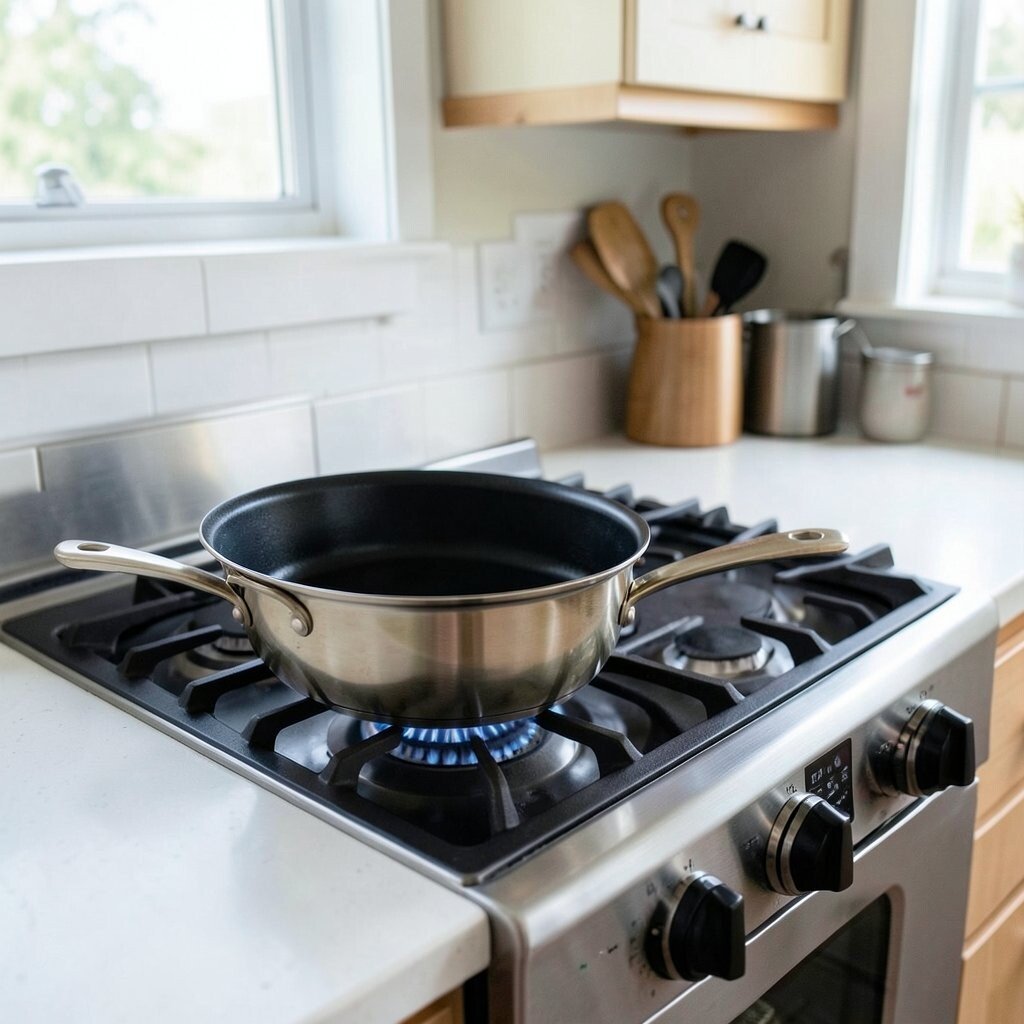
Different materials conduct heat differently, affecting cooking results. Nonstick, stainless steel, and cast iron all have their place.
Choose the right material for the dish you’re preparing. Nonstick is great for eggs, while cast iron excels in high-heat applications.
A good set of mixed materials can be an investment, starting at $100. They offer versatility and improved cooking outcomes.
13. Failing to Let Meat Rest

Cutting into meat right after cooking can cause juices to run out, leaving it dry. Resting allows juices to redistribute.
Let meat rest for a few minutes before slicing. It makes a big difference in tenderness and juiciness.
Meat resting guidelines are easily found online and offer insights into perfect timing.
14. Misunderstanding Recipe Instructions

Skipping over recipe details can lead to unexpected results. Every step often has a purpose.
Read recipes thoroughly before starting. It helps in understanding the process and anticipating any tricky steps.
Recipe sites and cookbooks often offer clarifications and tips that enhance understanding.
15. Not Taking Advantage of Leftovers
Leftovers aren’t just yesterday’s meal; they’re a chance to get creative! Ignoring them is missing out on easy, delicious meals.
Transform leftovers into new dishes. A bit of reheating and seasoning can work wonders.
Invest in quality storage containers, priced around $20, to keep leftovers fresh and ready for a second life.