There’s something magical about the right trim molding—it’s like a little frame for your everyday life. It can make plain walls feel dressed up, and it can pull a room together in a way you can actually see. Once you start noticing trim, you’ll want to look at every corner like it’s a style moment.
-
1) Picture-Perfect Wall Paneling
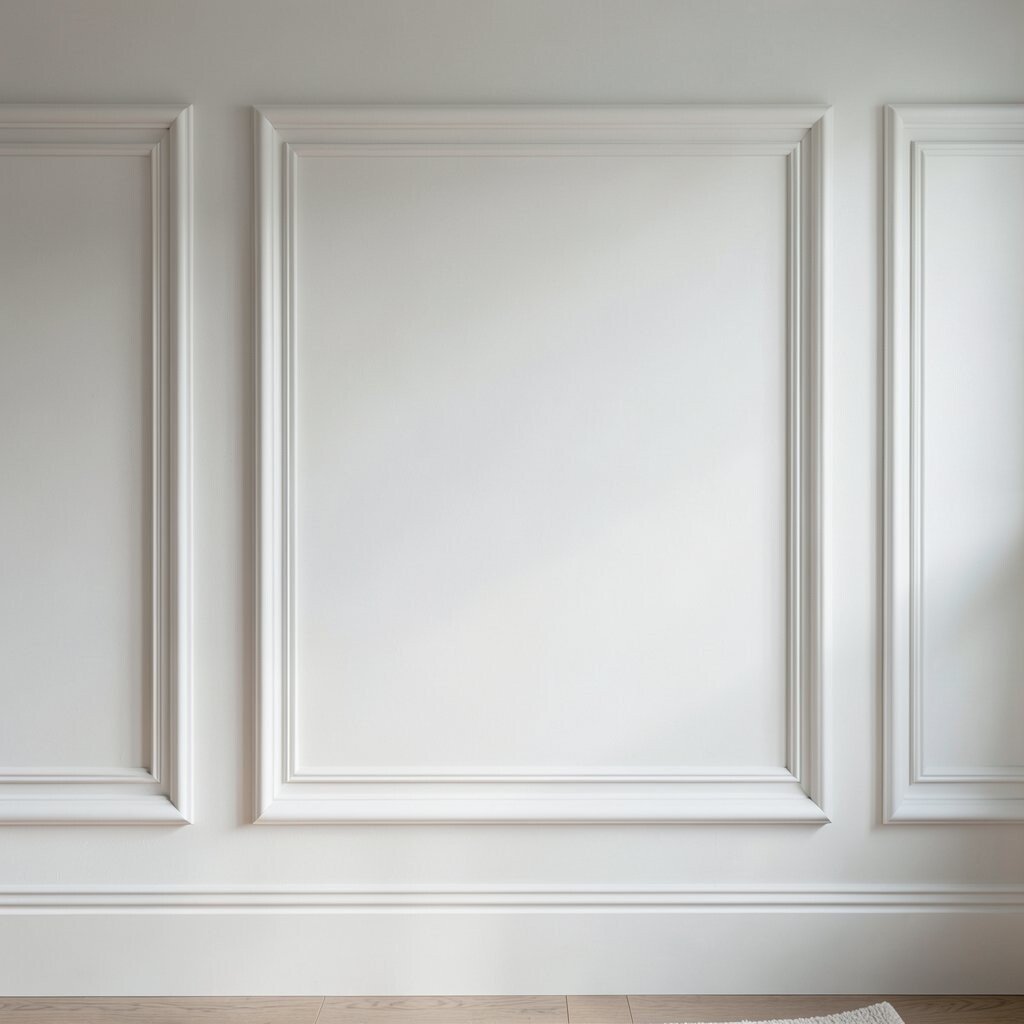
) Picture-Perfect Wall Paneling Use simple trim strips to make small “panels” on a living room wall. Think tidy squares or gentle rectangles, like the back of a nice photo frame.
The benefit is a more “finished” look without needing big furniture changes. It also hides small wall flaws because the lines draw attention in the best way.
Uniqueness comes from spacing: tight lines feel modern, wider spaces feel classic. Tip: start with a pencil grid on the wall so your panels look even, and paint the trim the same color as the wall for a soft, custom vibe. Trend-wise, paneling in warm neutrals is popping right now, and you can personalize by adding one thicker “feature” center panel. Cost can be budget-friendly if you use standard MDF or pine trim, and it gets higher only if you go for fancy profiles.
-
2) Crown Molding That Feels Like a Ceiling Hug

) Crown Molding That Feels Like a Ceiling Hug Crown molding sits at the top of your wall and makes the ceiling look taller. Choose a profile that matches your home: clean and sleek for modern, richer and curvier for traditional.
This idea brings instant elegance with very little “busy” look. It also creates a smooth visual line that makes rooms feel calmer.
For uniqueness, mix matte paint on the trim with a softer sheen on the ceiling for a subtle contrast. Tip: measure twice and use corner blocks if your corners are tricky. Personalization tip: add a thin accent line inside the crown for a “double-layer” feel. Current trend favorites include painted crown molding in soft whites and warm creams, and cost usually stays mid-range because it’s mostly straight runs.
-
3) Wainscoting Without the Heavy Feeling
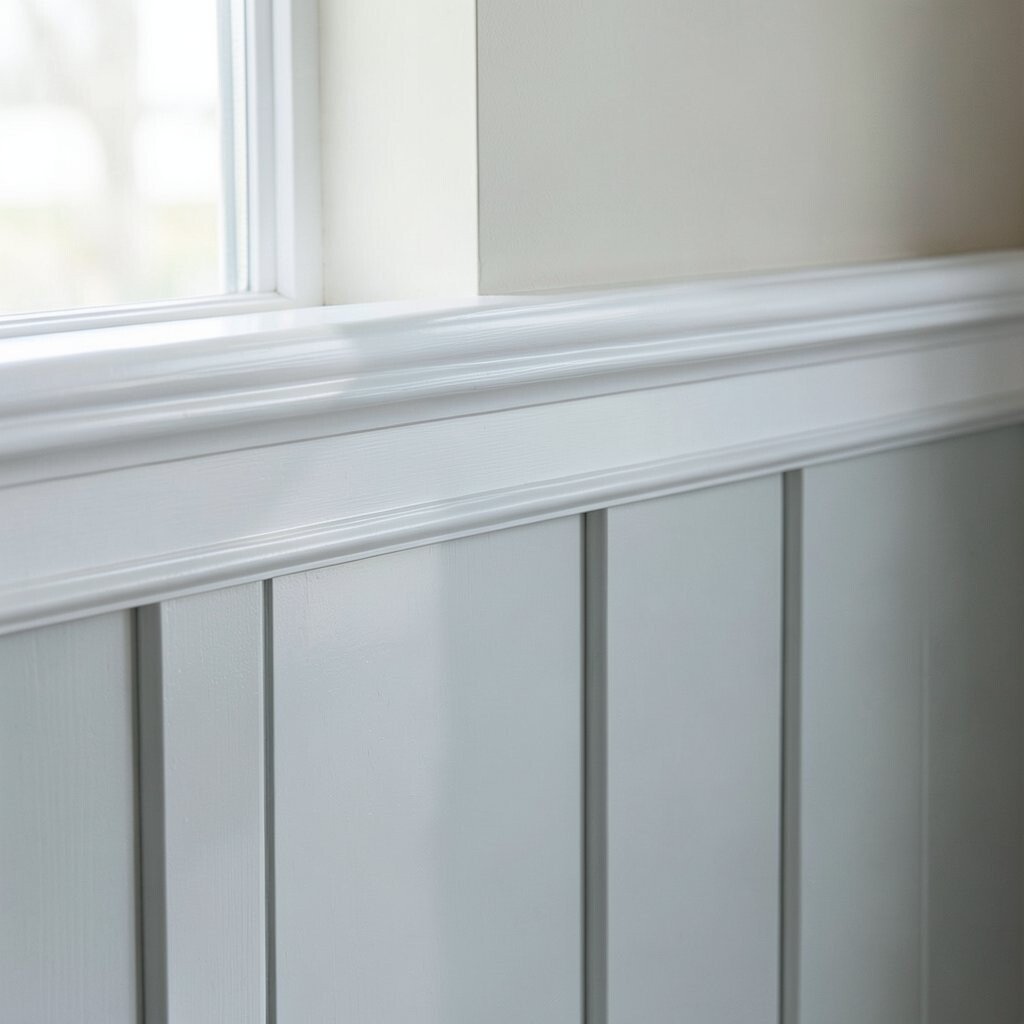
) Wainscoting Without the Heavy Feeling Wainscoting is trim at the lower half of a wall that adds structure. Keep it light by using a simple chair-rail style top line with panels or bead accents below.
Benefits include easier cleaning and a cozy, “put-together” style. It also helps any room feel organized, even when life is busy.
Uniqueness comes from height: higher wainscoting makes a room feel taller, while lower wainscoting feels more classic. Tip: use painter’s tape to mark your line before installing the chair rail. Personalize with a color that matches your curtains or pillows—like a muted green or creamy blue. Trends are leaning toward painted wainscoting in soft, modern tones instead of only traditional white. Cost is often reasonable, and you can save money by using fewer panels.
-
4) Simple Baseboard Boosters
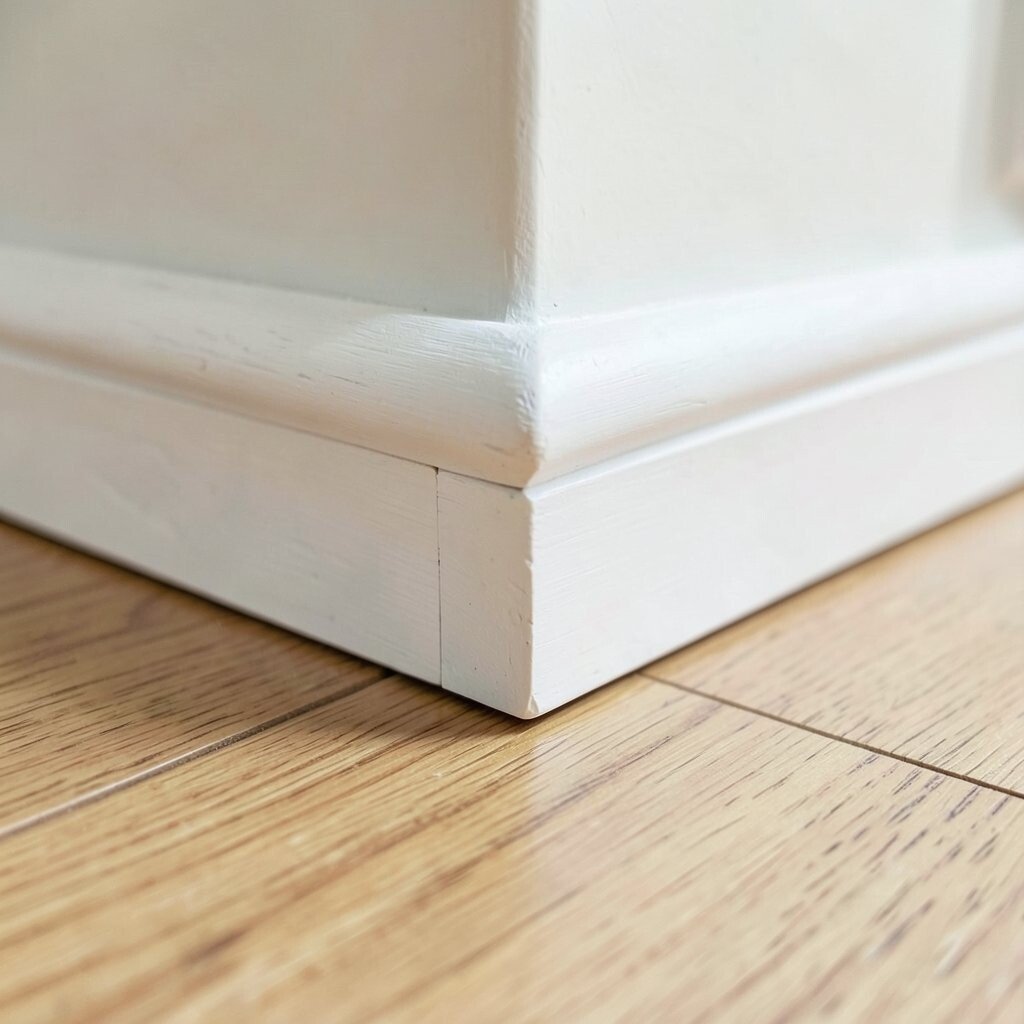
) Simple Baseboard Boosters Upgrading your baseboards is one of those “small change, big look” moves. Add wider trim or a taller profile to make floors and walls connect more smoothly.
This benefit is huge: the room looks more custom, even if you do no other updates. It also makes the edges feel neat and prevents the “unfinished” look.
Uniqueness is in the finish. Try painting baseboards a crisp white against warm walls or matching them to the wall color for a clean, designer feel. Tip: caulk the edges for a smooth line, and fill any nail holes right away. Personalization can be as easy as adding a small “casing” line above the baseboard for extra definition. Trend right now includes taller, thicker baseboards in modern homes. Cost can vary, but replacing baseboards usually stays within a mid-range budget compared to full wall treatments.
-
5) Statement Door Surround Frames
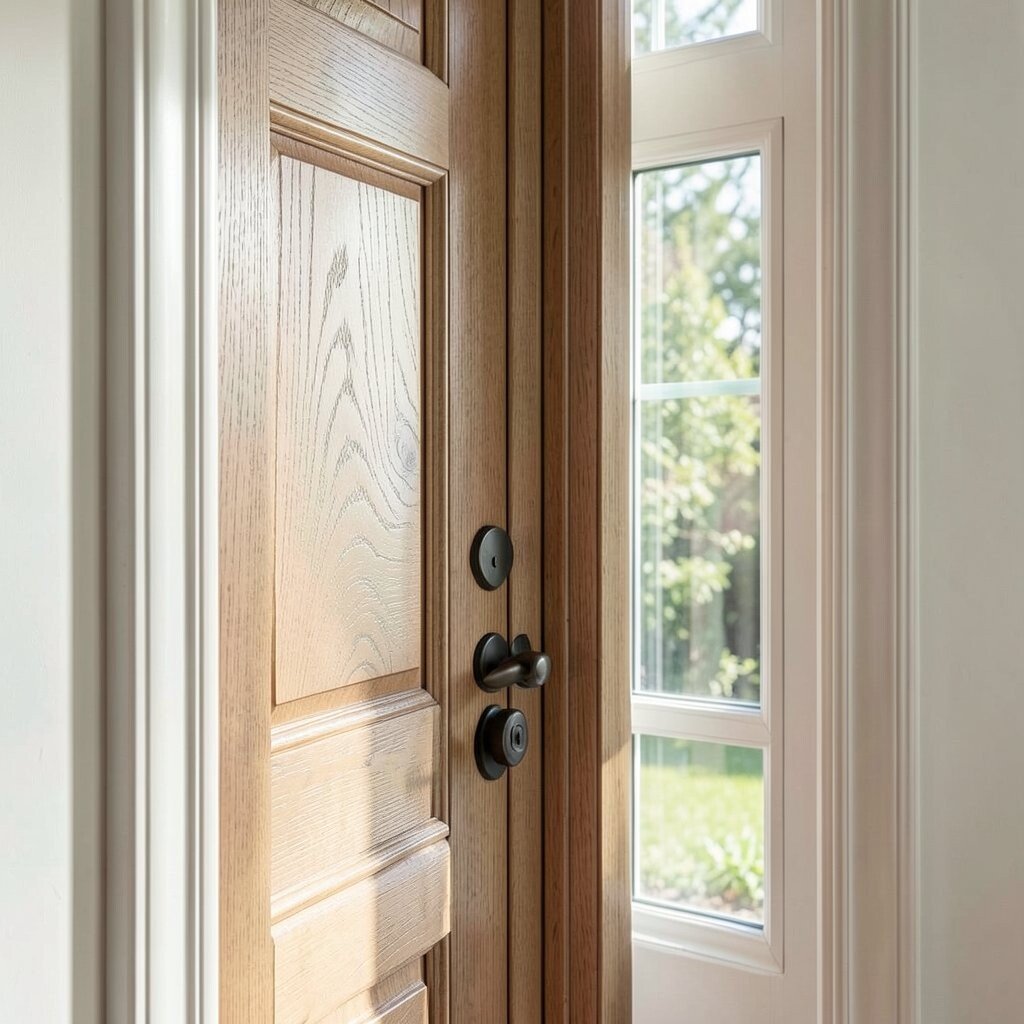
) Statement Door Surround Frames Give each doorway a mini frame using trim molding. Add a casing around the door and maybe a small top “cap” for a classy look.
Benefits: doorways look more intentional, and it helps your home feel pulled together from room to room. It also makes your door hardware and paint colors look extra sharp.
To make it unique, keep the inner border thin and the outer border slightly thicker. Tip: align the corners carefully, and use a level so the frame looks straight. Personalize by using a contrast color like deep navy, rich black, or a soft sage. This is trending because it adds style without turning the whole house into a construction project. Cost is usually manageable because you’re working on one area per door.
-
6) Cozy Chair Rails With Playful Panel Squares

) Cozy Chair Rails With Playful Panel Squares Install a chair rail and then add smaller trim squares or rectangles under it. This gives a “cottage blueprint” feel without going overboard.
Benefits include a smart way to add interest to blank walls. It also guides the eye, which can make rooms look balanced.
Uniqueness comes from your shape choices: rectangles feel modern, squares feel classic, and angled designs feel bold. Tip: keep your grid consistent, and paint the panels a gentle shade lighter or darker than the trim. Personalize with a color that matches your art gallery wall or rug. Trends show people loving soft pastel panels paired with clean trim lines. Cost is usually friendly because you can use shorter pieces of trim and keep the sections small.
-
7) Floating Mantel-Like Wall Trim
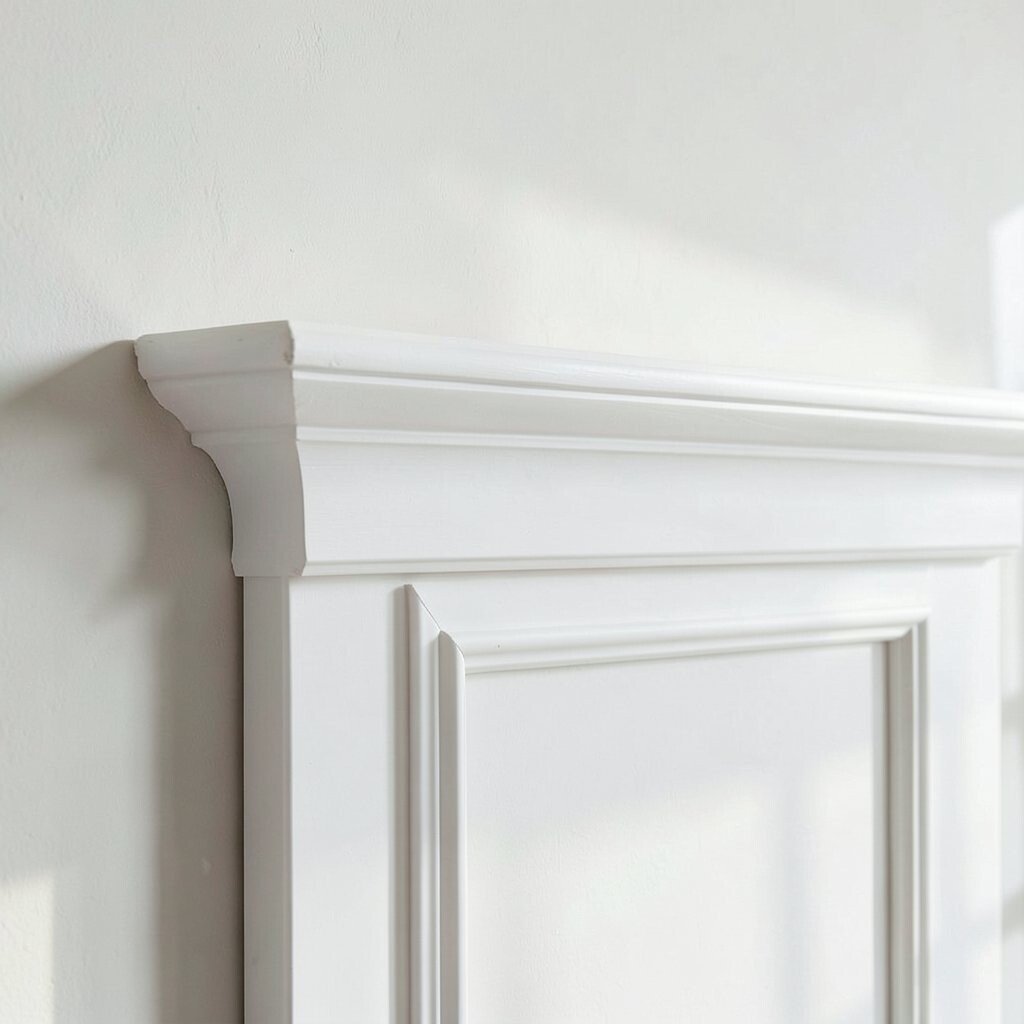
) Floating Mantel-Like Wall Trim You can create a mantel vibe even if you don’t have a fireplace. Build a trim “ledge” above a console, TV, or empty wall space and add a simple shelf-style trim outline.
This benefits your space by giving your decor a home base. It also makes styling easier because your plants, frames, or candles look extra intentional.
Uniqueness happens when you mix angles—try a slightly arched top piece or layered trim edges. Tip: leave room for your decor’s height so it doesn’t feel cramped. Personalize by painting the trim in a color that matches your favorite accent, like terracotta or olive. Trend-wise, people love built-looking styling with layered trim because it feels custom. Cost depends on how much shelving you add, but sticking to trim frames usually keeps it affordable.
-
8) Gallery Wall Frames for Photos and Art

) Gallery Wall Frames for Photos and Art Create a grid of thin trim around your gallery wall instead of using only picture frames. The trim becomes the “art display,” and your photos look like they belong in a showroom.
Benefits: your wall looks tidy, and your art spacing stays consistent even if you switch frames later. It also makes the wall feel like one big design, not many separate pieces.
Uniqueness: use one thicker center border for a focal point, like a single large frame. Tip: measure your art or leave adjustable space so swapping items is easy. Personalize by choosing a trim color that matches your frame color or your room’s undertone. Trends include warm wood trim accents with modern matte frames. Cost can be low to mid-range because the trim can be slender and you’re only covering one wall section.
-
9) Vertical Accent Strips for Taller Walls

) Vertical Accent Strips for Taller Walls Add vertical trim strips on one wall to create a stripe effect. Keep the spacing even so the wall feels clean, not cluttered.
Benefits: vertical lines can make a room feel taller and more stretched. It also works great in rooms with plain walls because it adds style without taking over.
Uniqueness: try mixing widths—thin strips with one slightly wider center strip. Tip: use a laser level or a long straight edge for accuracy. Personalize by painting the strips the same color as trim elsewhere in the home for a “family style” look. Trends are leaning toward simple vertical accents in Scandinavian and modern homes. Cost usually stays on the lower side if you choose a few strips and focus on one wall.
-
10) Horizontal “Z” Accent Trim Lines

) Horizontal “Z” Accent Trim Lines Try horizontal trim lines that create a subtle “Z” or layered staircase look on one wall. You can use two or three rows to make a graphic, fashion-like pattern.
This benefits you because it adds movement to the room without needing bold wallpaper. It’s also great for making blank areas near seating feel more styled.
Uniqueness: keep one line slightly thicker for a custom designer feel. Tip: plan the pattern based on where your furniture sits so the lines line up with shelves or art. Personalize by using color: matte white trim on a gray wall looks crisp, and soft black trim looks bold. Trends include architectural line designs that look great with modern furniture. Cost can be mid-range depending on how long the lines are, but you can keep it reasonable by doing one featured wall.
-
11) Built-In Look for Shelves and Nooks

) Built-In Look for Shelves and Nooks Even if you don’t have built-in shelves, you can make one look that way. Frame a small shelf nook with trim molding so it looks like it was always part of the wall.
Benefits: it makes your storage feel decorative and neat. Your books, baskets, and plants will look like a curated display instead of random items.
Uniqueness: add a small “shelf lip” trim piece under the top border. Tip: paint the inside edges too, so everything looks finished. Personalize by matching the trim to your cabinets or furniture legs for a cohesive style. Trends show “fake built-ins” are popular because they add structure without big renovations. Cost varies by how many shelves you frame, but trim framing is usually cheaper than custom cabinetry.
-
12) Arched Trim Frames for a Soft, Elegant Feel
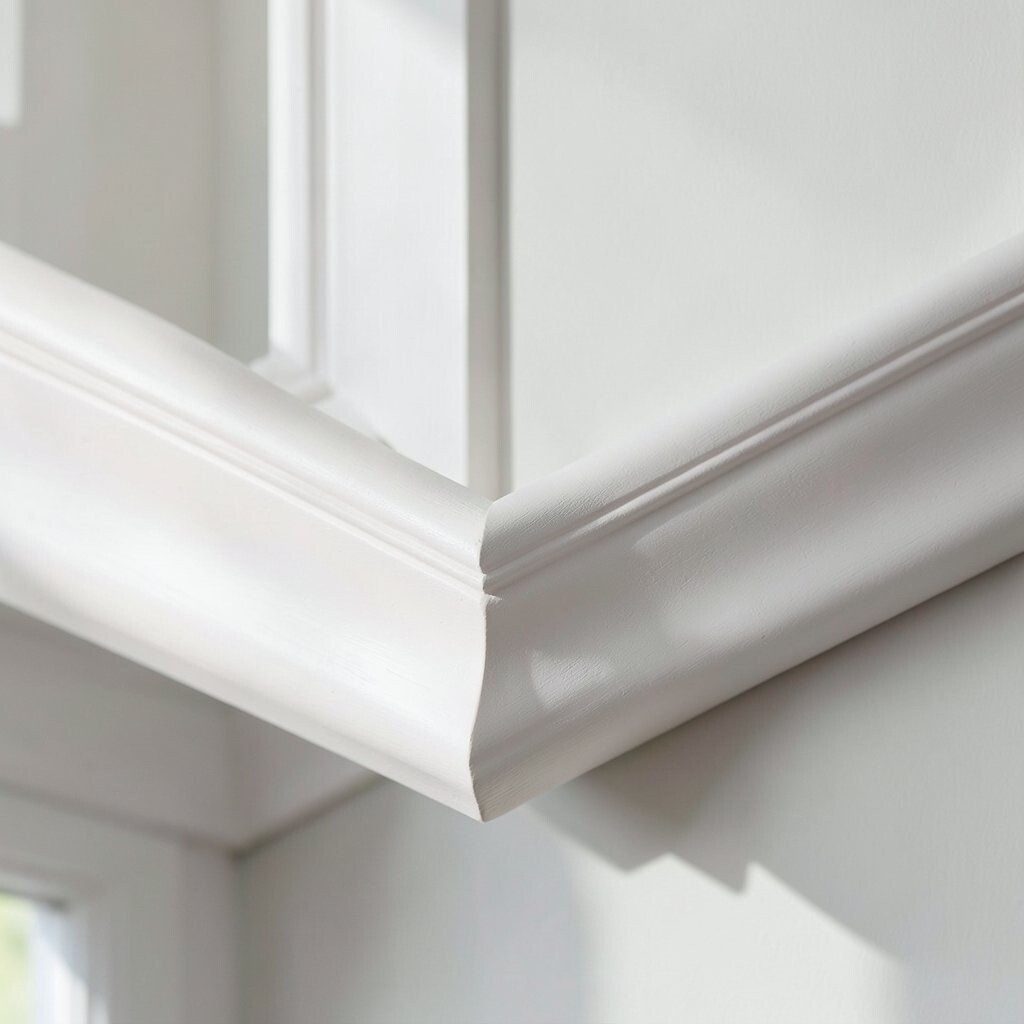
) Arched Trim Frames for a Soft, Elegant Feel Add arched trim around a window, mirror, or small wall opening. Use flexible trim or pre-made curved molding pieces for smooth arcs.
Benefits: arches soften the room and make corners feel more gentle. They also add a “fancy but not too much” vibe that works in many styles.
Uniqueness comes from mixing arch sizes—small arches for a delicate look, larger arches for drama. Tip: use cardboard templates to get the curve right before installing. Personalize by pairing arch trim with warm lighting, like a soft lamp glow. Trend-wise, curved lines are having a moment again because they feel cozy and classy. Cost is often mid-range because curved pieces can cost a bit more, but it’s worth it for the special look.
-
13) Decorative Corners With Crisp Corner Blocks
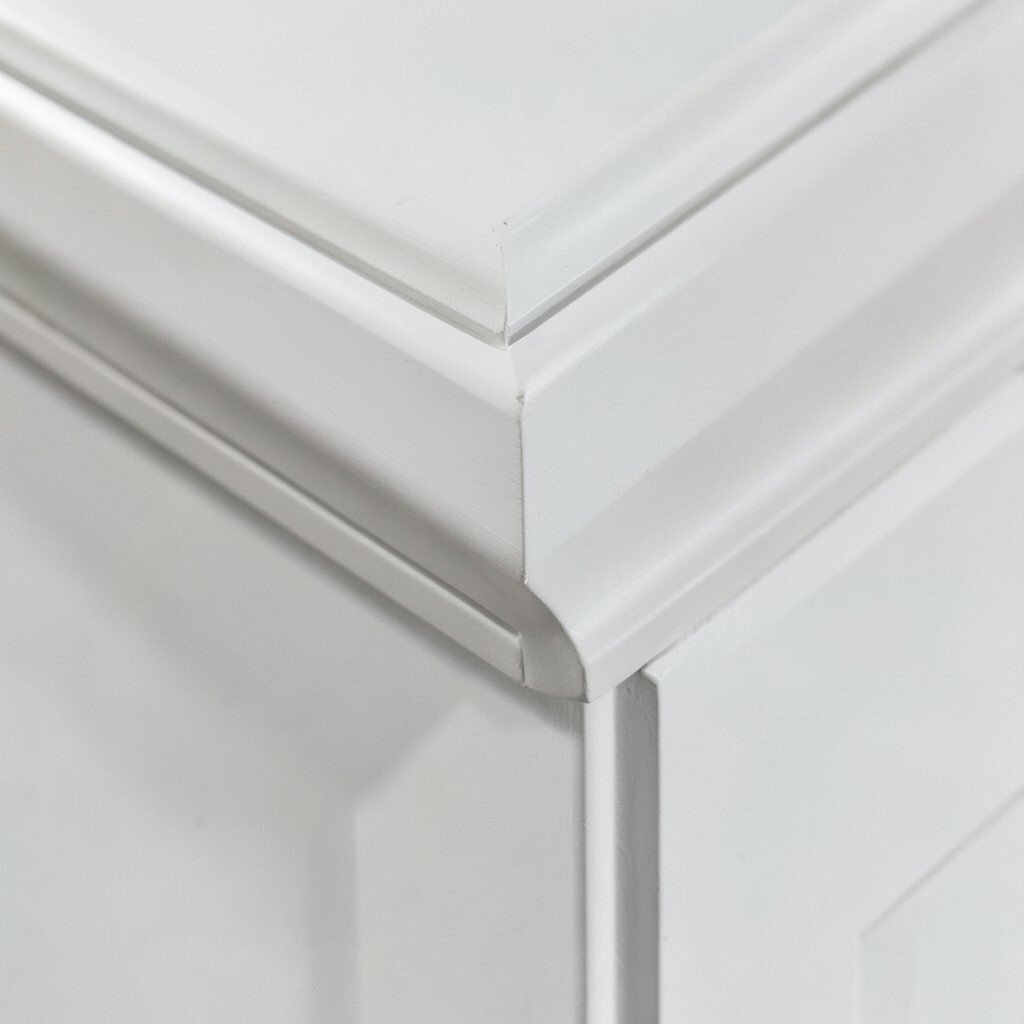
) Decorative Corners With Crisp Corner Blocks Corner blocks and trim details can make simple walls look like high-end styling. Add corner accents where trim meets, like around a frame or along panel borders.
Benefits: your lines look sharper and your edges look professionally finished. It also hides small gaps that can happen during installation.
Uniqueness: choose corner block designs that match your style—simple for modern, detailed for classic. Tip: keep one style of block and repeat it so it feels intentional. Personalize by painting corner blocks in a slightly different shade for a subtle “spotlight.” Trends include clean, geometric corner details because they look crisp on social media and in real life. Cost can be a little higher than basic straight trim, but corner blocks use fewer pieces so the total stays reasonable.
-
14) Coffered Ceiling Squares (A Lite Version)
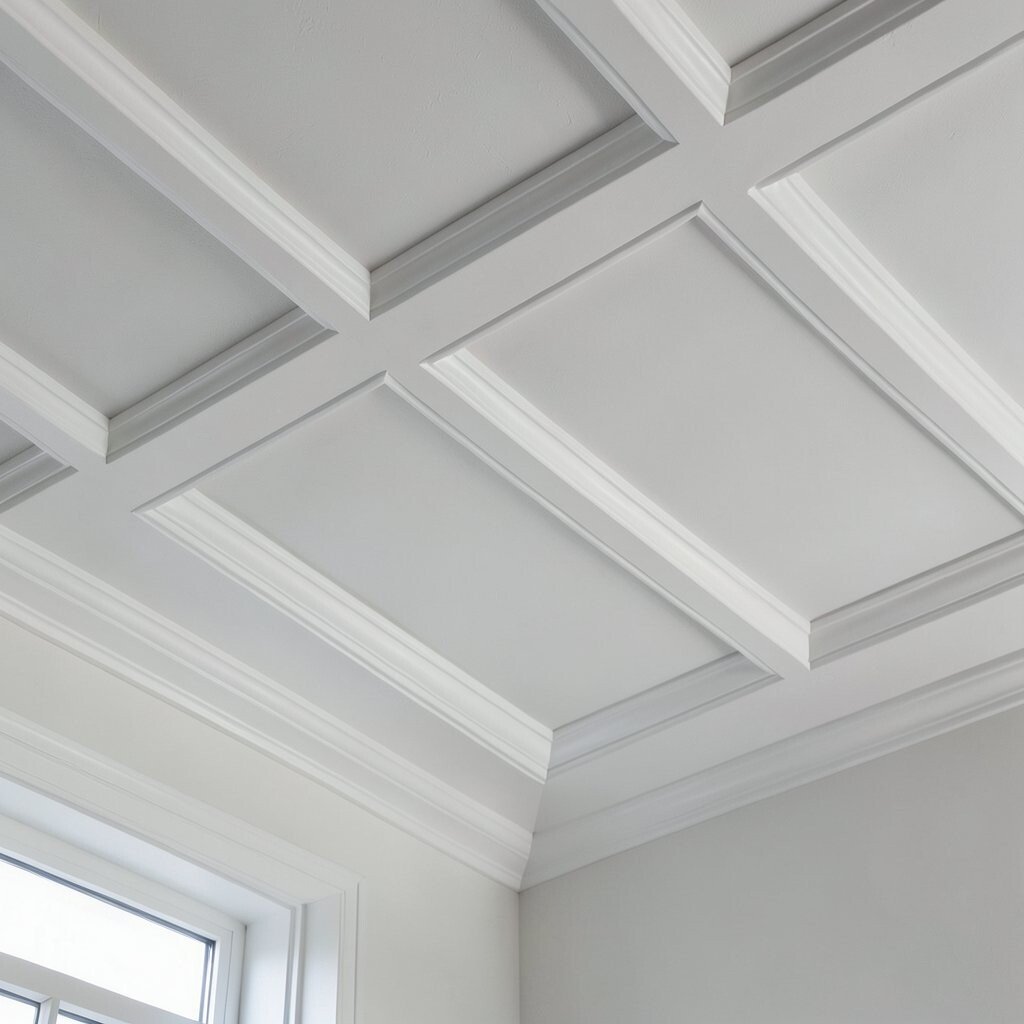
) Coffered Ceiling Squares (A Lite Version) Coffered ceilings look like little square “homes” for light and shade. You can do a lite version by adding trim squares in a grid without making it too deep.
Benefits: your ceiling stops being “just a ceiling” and becomes part of the decor. The shadows from the trim make the space feel more elegant, even if your furniture stays simple.
Uniqueness comes from where you place your bigger squares—centered for a grand look, or offset for a more playful style. Tip: plan carefully with measurements, and consider using a laser level for straight lines. Personalize with paint: white trim on a warm beige ceiling looks airy, while darker trim adds bold contrast. Trends are leaning toward lighter, not too heavy, coffered designs for modern homes. Cost can be higher because ceilings require more planning and materials, but a lite version keeps it more manageable.
-
15) Mix-and-Match Trim Finishes for Designer Contrast

) Mix-and-Match Trim Finishes for Designer Contrast One of the most fun ideas is mixing trim colors and finishes. For example, paint trim in a matte finish while keeping doors in a satin finish, or do white trim with a wood accent stripe.
This benefits your room because it adds depth and style, kind of like outfit layers. It also makes your trim feel intentional, not like an afterthought.
Uniqueness comes from choosing contrast rules: one trim color repeats across baseboards, door frames, and picture frames. Tip: always prime first, then test a small patch of paint so you see how it looks in your lighting. Personalize by matching the trim to your favorite metal tones—brass handles, black frames, or silver fixtures. Trends include “mixed metals” and mixed finishes, and this trim idea fits right in. Cost can stay mid-range because you’re mostly paying for paint and supplies, but it can rise if you add special wood pieces or premium finishes.